
Origins and History of the Institution
The National Museum in Warsaw began its existence on 20 May 1862. At its inception, the institution operated as the Museum of Fine Arts, Warsaw. It functioned as a repository for the region's artistic developments until it was renamed the National Museum in 1916. This period of growth established the foundation for a collection that would eventually span millennia, from ancient civilizations to modern expressions.
The history of the institution is marked by profound loss. During the invasion of Poland in September 1939, the Gestapo looted the collections. This systematic theft resulted in a void that remains partially unfilled; more than 5,000 artifacts remain missing to this day. The absence of these objects serves as a quiet, persistent reminder of the upheaval that shaped the mid-twentieth century. Despite these losses, the institution continues to hold significant works, including:
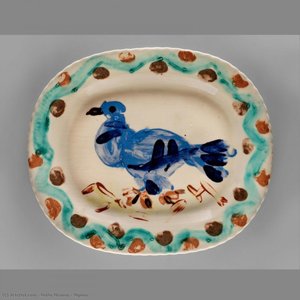
- Pigeon, 1948 - Pablo Picasso
- Man in Golden Helmet (Mars), 1657 - Ferdinand Bol
- Smokers in an Inn, 1630 - Adriaen Brouwer
The Building and its Modernist Architecture
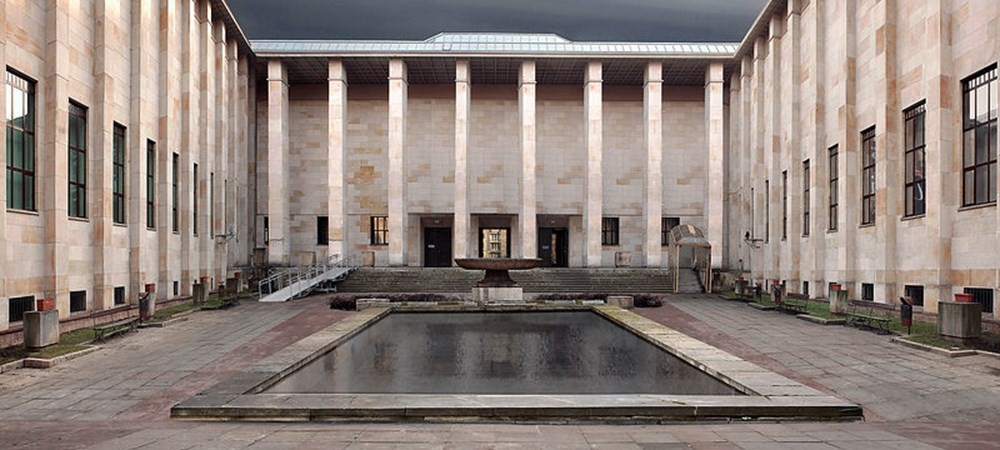
Situated on Jerusalem Avenue, the museum occupies a modernist edifice that defines the architectural character of its surroundings. The structure was conceived by Tadeusz Tolwiński and emerged from a period of construction spanning from 1927 to 1938. Its presence on the edge of Na Książęcem Park provides a sense of spatial openness, allowing the building to interact with the greenery of the parkland. The design emphasizes a sense of progress, utilizing expansive windows that allow natural light to penetrate the interior galleries.
The architecture reflects the interwar golden age, characterized by soaring ceilings and a layout that prioritizes clarity and light. This modernist approach creates a specific atmosphere for the objects held within, where the physical space becomes a quiet companion to the art. The building's form is a deliberate departure from older styles, favoring the clean lines and functionalism associated with early twentieth-century modernism. It remains a significant presence in Warsaw, its walls holding the weight of history through both its construction and its survival.
Ancient Art and Classical Collections
The collection of ancient art comprises approximately 11,000 objects. These pieces offer a direct encounter with the aesthetics of Egypt, Greece, and Rome. The presence of these artifacts allows for a quiet study of the forms that established the foundations of Western visual language. Each object carries the weight of its own era, existing as a physical remnant of distant civilizations.
Beyond the classical Mediterranean traditions, the museum houses a dedicated department of oriental art. This department contains the largest collection of Chinese art in Poland, which includes some 5,000 objects. The scale of this assembly provides a significant perspective on Eastern artistic development and material culture. The arrangement of these works allows for a comparison between the Mediterranean and the Far East within a single institution.
Polish Painting and European Masterpieces
The galleries dedicated to Polish painting offer a continuous narrative stretching back to the 16th century. Within these spaces, Jan Matejko’s monumental oil painting, The Battle of Grunwald, completed in 1878, commands the room. The scale of the work demands a certain stillness from those standing before it. It remains a central presence in the collection, anchoring the historical weight of the national narrative through its sheer physical and compositional gravity.
Beyond the Polish tradition, the museum houses a significant selection of foreign works that connect Warsaw to the broader currents of European art. These include paintings from Italy, France, Flanders, the Netherlands, Germany, and Russia. The presence of Rembrandt within these halls allows for a direct encounter with the Dutch Golden Age, placing Polish artistic development in dialogue with the technical achievements of Western Europe. The collection reflects a long-standing engagement with diverse stylistic movements and regional traditions.
- The Battle of Grunwald, 1878 - Jan Matejko
- Pigeon, 1948 - Pablo Picasso
- Man in Golden Helmet (Mars), about 1657 - Ferdinand Bol
- Smokers in an Inn, 1630 - Adriaen Brouwer
Nubian Christian Art and the Faras Gallery
The Faras Gallery contains Europe's largest collection of Nubian Christian art. These pieces were recovered by Polish archaeologists from the Christian cathedral at Faras in Sudan. The presence of these works offers a specific window into the medieval kingdoms of Ethiopia, Sudan, and Eritrea, where artistic traditions emerged from the intersection of Christianity and African culture.
Illuminated manuscripts within the collection feature vivid pigments and intricate geometric patterns. These objects reflect the spiritual fervor of monastic communities that sought to preserve their faith. The gallery also houses frescoes depicting biblical scenes and portraits of saints, showing stylistic influences from both Byzantine and Arab art. At the center of this assembly, a monumental iconostasis—a gilded altar screen—embodies the solemnity of Nubian Orthodox piety.
Recent Projects and Digital Accessibility
The institution continues to adapt to the modern era through a focus on digital accessibility. The creation of Digital NMW provides a comprehensive online collection, allowing the treasures of the museum to be examined from any location. This digital presence ensures that the art remains accessible even when the physical galleries are undergoing refurbishment. Such efforts to integrate technology help maintain the museum's relevance in a changing landscape.
As of 2025, the National Museum in Warsaw is the 47th most-visited art museum in the world. This high level of engagement is sustained by ongoing updates to the presentation of its collections. The current refurbishment of galleries aims to present the works in a modern and friendly setting, ensuring that the experience of standing before these objects remains profound. The institution remains a living entity, constantly refining how it preserves and presents its vast holdings to a global audience.