


Introduction
Imagine standing on the banks of the River Stour at dawn, watching the mist dance across the water as the first light of morning catches the ripples of a quiet stream. There is a profound, rhythmic peace in such a moment, a sense that the earth is breathing. This is the world of John Constable, a master who didn't just paint landscapes, but captured the very soul of the English countryside. To look at his work is to feel the dampness of the soil, the sudden rush of a summer breeze through willow trees, and the eternal, shifting dance of the clouds above a pastoral paradise.
Born in 1776 in the village of East Bergholt, Constable’s life was deeply intertwined with the rhythms of the water and the land. As the son of a prosperous corn merchant, his childhood was shaped by the movement of rivers and the industrious life of the Stour Valley. This wasn't just scenery to him; it was home. While his contemporaries often sought the grand, idealized landscapes of classical mythology, Constable turned his gaze toward the honest, unvarnished beauty of the everyday. He found majesty in a watermill, poetry in a hay wain, and a divine light in the simple, shifting weather of the Dedham Vale.
Today, Constable’s legacy remains as vibrant as the colors he layered onto his canvases. His ability to translate the fleeting textures of nature—the shimmer of light on a wet meadow or the heavy, textured clouds of a brewing storm—has made his work timeless. He was a pioneer of emotional realism, teaching us that there is profound beauty in the familiar and the local. His influence can be felt in every artist who seeks to capture the atmosphere of a place rather than just its shape.
In this curated journey, we invite you to wander through the most evocative chapters of his career. From his intimate studies of the Suffolk landscape to his sweeping, atmospheric masterpieces, we have selected 25 essential works that define his genius. Whether you are a seasoned collector or a newcomer discovering the joy of art for the first time, these paintings offer a window into a world of light, water, and enduring tranquility. Let us step into the light of the Stour Valley together.
The Hay Wain - John Constable
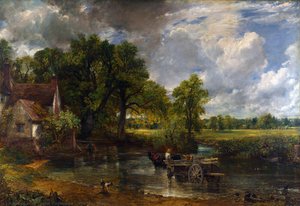 The Hay Wain - John Constable
In The Hay Wain, John Constable achieves a breathtaking mastery of light that captures the very soul of the English countryside. The scene is defined by a dramatic interplay of chiaroscuro, where sunlight breaks through turbulent, heavy clouds to illuminate the tranquil waters of the River Stour. This sophisticated command of illumination—the way light dances upon the rippling surface and catches the textures of the rustic cart—is precisely what secured this masterpiece's place among the top 25 artworks of John Constable. It is a quintessential vision of Romanticism, moving beyond mere scenery to evoke a profound, nostalgic connection to the natural world.
For the modern collector, a faithful reproduction of this work brings an unparalleled sense of depth and luxury to a living space. The rich, celadon tones and the expressive, impasto-style brushwork create a window into a serene, pastoral era. Whether you are looking to anchor a room with a sense of history or add a touch of tranquil elegance, this iconic landscape offers a timeless aesthetic that transforms any contemporary wall into a curated gallery space.
Salisbury cathedral - John Constable
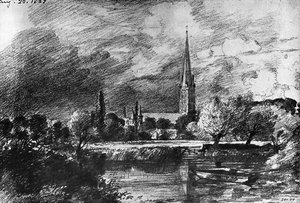 Salisbury cathedral - John Constable
In this evocative monochromatic sketch, John Constable captures the soaring majesty of medieval architecture through a lens of profound serenity. This work earns its place among the top 25 artworks of John Constable by showcasing his unparalleled ability to harmonize the monumental with the intimate. The cathedral’s iconic spire pierces an expansive, atmospheric sky, while the delicate interplay of light and shadow across the riverbank creates a sense of deep, reflective stillness.
Constable’s mastery is evident in the meticulous line work and tonal depth, moving beyond mere representation to evoke the very soul of the English landscape. It is this ability to transform a moment of quiet contemplation into a visual symphony that makes his work so enduring. At Mus3ums.com, we believe such timeless beauty should be a part of your daily life. Whether as a focal point in a refined living room or a peaceful addition to a personal sanctuary, a high-quality reproduction of this masterpiece brings the spirit of Romanticism into your home, turning any space into a gallery of quiet elegance.
The Hay-Wain (detail) - John Constable
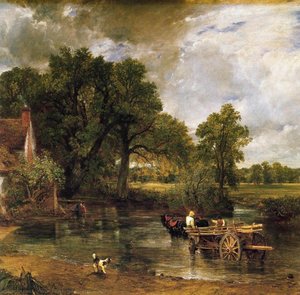 The Hay-Wain (detail) - John Constable
When you lean in to examine a detail of The Hay-Wain, the true genius of John Constable reveals itself through a dance of light and texture. This isn't just a depiction of the River Stour; it is a tactile celebration of the English countryside. Through his revolutionary use of impasto, Constable captures the shimmering movement of water and the heavy, sun-drenched weight of the landscape. You can almost feel the moisture in the air and the rustic energy of the riverbank, where horses and boats move through a soft, romantic haze.
This specific detail exemplifies why this work remains one of the top 25 artworks of John Constable. It captures the very essence of Romanticism—the emotional connection between man and nature. At Mus3ums.com, we believe such masterpieces deserve more than a flat print. Our handmade oil reproductions are meticulously crafted to preserve this three-dimensional soul, ensuring the visible brushstrokes and rich, espresso tones bring the living, breathing atmosphere of the Dedham Vale directly into your living room.
Flatford Mill (Scene on a Navigable River) - John Constable
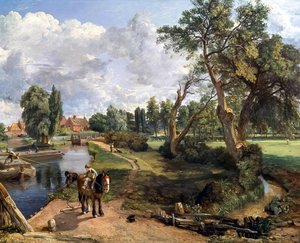 Flatford Mill (Scene on a Navigable River) - John Constable
In this 1817 masterpiece, John Constable invites you to step into the very heart of the Stour Valley. Flatford Mill (Scene on a Navigable River) is more than a landscape; it is a profound meditation on the rhythms of nature. As a quintessential example of the British Romantic movement, this work showcases Constable’s unparalleled ability to capture the ephemeral dance of light and atmosphere. The calm, reflective waters of the river act as a mirror to the lush, verdant banks, while a moored boat and distant figures provide a gentle human connection to the vastness of the Suffolk countryside.
For those looking to transform a living room into a sanctuary of peace, this painting offers a serene, tranquil vibe. Through his signature use of textured impasto and a masterful command of natural light, Constable creates a sense of depth that pulls the viewer toward the rolling hills and soft, drifting clouds. It is a timeless piece that turns any space into a gallery of the soul, celebrating the quiet majesty of the English pastoral scene.
The Leaping Horse - John Constable
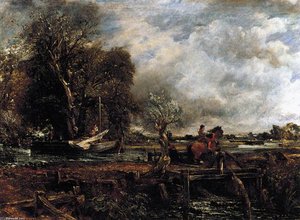 The Leaping Horse - John Constable
In "The Leaping Horse," painted in 1825, John Constable captures more than just a rural moment; he freezes a pulse of pure, unbridled energy. This masterpiece secures its place among the top 25 artworks of John Constable by perfectly embodying the soul of Romanticism. Rather than focusing on static perfection, Constable uses thick, expressive impasto and textured brushwork to convey the raw vitality of the English countryside. The scene—a tow horse leaping over a rustic barrier along the River Stour—is a masterclass in movement and light.
The painting invites us to feel the dampness of the Suffolk air and the sudden, muscular surge of the animal against a soft, overcast sky. Its muted, melancholic palette creates a tranquil yet dramatic atmosphere that speaks to the fleeting nature of time. For the modern collector, this work offers a timeless connection to the natural world, bringing a sense of organic life and historical depth into a contemporary living space. It is a beautiful reminder that true art doesn't just show us a landscape; it makes us feel the very breath of the earth.
Cenotaph to the Memory of Sir Joshua Reynolds - John Constable
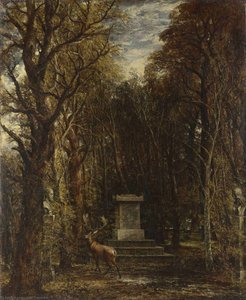 Cenotaph to the Memory of Sir Joshua Reynolds - John Constable
In this evocative masterpiece, John Constable does not merely depict a landscape; he composes a visual sonata of memory and light. Completed in 1836, this work serves as a profound tribute to Sir Joshua Reynolds, capturing the serene grounds of Coleorton Hall with a melancholic, Romantic grace. Rather than simply recording a scene, Constable uses his signature textured impasto to invent a sense of atmosphere, making the autumnal foliage feel alive and breathing.
The painting is a masterclass in the interplay of light and shadow, where soft phthalo greens and earthy browns dance beneath a shifting, cloud-swept sky. A solitary deer rests near the central cenotaph, adding a touch of quiet wildlife to this undisturbed sanctuary. It is this ability to translate the emotional weight of a landscape—the feeling of a peaceful, passing moment—that secures its place among the top 25 artworks of John Constable. To bring this piece into your living room is to invite a portal of tranquility and historical depth into your home, turning a simple wall into a window onto the sublime English countryside.
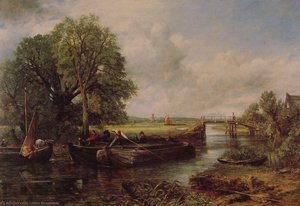
A View On The Stour Near Dedham - John Constable
What story does the gentle movement of the river and the soft, rosy-brown hues of the English countryside tell? In 1822, A View On The Stour Near Dedham captured a moment of profound tranquility, serving as a cornerstone of the Romantic movement. This masterpiece transports us to the heart of the Stour Valley, where the rhythmic life of rural England unfolds along the water's edge. With its delicate depiction of rowing boats, grazing horses, and figures lost in quiet leisure, the painting transcends mere landscape; it becomes a window into a nostalgic, slower era.
Constable’s genius lies in his ability to use textured impasto and natural light to make the atmosphere feel almost tangible. For the modern collector, this work offers more than just decoration; it provides a curated escape. Bringing this scene into your living room invites a sense of historical depth and serene calm, making it a quintessential selection among the top 25 artworks of John Constable. It is a soulful tribute to the beauty of the everyday, rendered with a mastery of light that remains timeless.
Flatford Lock - John Constable
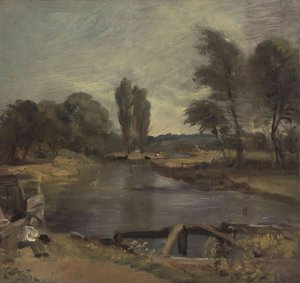 Flatford Lock - John Constable
Acquiring a piece inspired by Flatford Lock is more than a design choice; it is an investment in a storied legacy of British Romanticism. As one of the most significant works in the top 25 artworks of John Constable, this 1811 masterpiece captures the very soul of the Stour Valley. Constable’s signature use of textured impasto and his profound mastery of natural light transform this river landscape into a meditative study of serenity. The composition, featuring a tranquil boat and figures working the riverbank, exemplifies his ability to weave human rhythm into the vastness of the English countryside.
The painting’s soft, atmospheric depth and calming palette make it a cornerstone of landscape art history. For the modern collector, a high-quality, hand-painted reproduction of this work brings that same sense of historical prestige and quiet luxury into a contemporary living room. It serves as a sophisticated focal point, offering a timeless connection to the pastoral beauty that defined an era.
Salisbury Cathedral from the Bishop's Grounds - John Constable
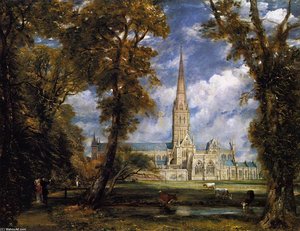 Salisbury Cathedral from the Bishop's Grounds - John Constable
Imagine a moment where the divine meets the earth, captured in a soft, autumnal glow that feels like a whispered prayer. In Salisbury Cathedral from the Bishop's Grounds (1825), John Constable achieves a sublime harmony between man-made grandeur and the untamed beauty of the English countryside. This masterpiece is a cornerstone of his legacy, showcasing his ability to move beyond mere topography to capture the very soul of a landscape through textured impasto and a masterful play of light.
The composition is a serene dance of elements: the majestic Gothic spire pierces a soft, overcast sky, while a gentle stream meanders through lush, verdant foliage in the foreground. By framing the cathedral with organic, sweeping trees, Constable creates a sense of quiet prestige and reflective calm. For the modern home, this work offers more than just decor; it brings a sense of timeless tranquility and a connection to nature's rhythms. It is a quintessential example of the Romantic movement, inviting you to find peace in the interplay of gray stone, deep greens, and the golden light of a fading afternoon.
Helmingham Dell - John Constable
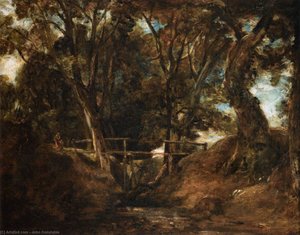 Helmingham Dell - John Constable
Imagine stepping into a sun-drenched sanctuary where the air feels heavy with the scent of damp earth and ancient leaves. In Helmingham Dell, John Constable captures more than a mere woodland scene; he invites us into a profound, rhythmic dialogue between light and shadow. This masterpiece is a cornerstone of his legacy, showcasing his revolutionary departure from idealized landscapes in favor of raw, direct observation. Through his signature use of textured impasto, Constable gives the tree trunks a sculptural vitality, making the lush Phthalo Green foliage feel almost tactile.
The composition, featuring a serene wooden bridge spanning a quiet ravine, serves as a perfect example of why he remains a titan of Romantic landscape painting. There is a rhythmic harmony in the way light filters through the canopy, creating a calm, meditative atmosphere that transcends the canvas. For the modern home, this work offers a sense of tranquil escapism, bringing the restorative, soulful energy of the English countryside into a living space. It is not just a painting; it is a window into a peaceful, timeless world.
Evening Landscape after Rain - John Constable
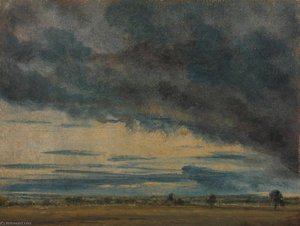 Evening Landscape after Rain - John Constable
There is a profound, quiet magic in the moment the clouds break and the world begins to glisten anew. In Evening Landscape after Rain, John Constable captures more than just a rural scene; he captures the very breath of the English countryside. This 1821 masterpiece is a cornerstone of his legacy, showcasing his unparalleled ability to translate the fleeting, atmospheric light of the Stour Valley into a tangible emotional experience. Through his signature use of textured impasto, Constable recreates the damp, heavy air and the way twilight shadows dance across a sodden field, making the viewer feel the cool, refreshing mist on their skin.
This work exemplifies why Constable remains a titan of Romantic landscape painting. He moves beyond mere topography to explore the sublime tension between the tranquility of nature and the dramatic intensity of a storm's aftermath. For the modern home, such a piece brings a sense of calm and sophisticated depth, particularly in a living room setting where its rich, espresso tones and moody, atmospheric light can anchor a room, turning a simple wall into a window onto a timeless, tranquil world.
Lane near Dedham - John Constable
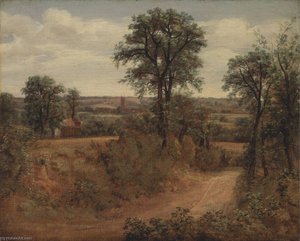 Lane near Dedham - John Constable
There is a profound, quiet magic in the way a single path can lead the soul away from the chaos of modern life and into a state of pure serenity. In Lane near Dedham, John Constable captures more than just a landscape; he captures a feeling of homecoming. Painted in 1802, this masterpiece invites you to wander through a soft, rosy-brown world where the gentle light of a setting sun dances across textured foliage and winding dirt paths. It is this ability to translate the fleeting rhythms of nature into an enduring emotional experience that secures its place among the top 25 artworks of John Constable.
This work is a quintessential example of Constable’s genius, showcasing his signature ability to use light and organic forms to create a sense of deep, atmospheric realism. The way the trees frame the distant, peaceful buildings creates a harmonious balance that feels both intimate and vast. At Mus3ums.com, we believe such timeless beauty should be accessible to every home. Our hand-painted oil reproductions are crafted with meticulous care, preserving the visible brushstrokes and rich, tactile textures that make Constable’s vision feel alive on your walls.
The Old Mill - John Constable
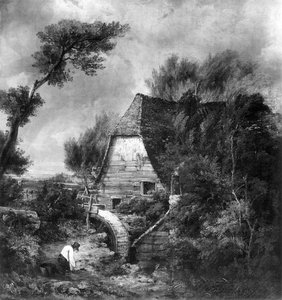 The Old Mill - John Constable
There is a profound, quiet power in witnessing a landscape stripped of its distractions to reveal its very soul. In 1820, John Constable captured this essence in The Old Mill, a work that stands as a cornerstone among the top 25 artworks of John Constable. Moving away from grand, sweeping narratives, this masterpiece invites us into a serene, monochromatic study of the English countryside. Rather than relying on vibrant hues, Constable utilizes a sophisticated grayscale palette to masterfully play with chiaroscuro, allowing light to break through a heavy, cloudy sky and dance across weathered timber and damp earth.
The painting is a tactile triumph of the Romantic movement; his signature impasto technique creates a rugged, physical texture that makes the bark of the leaning trees and the grain of the mill feel almost touchable. A solitary figure near the waterwheel emphasizes the tranquil, timeless rhythm of rural life. By focusing on the interplay of light and shadow, Constable transforms a simple mill into a sublime meditation on nature, proving that even the most quiet, humble scenes can possess an eternal, transformative beauty for any modern home.
A Lane near Flatford - John Constable
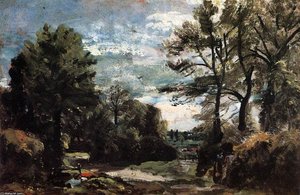 A Lane near Flatford - John Constable
Stepping into A Lane near Flatford is like taking a quiet, restorative breath in the heart of the English countryside. This 1810 masterpiece is a cornerstone of the top 25 artworks of John Constable, capturing a tranquil moment in the Dedham Vale where the rhythm of life feels perfectly synchronized with nature. We find ourselves following a solitary figure and his faithful dog along a winding path, their gentle journey framed by ancient, sturdy trees and a sky filled with soft, shifting clouds.
What makes this work a quintessential example of Constable’s genius is his revolutionary use of impasto; his thick, textured brushstrokes bring a tactile realism to the rugged bark and lush greenery that predates the Impressionist movement. The palette, dominated by soothing putty and earthy tones, creates a calm, pastoral vibe that is perfect for a living room or a personal sanctuary. Bringing this serene landscape into your home offers more than just decor; it provides a window into a timeless, peaceful world, inviting profound reflection and a sense of enduring grace.
Willy Lot's House - John Constable
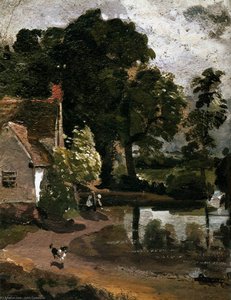 Willy Lot's House - John Constable
There is a profound, quiet soulfulness in Willy Lot’s House that immediately draws you in, offering a sense of calm that feels almost like a deep, rhythmic breath. As one of the top 25 artworks of John Constable, this 1810 masterpiece captures more than just a landscape; it captures a feeling of belonging. Through his signature textured impasto and a masterful play of natural light, Constable transforms a humble farmhouse in the Stour Valley into a timeless symbol of pastoral peace. The shimmering water and the soft, cloudy sky create a dreamy atmosphere, while the subtle presence of figures and a wandering dog adds a gentle pulse of life to the scene.
This work exemplifies the essence of Constable’s genius—his ability to find the divine in the everyday rhythms of rural England. For those looking to curate a meaningful home, bringing this piece into your living room can transform a personal sanctuary into a space for profound reflection. It is not merely a painting of a house, but an invitation to experience the serene, romantic beauty of the Suffolk countryside.
Old Sarum - John Constable
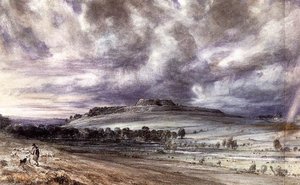 Old Sarum - John Constable
In the sweeping expanse of John Constable’s Old Sarum, time seems to hold its breath, suspended between the weight of history and the movement of the heavens. This 1834 masterpiece stands as a cornerstone of his legacy, capturing the very essence of the Romantic movement through a profound meditation on nature’s endurance. As one of the top 25 artworks of John Constable, it is celebrated for its masterful ability to turn a landscape into a psychological experience.
The composition is a symphony of light and shadow, where the skeletal ruins of an ancient cathedral crown a verdant, rising hill. Constable’s signature touch is felt in the restless, swirling sky; layers of slate, pearl, and charcoal clouds suggest a heavy, moisture-laden air, as if a summer storm is just moments away. This interplay of textures—from the choppy, living strokes of the grass to the soft, luminous washes of the sky—creates an atmospheric perspective that draws the viewer deep into the English countryside. For the modern home, this piece brings a sense of tranquil sophistication, offering a window of quiet contemplation and timeless beauty to any living space.
East Bergholt Rectory - John Constable
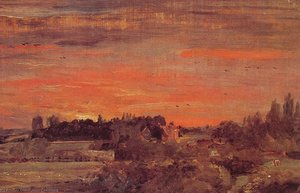 East Bergholt Rectory - John Constable
In East Bergholt Rectory, we witness the very soul of British Romanticism captured through Constable’s revolutionary approach to light. Rather than smooth, static surfaces, this 1810 masterpiece thrives on a tactile, shimmering energy. Up close, you can almost feel the rhythmic, broken brushstrokes—a precursor to Impressionism—that allow the fiery ochres and soft pinks of the Suffolk sunset to dance across the canvas. This isn't just a landscape; it is a sensory experience of the Stour Valley, where the atmosphere feels as heavy and warm as the evening air itself.
This work is a cornerstone of our collection of the top 25 artworks of John Constable because it perfectly illustrates his ability to infuse nature with human emotion. The subtle presence of figures amidst the sprawling trees and glowing sky creates a profound sense of tranquility and connection to the land. At Mus3ums.com, we believe such masterpieces deserve to be felt, not just seen. Our hand-painted oil reproductions are meticulously crafted to preserve this essential impasto texture and luminous depth, bringing the living, breathing spirit of Constable’s genius directly into your home.
Boat-building near Flatford Mill - John Constable
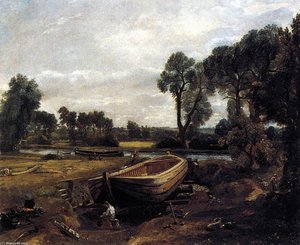 Boat-building near Flatford Mill - John Constable
Imagine the soft, rhythmic sound of a hammer meeting wood, set against the tranquil whispers of the River Stour. In Boat-building near Flatford Mill, John Constable captures more than a mere landscape; he captures a heartbeat of rural England. This 1815 masterpiece is a cornerstone of his legacy, showcasing his unparalleled ability to weave together the dignity of human labor with the sublime beauty of the natural world. Through his signature textured impasto and a masterful play of light, Constable transforms a simple scene of craftsmanship into a serene meditation on harmony.
The painting is a quintessential example of the artist's devotion to his childhood home in Dedham Vale. The lush, phthalo green hues and the gentle, cloudy sky create a calm, idyllic atmosphere that feels almost tactile. For the modern home, this work offers a sense of quiet prestige, bringing a peaceful, organic energy to a living room. It is this ability to elevate the everyday into something timeless that makes this one of the top 25 artworks of John Constable, inviting us all to find beauty in the slow, steady rhythms of life.
The Cornfield - John Constable
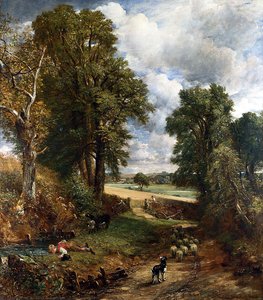 The Cornfield - John Constable
In the grand tapestry of the top 25 artworks of John Constable, The Cornfield (1826) stands as a breathtaking testament to the soul of the English countryside. This masterpiece does more than depict a landscape; it captures a fleeting, tranquil moment of midday light dancing across the lush, phthalo green of the Stour Valley. Through his signature use of textured impasto, Constable breathes life into the scene, where a meandering river and a golden cornfield create a sense of profound pastoral harmony.
What makes this work a cornerstone of his legacy is its ability to evoke a serene, emotional depth that transcends the canvas. For the modern home, it offers a window into a world of calm, making it a perfect centerpiece for a living room seeking a sense of timelessness and natural warmth. It is a symphony of light and shadow that exemplifies Constable's Romanticist genius, inviting us to find beauty in the quiet, everyday rhythms of nature.
Salisbury Cathedral From the Meadows - John Constable
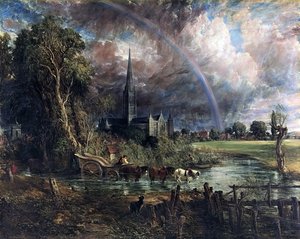 Salisbury Cathedral From the Meadows - John Constable
In Salisbury Cathedral From the Meadows, Constable achieves a breathtaking structural harmony that defines his mastery of the English landscape. The composition is a delicate dance of geometry: the vertical majesty of the cathedral spire pierces the sky, providing a stable anchor against the organic, winding curves of the Avon River and the soft, rolling meadows. This balance between the architectural and the natural creates a sense of timeless perfection, making it a cornerstone of our collection of the top 25 artworks of John Constable.
The painting’s internal equilibrium—the way the heavy, earthy greens of the foreground transition into the ethereal, light-drenched sky—mirrors the principles of modern minimalist design. Much like a contemporary space that relies on a grounding focal point, this work uses its serene, tranquil mood to anchor a room. With its soft putty tones and dramatic rainbow, it offers a sophisticated way to introduce Romanticism into a clean, modern aesthetic, proving that even the most detailed 19th-century masterpieces can feel effortlessly current.
wivenhoe park - John Constable
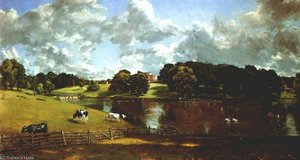 wivenhoe park - John Constable
In Wivenhoe Park, John Constable captures a profound sense of pastoral serenity through a palette dominated by deep, earthy espresso tones and lush, verdant greens. This masterpiece is a cornerstone of his legacy, showcasing the very essence of his Romantic landscape style. Rather than a static image, Constable uses a revolutionary, textured impasto to make the sunlight appear to dance across the grazing herds and the gentle ripples of the water. His mastery of light and shadow creates a living, breathing ecosystem that feels both intimate and expansive.
For the modern homeowner, this work is a masterclass in creating a tranquil atmosphere. The calming interplay of natural light and soft, atmospheric blues makes it an ideal centerpiece for a living room or dining area, instantly infusing a space with a sense of timeless grace and English countryside charm. As one of the top 25 artworks of John Constable, it remains a quintessential example of how nature and human life can exist in perfect, harmonious balance.
Study of Hollyhocks - John Constable
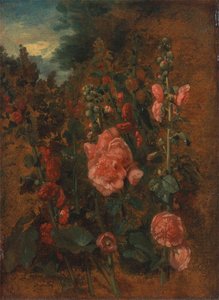 Study of Hollyhocks - John Constable
In his 1826 Study of Hollyhocks, John Constable pivots from the sweeping vistas of the Stour Valley to a moment of profound, quiet intimacy. This masterpiece, currently held at the Yale Center for British Art, is a quintessential example of why he remains a titan of the Romantic movement. Rather than seeking grand historical drama, Constable finds the sublime in the delicate; he captures the fleeting essence of nature through a masterful play of light and color. The composition is a harmonious dance of soft pinks and vibrant Phthalo greens, where a solitary bird perched among the blooms adds a sense of living, breathing immediacy to the scene.
For the modern collector, this work offers a nostalgic, tranquil energy that breathes life into a living room or sunlit study. Its textured impasto and naturalistic palette make it a timeless choice for those looking to bring the serene, organic beauty of the English countryside into a contemporary home. It is not just a painting of flowers, but a meditation on the ephemeral beauty of life itself.
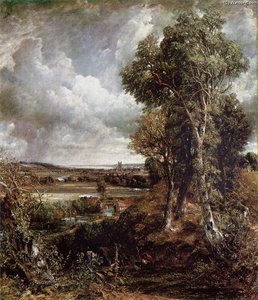
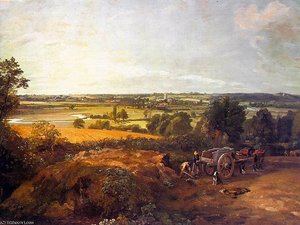
Dedham Vale, with a view to Langham church from the fields just east of Vale Farm, East Bergholt - John Constable
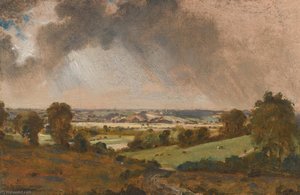 Dedham Vale, with a view to Langham church from the fields just east of Vale Farm, East Bergholt - John Constable
In this 1815 masterpiece, John Constable achieves a sublime structural harmony that defines his legacy among the top 25 artworks of John Constable. The composition is a masterclass in balanced geometry; the undulating lines of the Suffolk fields lead the eye gracefully toward the distant, sentinel-like Langham church, creating a sense of timeless perfection. This rhythmic arrangement of grazing sheep, peaceful cows, and scattered trees provides a grounded, organic structure that feels both expansive and intimate.
Constable’s signature use of textured impasto and his sensitivity to the shifting English light transform a simple rural vista into a profound Romantic meditation. There is a striking parallel between this work’s internal equilibrium and the principles of modern minimalist design; the way the landscape is organized into soothing, purposeful layers allows it to anchor a contemporary living room with effortless elegance. It is more than a landscape; it is a nostalgic window into the soul of the Stour Valley, capturing the very essence of the English countryside through a lens of quiet, enduring tranquility.
The Stour - John Constable
 The Stour - John Constable
Look closer at The Stour. The lines here aren't merely drawn; they are choreographed. This is not a static composition, but a dance of light and water frozen in time. As one of the most significant works in our collection of the top 25 artworks of John Constable, this piece captures the very soul of the Stour Valley. Constable moves beyond simple representation, using a loose, rapid brushwork that feels almost improvisational, as if he were capturing the fleeting moisture of the English countryside in real-time.
The palette is a masterclass in tranquility, utilizing muted greys, deep ochres, and earthy greens to evoke a serene, overcast atmosphere. Notice how the heavy, cloud-filled sky is mirrored in the gentle ripples of the river, creating a rhythmic harmony between heaven and earth. It is this ability to make the chaos of nature feel like pure, breathing harmony that defines Constable’s genius. Imagine your own living space holding this same balance—where your walls don't just decorate, but truly breathe rhythm.
Harwich The Low Lighthouse and Beacon Hill - John Constable
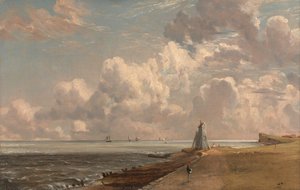 Harwich The Low Lighthouse and Beacon Hill - John Constable
In this 1820 masterpiece, John Constable invites us to step beyond the mere observation of a coastal scene and into a profound meditation on the English spirit. Harwich: The Low Lighthouse and Beacon Hill is a quintessential example of Constable’s ability to capture the ephemeral; it is not a static image, but a living, breathing moment of the Stour Valley’s wider influence. The eye is immediately drawn to the stoic Low Lighthouse perched atop Beacon Hill, acting as a silent sentinel over the shimmering Essex coastline.
What makes this one of the top 25 artworks of John Constable is his revolutionary approach to light and atmosphere. Through textured impasto and a masterful command of luminosity, he captures the way the morning mist softens the horizon and how the tide dictates the rhythm of life. The palette, dominated by serene rosy browns and soft coastal hues, creates a tranquil mood that makes the sea breeze feel almost tangible. To hang this piece is to invite a sense of peaceful communion between the natural world and your own home, reminding us that even in the vastness of the sea, there is a quiet, enduring grace.
Conclusion
As the light fades on our journey through the Stour Valley, we find that John Constable’s legacy is far more than a collection of historic treasures tucked away in quiet galleries. His work is a living, breathing testament to the beauty of the fleeting moment—the way a cloud catches the sun, the rhythmic pulse of a river, and the profound peace found in the English countryside. These masterpieces do more than decorate a room; they invite a sense of calm and a deep, soulful connection to the natural world into our modern lives, turning a simple wall into a window toward tranquility.
At Mus3ums.com, we believe that the emotion captured by Constable’s brush should be felt in your own home. We invite you to bring these timeless landscapes into your personal sanctuary through our hand-painted oil reproductions. Each piece is meticulously crafted by skilled artists who honor the original's soul, capturing the very texture of the impasto and the delicate dance of light that makes Constable’s work so unforgettable. Whether you are seeking a grand centerpiece for a living room or a quiet corner of inspiration, our collection allows you to own a piece of this enduring beauty.
We invite you to explore our full collection and discover which of these storied landscapes speaks most deeply to your heart. Let us help you transform your space into a place of wonder, where the artistry of the past meets the warmth of your home.


