

Why Collect by Period? Understanding Historical Context
For those drawn to history, collecting art isn’t merely about acquiring beautiful objects; it's about possessing tangible fragments of the past. Each brushstroke, each sculpted form, echoes the beliefs, anxieties, and triumphs of a specific era. To collect by period is to embark on a journey through time, assembling not just artworks but narratives – visual chronicles that illuminate the human experience. Unlike collecting by artist or subject matter, focusing on a historical period allows for a deeper understanding of how artistic styles evolved in response to societal shifts, technological advancements, and philosophical currents. Consider the dramatic shift from the idealized forms of the Renaissance to the emotionally charged canvases of the Baroque era – a reflection of the religious upheaval and scientific discoveries that reshaped Europe. A painting isn’t simply *of* its time; it *is* its time, imbued with the spirit of an age.
A Timeline of Western Art: Key Periods & Characteristics
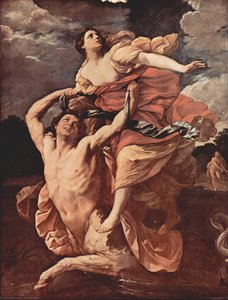
The story of Western art is a vast and complex one, but certain periods stand out as pivotal moments in its evolution. The foundations were laid in Ancient Greece and Rome, where ideals of beauty, proportion, and realism flourished, influencing artistic endeavors for centuries to come. Following the decline of the Roman Empire, the Medieval period saw art largely devoted to religious themes, characterized by stylized figures and symbolic representations – think of the illuminated manuscripts and soaring Gothic cathedrals. The Renaissance, beginning in the 14th century, marked a rebirth of classical learning and a renewed focus on humanism. Artists like Leonardo da Vinci and Michelangelo mastered anatomy, perspective, and composition, creating works that celebrated human potential. The subsequent Baroque period embraced drama, grandeur, and emotional intensity, exemplified by the opulent paintings of Caravaggio and Rubens.
As Enlightenment ideals took hold, the Rococo style emerged – a lighter, more playful aesthetic favored by the aristocracy. The late 18th and early 19th centuries witnessed the rise of Neoclassicism, which looked back to classical antiquity for inspiration, followed by Romanticism, a movement that emphasized emotion, imagination, and individualism. The 19th century brought forth a whirlwind of innovation: Realism sought to depict everyday life with unflinching accuracy; Impressionism captured fleeting moments of light and color; and Post-Impressionism, spearheaded by artists like Van Gogh and Cézanne, paved the way for modern art. The 20th century exploded with experimentation – from the abstract forms of Cubism to the surreal landscapes of Surrealism, each movement challenging conventional notions of representation.
Navigating Major Artistic Movements: From Renaissance to Modernism
Understanding the core tenets of major artistic movements is crucial for any aspiring collector. The Renaissance, with its emphasis on human anatomy and perspective, produced masterpieces like Raphael’s “School of Athens,” a testament to classical learning and intellectual inquiry. The Baroque period, exemplified by Bernini's sculptures and Caravaggio’s dramatic paintings, sought to evoke powerful emotions through dynamic compositions and intense chiaroscuro – the interplay of light and shadow. Impressionism, rejecting academic conventions, focused on capturing the ephemeral effects of light and atmosphere, as seen in Monet’s water lilies. Post-Impressionists like Van Gogh explored subjective experience and emotional expression, using bold colors and expressive brushstrokes.
The 20th century witnessed a radical departure from traditional representation. Cubism, pioneered by Picasso and Braque, fragmented objects into geometric forms, challenging the viewer’s perception of reality. Surrealism, inspired by Freudian psychology, delved into the realm of dreams and the subconscious, creating bizarre and unsettling imagery. Abstract Expressionism, emerging after World War II, emphasized spontaneous gesture and emotional intensity, as exemplified by Jackson Pollock’s drip paintings. Each movement built upon its predecessors, reacting against established norms and pushing the boundaries of artistic expression.
Building Your Collection: Focusing on a Specific Era
When embarking on your collecting journey, it's wise to focus on a specific period that resonates with your interests. Perhaps you are captivated by the elegance and refinement of the Rococo era, or drawn to the emotional intensity of Romanticism. Once you’ve chosen a period, delve deeper into its key characteristics, artists, and themes. Research the historical context – what was happening in society, politics, and philosophy at the time? This will enrich your understanding and appreciation of the artworks themselves. Consider starting with prints or smaller works to build your knowledge and refine your taste before investing in more substantial pieces. Don’t be afraid to seek advice from art experts or consult reputable galleries like .
Resources for Further Exploration and Authentication
The world of art history is vast, but numerous resources are available to aid your exploration. Smarthistory offers a comprehensive online guide to art history, with essays, images, and videos covering a wide range of periods and movements. Museum websites – such as the Louvre, the Metropolitan Museum of Art, and the National Gallery – provide access to vast collections and scholarly resources. For authentication purposes, it’s crucial to consult reputable experts and appraisers. provides high-quality reproductions that allow you to experience the beauty of masterpieces firsthand, while also offering expert guidance on building your collection. Remember, collecting art is a lifelong pursuit – an ongoing journey of discovery and appreciation.