
Introduction
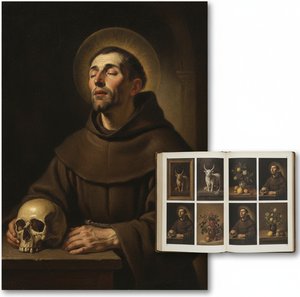
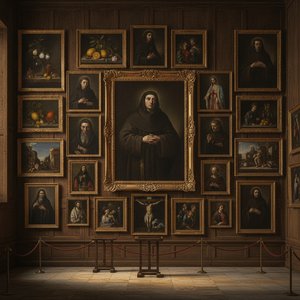
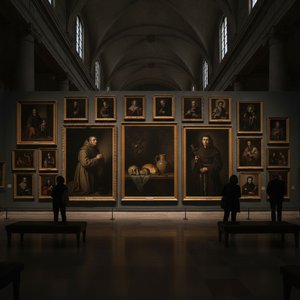
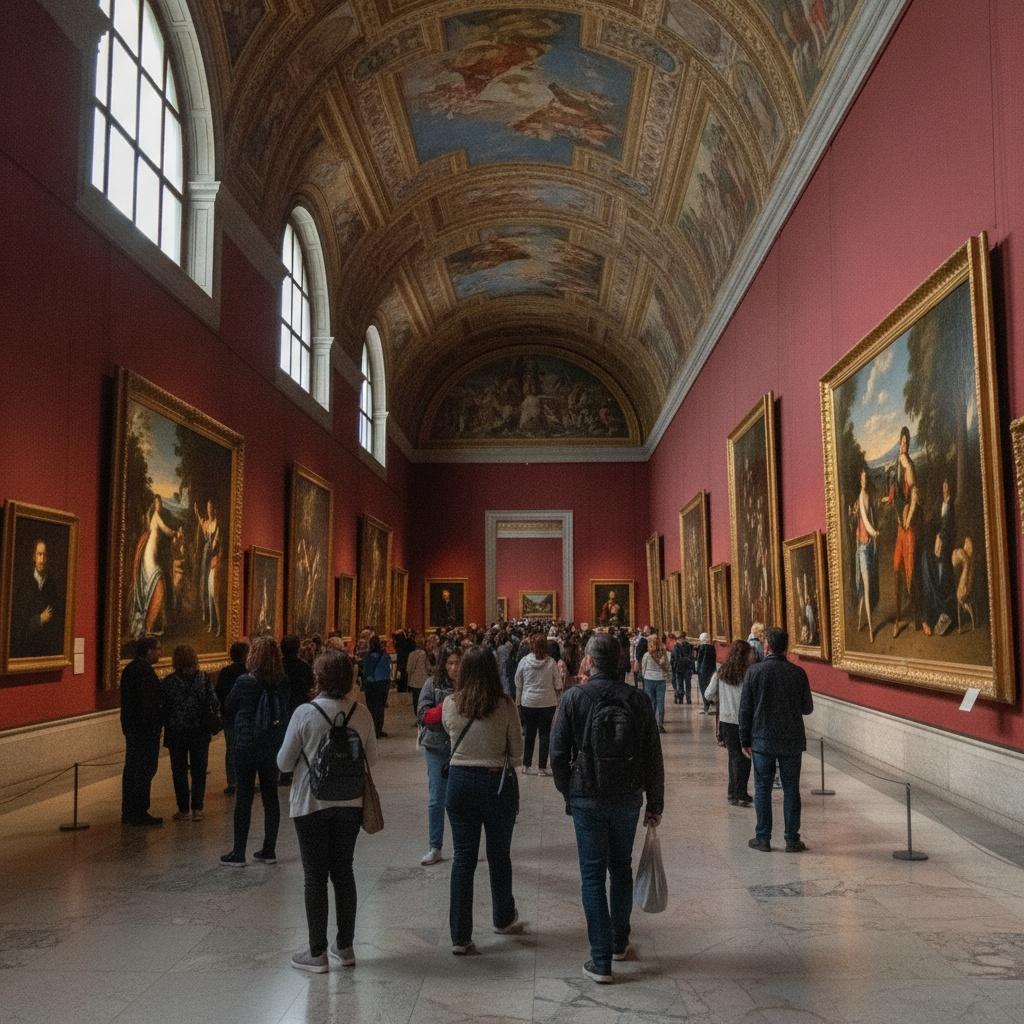
To step through the grand portals of the Museo Nacional del Prado in Madrid is to leave the modern world behind and enter a living chronicle of human emotion and royal grandeur. This is not merely a museum; it is a palace that breathes with the weight of centuries, where the very air seems thick with the legacy of Spanish Baroque brilliance and the profound shadows of European masters. As you wander through Juan de Villanueva’s neoclassical halls, designed to bathe the collections in a clarity of light, you are not just viewing objects, but participating in a continuous dialogue between the past and the present.
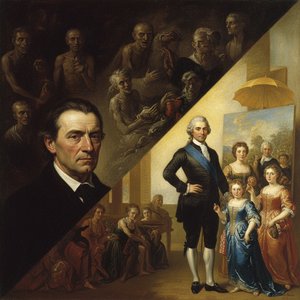
The Prado serves as the beating heart of Spain's artistic identity, housing a collection that traces the evolution of Western consciousness through the eyes of giants. From the ethereal, spiritual intensity of El Greco to the dramatic, light-drenched canvases of Velázquez and the haunting, psychological depth of Goya , the museum offers an unparalleled journey through the heights of human creativity. These works remain profoundly meaningful today because they capture the universal—the triumphs of kings, the struggles of the soul, and the delicate interplay of light and shadow that defines our shared existence.
In the following selection, we invite you to walk alongside us through the galleries. We have curated a definitive guide to the top 25 artworks that define this institution—pieces that demand your attention, provoke your thoughts, and continue to shape the way we perceive beauty and history. Prepare to encounter masterpieces that do not just hang on walls, but resonate within the spirit.
The Surrender of Breda (Las Lanzas) - Diego Velázquez
 The Surrender of Breda (Las Lanzas) - Diego Velázquez
To stand before The Surrender of Breda (Las Lanzas) by Diego Velázquez is to witness a profound moment where the brutality of war dissolves into an extraordinary display of human dignity. As one of the most significant pieces among the top 25 artworks in Museo del Prado, Madrid , this masterpiece transcends mere historical documentation of the Eighty Years’ War. Instead, it offers a masterclass in Baroque restraint.
Velázquez utilizes a muted, earthy palette of ochres and grays, allowing his alla prima technique to breathe life into the scene through visible, fluid brushwork. The composition is anchored by the verticality of the lances, yet the emotional heart lies in the subtle exchange between the Spanish and Dutch commanders—a gesture of respect rather than conquest. Light falls softly across the figures, highlighting the textures of steel armor and heavy fabrics, while a distant, smoky horizon reminds us of the conflict's cost. This painting remains essential for any collection, proving that even in the wake of battle, art can capture a timeless sense of grace and honor that continues to transform modern spaces.
The Triumph of Death - Pieter Bruegel the Elder
 The Triumph of Death - Pieter Bruegel the Elder
In The Triumph of Death by Pieter Bruegel the Elder, the composition defies traditional tranquility, utilizing a complex, crowded geometry to overwhelm the viewer. Rather than a single focal point, Bruegel employs a series of jagged, angular lines and layered horizontal planes that guide the eye across a desolate landscape of skeletal armies and fleeing masses. This structural chaos is paradoxically balanced by a rhythmic distribution of figures—from fallen kings to desperate peasants—creating a sense of inevitable, cyclical movement that anchors this work within the top 25 artworks in Museo del Prado, Madrid .
The palette is a somber study in earthy ochres, muted grays, and deep browns, punctuated only by the visceral flashes of crimson blood. While the subject matter is apocalyptic, the painting's internal logic—the way scale and depth are managed through diminishing figures—mirrors the principles of modern minimalist design, where purposeful placement creates impact. This balance between overwhelming detail and structural cohesion allows the piece to ground a contemporary space with its profound, dark gravity, making it an essential masterpiece for any serious collection.
The Annunciation - Fra Angelico
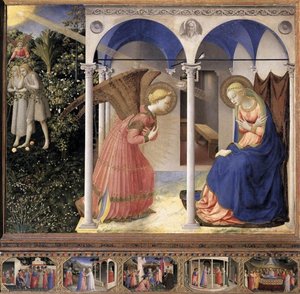 The Annunciation - Fra Angelico
In Fra Angelico's The Annunciation , one is immediately struck by the profound sense of stillness and the humble, receptive gaze of the Virgin Mary as she meets the Archangel Gabriel. This masterpiece, a cornerstone of the top 25 artworks in Museo del Prado, Madrid, captures more than a biblical event; it captures a moment of pure, transcendent grace. The artist utilizes a luminous palette of soft blues, earthy greens, and radiant golds to illuminate the architectural portico, creating a sacred space that feels both physically present and spiritually ethereal.
The psychological depth within this Early Renaissance work serves as a universal mirror for human vulnerability and divine connection. Every detail, from the symbolic lily representing purity to the rhythmic geometry of the arches, invites deep contemplation. For those looking to curate a professional or personal environment, displaying such a powerful emotional resonance can transform a modern interior into a sanctuary of profound reflection and calm. It is an essential piece for any collection seeking to evoke tranquility and timeless elegance.
Las Meninas (The Maids of Honor) or the Royal Family - Diego Velázquez
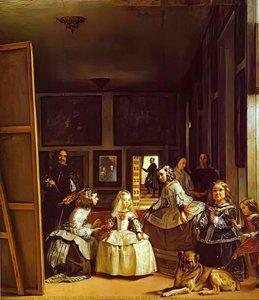 Las Meninas (The Maids of Honor) or the Royal Family - Diego Velázquez
Few works in the Museo del Prado command the room quite like Diego Velázquez's Las Meninas . As a cornerstone of the top 25 artworks in Madrid, this 1656 masterpiece serves as a profound meditation on the nature of reality and the gaze. Through a complex arrangement of light and shadow, Velázquez captures the Infanta Margaret Theresa within the intimate, bustling atmosphere of the Spanish court, yet he simultaneously pulls the viewer into the painting's very soul via the mysterious reflection in the background mirror.
The technical mastery on display—the way light dances across silken fabrics and the visible, confident brushstrokes that define the Baroque style—makes it an essential study for any serious collector. It is more than a royal portrait; it is a philosophical puzzle regarding perception and the role of the artist. For those curating sophisticated modern spaces, the deep ochres, rich golds, and dramatic chiaroscuro of this work offer a timeless aesthetic, providing a sense of historical weight and intellectual depth that elevates any professional interior or private gallery.
Deposition - Rogier van der Weyden
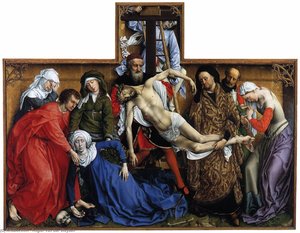 Deposition - Rogier van der Weyden
Rogier van der Weyden's Deposition stands as a pinnacle of the Northern Renaissance, a profound exploration of human grief that remains as visceral today as it was in 1435. As one of the most significant works within the Museo del Prado, Madrid, this masterpiece commands its place among the top 20 artworks through its unparalleled ability to blend meticulous Netherlandish realism with an overwhelming sense of pathos. The composition is a tightly packed tapestry of sorrow; every fold of heavy, jewel-toned fabric and every tear-streaked face contributes to a rhythmic, almost sculptural movement of mourning.
The artist masterfully utilizes light and color—deep crimsons, somber blues, and earthy browns—to guide the viewer through the tragedy of the Crucifixion. The striking visual parallel between the swooning Virgin Mary and the limp body of Christ creates a spiritual resonance that transcends time. For collectors and decorators seeking to infuse a space with historical gravity, this painting offers more than mere decoration; it provides a timeless conversation on empathy and the enduring beauty found within human vulnerability.
Triptych of Garden of Earthly Delights (detail) (23) - Hieronymus Bosch
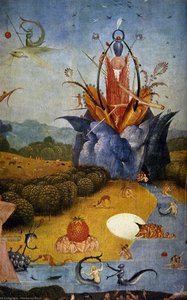 Triptych of Garden of Earthly Delights (detail) (23) - Hieronymus Bosch
Hieronymus Bosch's Triptych of Garden of Earthly Delights (detail) stands as a monumental pillar among the top 25 artworks in Museo del Prado, Madrid, representing the pinnacle of Northern Renaissance surrealism. This specific detail captures a fragment of Bosch’s feverish imagination, where the boundaries between the divine and the demonic dissolve into a landscape of unsettling fantasy. Through his mastery of oil on panel, Bosch weaves a dense tapestry of symbolism—from the presence of an egg signifying rebirth to the looming shadows of lions and dragons that threaten spiritual equilibrium.
The work’s placement in the Prado's premier collection is earned through its profound philosophical depth; it remains a haunting meditation on human temptation and mortality that continues to resonate in our modern, fragmented age. For the discerning collector or decorator, integrating a high-quality reproduction of this masterpiece offers more than mere decoration; it introduces a sophisticated, intellectual dialogue into a space. The intricate textures and surreal imagery serve as a timeless conversation piece, bringing the profound mysteries of art history into a contemporary architectural setting.
Christ Washing the Feet of His Disciples - Jacopo Tintoretto
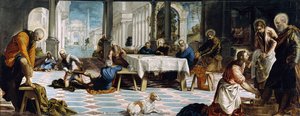 Christ Washing the Feet of His Disciples - Jacopo Tintoretto
To encounter Christ Washing the Feet of His Disciples by Jacopo Tintoretto within the halls of the Museo del Prado is to witness a masterclass in Venetian drama. This monumental oil on canvas does not merely depict a biblical moment; it breathes with the kinetic energy of 'Il Furioso' himself. As you stand before this 1547 masterpiece, the interplay of chiaroscuro pulls you into a sacred, shadowed space where light sculpts the very essence of humility.
Tintoretto orchestrates a breathtaking composition, using radiant illumination to highlight Christ’s serene figure against the deep, earth-toned shadows enveloping his disciples. The stark white linen draped over the table acts as a visual anchor, drawing the eye through an architectural landscape of arches and columns. Every brushstroke captures the palpable tension between devotion and human frailty. Owning a reproduction of such a legendary work isn’t just a design choice; it is an inheritance of taste, bringing the profound emotional depth and spiritual intensity of the Spanish Golden Age directly to your professional or private collection.
The Seven Deadly Sins - Hieronymus Bosch
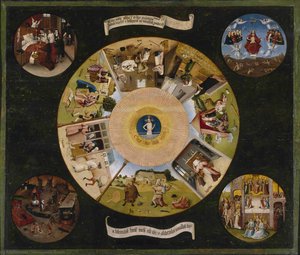 The Seven Deadly Sins - Hieronymus Bosch
Acquiring a piece inspired by The Seven Deadly Sins by Hieronymus Bosch is an investment in profound legacy and unparalleled taste for the discerning collector. As one of the most significant works within the top 25 artworks in Museo del Prado, Madrid , this masterpiece serves as a cornerstone of Northern Renaissance symbolism. Its historical provenance and the sheer complexity of its moral allegories cement its position as a high-value icon in the global art market.
The composition is a sensory journey through late 15th-century anxieties; a vibrant wheel of human vice and virtue set against a haunting, dark void. Bosch’s meticulous technique brings to life miniature scenes of prosperity and ruin, where rich reds and golds clash with shadows of divine judgment. The intricate detail and surreal imagery offer an emotional depth that transcends centuries. For the modern professional decorating high-end corporate spaces or luxury hospitality suites, a high-quality oil reproduction of this work carries the same aesthetic authority and status, providing a sophisticated focal point that commands attention and reflects a deep appreciation for art history's most enigmatic narratives.
Landscape with St Jerome - Joachim Patenier
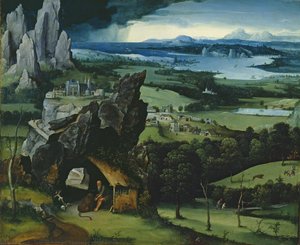 Landscape with St Jerome - Joachim Patenier
Imagine standing on the edge of a vast, breathing world, where the air feels cool with mountain mist and the only sound is the soft rustle of ancient pines. In Joachim Patinier’s Landscape with St Jerome , we are not merely looking at a painting; we are invited into a profound moment of spiritual solitude. The scene captures the quiet tension between the wild, untamed earth and the gentle act of compassion as St Jerome tends to a lion, set against an infinite horizon of receding blue peaks.
This masterpiece earns its place among the top 25 artworks in Museo del Prado, Madrid because it pioneered the "world landscape," using atmospheric perspective to turn nature into a theological sermon. Patinier’s ability to layer vibrant greens and hazy, distant mountains creates a sense of scale that is both humbling and restorative. Bringing such a vista into a modern space offers more than decoration; it provides a window to tranquility, allowing the expansive peace of the Flemish Renaissance to enrich the stillness of our contemporary lives.
St Cecilia - Nicolas Poussin
 St Cecilia - Nicolas Poussin
In Nicolas Poussin’s 1627 masterpiece, St. Cecilia , light does not merely illuminate the scene; it performs. As you stand before this work in the Museo del Prado , you realize the artist has composed light like a silent sonata, weaving it through the grand classical columns to create an atmosphere of divine order. The painting captures the patron saint of music lost in her organ, surrounded by a delicate assembly of children whose presence adds layers of innocence and movement to the composition.
Poussin utilizes a meticulous balance of form and shadow, where every brushstroke on the canvas serves a narrative purpose. The interplay between the architectural grandeur and the soft, human expressions creates a profound sense of spiritual purity. This is why St. Cecilia remains one of the top 25 artworks in Museo del Prado, Madrid : it transcends mere representation to become a portal of serene contemplation. To possess such a work is to invite a symphony of classical grace and eternal light into your own space.
Portrait of a Woman Revealing Her Breasts - Jacopo Tintoretto
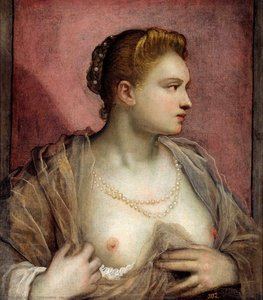 Portrait of a Woman Revealing Her Breasts - Jacopo Tintoretto
In the grand halls of the Museo del Prado , few works command attention with such raw, provocative intimacy as Portrait of a Woman Revealing Her Breasts by the Venetian master Jacopo Tintoretto . Painted around 1570, this work serves as a profound window into the Renaissance's complex intersection of humanism, sensuality, and the daring exploration of the female form. Tintoretto, famously known as "Il Furioso," utilizes his signature rapid, energetic brushstrokes to create a figure that feels vibrantly alive rather than static.
The painting’s placement among the top masterpieces in Madrid is earned through its masterful use of chiaroscuro ; the dramatic interplay of light against a soft, muted background pulls the viewer into a direct, unblinking encounter with the subject. Her unwavering gaze and the delicate texture of her skin invite us to reflect on the eternal nature of beauty and the vulnerability of human connection. For the modern collector or decorator, integrating such a powerful piece—or a high-quality oil reproduction—into a curated space brings a sense of historical depth and an undeniable, sophisticated emotional intensity that transcends centuries.
The Story of Nastagio degli Onesti (second episode) - Sandro Botticelli
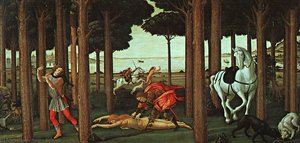 The Story of Nastagio degli Onesti (second episode) - Sandro Botticelli
To stand before The Story of Nastagio degli Onesti (second episode) by Sandro Botticelli is to step directly into the haunting pages of Boccaccio’s Decameron . This masterpiece, a vital inclusion in our survey of the top 25 artworks in 'Museo del Prado, Madrid', captures a chilling intersection of courtly elegance and supernatural dread. Botticelli utilizes his signature tempera technique to weave a tapestry of graceful, rhythmic lines and vibrant, jewel-toned pigments that illuminate a lavish banquet set against a dark, brooding forest.
The scene vibrates with dramatic irony; while the noble figures are draped in fine, flowing garments, a spectral violence looms in the periphery. You can almost feel the tension in the air as the artist uses light to highlight the contrast between the civilized feast and the grisly, repetitive fate of the knight in the background. Through delicate brushwork and an ethereal, dreamlike composition, Botticelli transforms a tale of unrequited love into a profound meditation on justice and obsession. It remains a breathtaking testament to how Renaissance narrative painting can still evoke deep, visceral emotion in the modern viewer.
Man with a Golden Lace - Jacopo Tintoretto
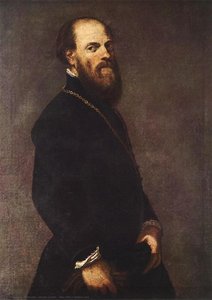 Man with a Golden Lace - Jacopo Tintoretto
There’s a gaze in Man with a Golden Lace by Jacopo Tintoretto that follows you—not with judgment, but with understanding . This isn’t merely a portrait; it is a mirror . As one of the most commanding works within the top 25 artworks in Museo del Prado, Madrid, its presence serves as a testament to its power to make the invisible visible.
Painted around 1550, the work utilizes a masterful chiaroscuro to sculpt the subject from a velvety darkness. The dramatic light catches the intricate textures of the golden lace collar and the heavy weight of a gold chain, evoking the opulent grandeur of the Venetian Renaissance. Every brushstroke breathes life into the sitter's dignified posture and piercing eyes, establishing an intimate connection that bridges centuries. Now, imagine that gaze in your space. Not watching you, but reminding you : you are seen. You are part of the story. To hang such a masterpiece is to invite a moment of profound stillness and historical gravity into your environment.
Descent from the Cross 1 - Rogier van der Weyden
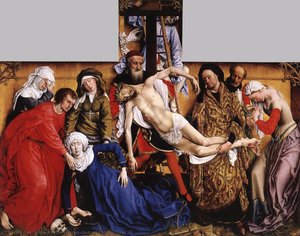 Descent from the Cross 1 - Rogier van der Weyden
In the hallowed halls of the Museo del Prado, Madrid, Rogier van der Weyden’s Descent from the Cross (1435) stands as a profound masterclass in human grief and divine sacrifice. To witness this work is to experience more than just a biblical scene; it is to encounter a symphony of sorrow where light does not merely illuminate—it speaks. Van der Weyden did not simply paint light; he composed it like a musician, using it to sculpt the palpable agony in every face and the heavy, realistic weight of Christ’s body.
The painting’s brilliance lies in its sculptural realism and a striking palette of deep crimsons, luminous whites, and celestial blues that guide your emotional journey. The way the light catches the delicate transparency of the linen shroud or the glistening tears of the mourners creates an immersive, three-dimensional experience. As one of the top 25 artworks in the Prado, this masterpiece invites you to step into a portal of spiritual contemplation, where every brushstroke captures the eternal resonance of compassion and loss.
Triptych of Haywain (central panel) - Hieronymus Bosch
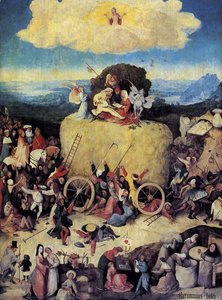 Triptych of Haywain (central panel) - Hieronymus Bosch
To step before the central panel of Hieronymus Bosch’s Triptych of Haywain is to be swept into a fever dream of Northern Renaissance surrealism. The scene unfolds with an unsettling, cinematic energy: a massive wagon overflowing with hay—a symbol of fleeting earthly desires—is pulled through a teeming, chaotic landscape by demonic forces. Bosch masterfully manipulates light and texture to create a world where the mundane and the apocalyptic collide. One can almost feel the frantic movement of the crowd and the heavy, suffocating atmosphere of greed and sin that permeates every inch of the oil-on-wood composition.
The sheer density of detail, from the grotesque monsters to the subtle inclusion of everyday objects like an umbrella, offers a profound meditation on the human condition. For the modern collector or decorator, this masterpiece serves as a powerful focal point. Its complex layers of symbolism and vibrant, albeit dark, palette provide an unparalleled intellectual depth, making it an extraordinary choice for those looking to inspire deep reflection and conversation within a sophisticated professional or residential space.
Judith and Holofernes (detail) - Jacopo Tintoretto
 Judith and Holofernes (detail) - Jacopo Tintoretto
Acquiring a piece inspired by Judith and Holofernes (detail) by Jacopo Tintoretto is an investment in the very essence of dramatic legacy and refined taste. As one of the top 25 artworks in 'Museo del Prado, Madrid', this masterpiece exemplifies the Venetian Renaissance at its most visceral. The work captures a moment of profound tension, where the cool, regal blue of Judith’s attire contrasts sharply with the shadows of the unfolding biblical tragedy. Tintoretto, known as 'Il Furioso' for his energetic brushwork, utilizes a masterful chiaroscuro that breathes life into the scene, pulling the viewer into a world of light and sudden darkness.
The provenance of such Mannerist brilliance places it in a tier of unparalleled historical influence, making it a cornerstone for any serious collection. Beyond its museum walls, the aesthetic authority of Tintoretto’s composition—with its striking textures and emotional depth—finds a powerful resonance in modern luxury interiors. A high-quality oil reproduction of this detail brings a sense of theatrical prestige and timeless status to sophisticated corporate or residential spaces, commanding attention through its sheer artistic power.
Self-Portrait (detail) - Titian
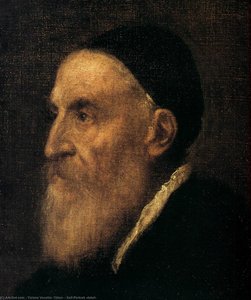 Self-Portrait (detail) - Titian
To gaze upon the weathered features of a master is to witness the very passage of time captured in oil. In this profound meditation on age and authority, Self-Portrait (detail) by Titian emerges as a cornerstone of the top 25 artworks in 'Museo del Prado, Madrid'. Painted in 1566, when the Venetian master was well into his seventies, the work eschews youthful idealism for a raw, psychological realism. The palette is a somber, sophisticated arrangement of deep browns, ochres, and muted blues, focusing the viewer's attention on the artist's face.
The texture of the canvas reveals Titian’s legendary technique; his expressive brushstrokes animate the heavy folds of his black robe, while the luminous, cascading white of his beard serves as a visual testament to a life of immense creative influence. Through subtle sfumato and masterful glazing, he creates an atmospheric depth that feels both intimate and monumental. This portrait remains essential because it transcends mere likeness, offering a dignified, unflinching look at human experience that continues to command presence and transform any space it inhabits.
The Cure of Folly (Extraction of the Stone of Madness) - Hieronymus Bosch
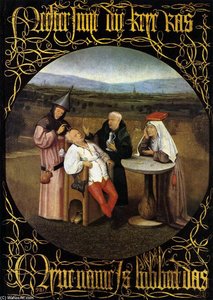 The Cure of Folly (Extraction of the Stone of Madness) - Hieronymus Bosch
To stand before the works of the Northern Renaissance is to confront the beautiful, often grotesque, complexities of the human psyche. Few pieces capture this tension as vividly as The Cure of Folly (Extraction of the Stone of Madness) by Hieronymus Bosch . Within the halls of the Museo del Prado, Madrid, this masterpiece serves as a window into the late medieval mind, where superstition and burgeoning science collided. The scene is unsettlingly intimate: a surgeon performs a bizarre procedure to remove a stone from a patient's head, surrounded by a crowd of monks, nuns, and commoners.
Bosch’s brushwork brings a startling clarity to every detail, from the clinical tools on the table to the symbolic tulip that hints at intellectual pretension. The palette, though grounded in earthy tones, is punctuated by the sharp, surreal imagery that defines his legendary style. As one of the top 25 artworks in 'Museo del Prado, Madrid', this painting remains a profound exploration of madness and enlightenment. Its ability to evoke both curiosity and unease ensures that it continues to transform any space with its haunting, timeless presence.
Paradise and Hell - Hieronymus Bosch
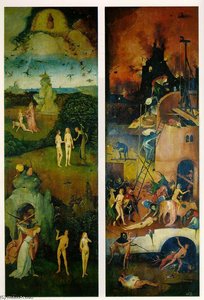 Paradise and Hell - Hieronymus Bosch
To encounter Paradise and Hell by Hieronymus Bosch is to stand before one of the most profound psychological enigmas in the Museo del Prado collection. This double-sided masterpiece functions as a breathtaking window into the dualities of the human soul, making it an essential pillar among the top 25 artworks in Museo del Prado, Madrid.
On one side, Bosch invites us into a luminous Eden, where soft greens and delicate floral details evoke a sense of divine tranquility and primordial innocence. Yet, with a sudden, visceral shift, the viewer is plunged into a nightmarish inferno; here, vibrant reds and suffocating shadows depict a landscape of grotesque torment and chaotic fire. This striking contrast between celestial grace and demonic frenzy offers an unparalleled emotional depth that continues to captivate collectors. For those seeking to bring a sense of historical gravity and intellectual intrigue to a refined space, Bosch’s ability to weave complex symbolism with surrealist vision provides a timeless legacy of artistic innovation and profound narrative power.
Virgin and Child (Durán Madonna) - Rogier van der Weyden
 Virgin and Child (Durán Madonna) - Rogier van der Weyden
To encounter the Virgin and Child (Durán Madonna) by Rogier van der Weyden is to step into a moment of profound, quiet sanctity. This masterpiece, a cornerstone of the top 25 artworks in Museo del Prado, Madrid, captures the very essence of Early Netherlandish precision. Through his legendary command of oil glazing, Van der Weyden creates a luminous, ethereal glow that breathes life into the Virgin’s crimson robes and the porcelain skin of the Christ child. The painting does not merely depict a religious scene; it redefines the boundaries of emotional intimacy and technical brilliance through its hyper-realistic textures and symbolic depth.
At Mus3ums.com, we believe such transformative beauty should not be confined to museum walls. This work’s ability to command attention through light and grace makes it an ideal centerpiece for a refined office or a private sanctuary. By bringing this level of historical mastery into your professional or residential space, you turn a simple room into a curated gallery, ensuring that every glance at this timeless encounter serves as a powerful statement of sophistication.
Pietà - Rogier van der Weyden
 Pietà - Rogier van der Weyden
Rogier van der Weyden’s Pietà stands as a profound emotional pillar among the top 25 artworks in Museo del Prado, Madrid, capturing a visceral, breathing reality that transcends mere religious iconography. Completed around 1450, this masterpiece moves beyond stylized tradition to invite viewers into a sacred space of shared mourning. The artist utilizes his goldsmith-trained precision to render every heavy fold of drapery and the luminous, tragic highlights on Christ’s lifeless form, creating a sculptural presence that feels tangibly human.
The painting's mastery of chiaroscuro and psychological realism offers an unparalleled study in grief and dignity. For the modern professional or decorator, the work’s deep, velvety shadows and rich, somber tones provide a sophisticated template for creating atmosphere in high-end interiors. Its ability to anchor a room with quiet, monumental gravity makes it a timeless reference for anyone seeking to integrate historical depth and emotional resonance into contemporary architectural design.
St Andrew and St Francis - El Greco
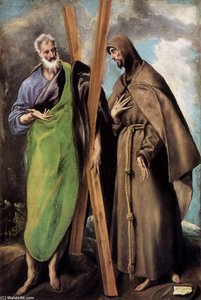 St Andrew and St Francis - El Greco
In St Andrew and St Francis , El Greco captures a profound sense of spiritual communion through the intense, upward-reaching gaze of his subjects. As one of the most significant works among the top 25 artworks in Museo del Prado, Madrid, this painting transcends mere religious iconography to offer a universal mirror of human devotion and inner strength. The figures emerge from a turbulent, swirling sky, their elongated forms anchored by the heavy, weathered wooden cross that symbolizes both sacrifice and redemption.
The masterfully applied impasto technique creates a tactile depth, where the earthy ochres, deep blues, and dramatic shadows of the Baroque style invite the viewer into a state of quiet contemplation. The interplay of light and shadow—the classic chiaroscuro —imbues the scene with an emotional weight that is both haunting and serene. For collectors and decorators looking to curate a space of profound reflection, displaying a reproduction of this masterpiece can transform a personal sanctuary or corporate lounge into an environment of calm, intellectual depth, and timeless elegance.
Birth of St John the Baptist - Artemisia Gentileschi
 Birth of St John the Baptist - Artemisia Gentileschi
While many associate the Baroque era with male masters, Artemisia Gentileschi used her profound personal resilience to command the canvas, turning shadows into a language of strength. In The Birth of St John the Baptist , she does not merely depict a biblical event; she orchestrates a masterclass in tenebrismo . The scene is defined by a dramatic interplay of light and dark, where the stark chiaroscuro directs our eyes toward the radiant, tender glow illuminating the central figures amidst the surrounding gloom.
The technical genius lies in her ability to blend Caravaggio’s intense realism with a unique psychological depth, capturing the raw, tactile reality of childbirth alongside symbols of stability and care, such as the strategically placed chair and bowl. This profound focus on emotional truth and compositional precision makes it one of the essential highlights when exploring the top 25 artworks in 'Museo del Prado, Madrid'. Much like the disciplined ambition required to execute such a complex masterpiece, bringing high-quality, textured oil reproductions into a modern study can foster an atmosphere of sophisticated productivity and timeless inspiration.
Blind Musician - Georges de la Tour
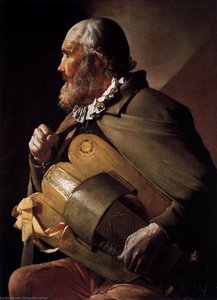 Blind Musician - Georges de la Tour
A single, flickering flame illuminates the profound silence of a soul lost in melody. In Blind Musician by Georges de La Tour, we encounter one of the most evocative entries in our selection of the top 25 artworks in 'Museo del Prado, Madrid'. This masterpiece earns its place through De La Tour’s unparalleled command of tenebrism, where the stark contrast between deep shadows and warm, candlelight glows creates an atmosphere of intense spiritual intimacy.
The painting transcends mere portraiture; it is a study of sensory perception, capturing the musician's internal world through muted earth tones and a striking red backdrop that adds immense depth. The way light clings to the textures of his coat and the curves of his instrument serves as a masterclass in Baroque emotion. At Mus3ums.com, we believe such profound beauty should not be confined to Spanish galleries. Through our high-fidelity oil reproductions, you can bring this transformative, contemplative presence into your own home or corporate space, allowing the quiet drama of De La Tour to inspire a sense of peace and timeless elegance in any modern interior.
Battle between Turks and Christians - Jacopo Tintoretto
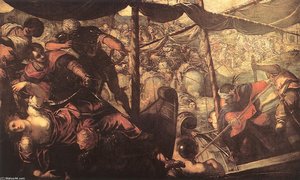 Battle between Turks and Christians - Jacopo Tintoretto
To stand before a canvas of such immense scale is to be swept into the very heart of a storm. In Battle between Turks and Christians by Jacopo Tintoretto, the air feels heavy with the scent of salt spray and the metallic tang of conflict. As one of the most arresting works within the top 25 artworks in Museo del Prado, Madrid, this 1588 masterpiece captures the visceral tension of the Mediterranean power struggles between the Venetian Republic and the Ottoman Empire.
Tintoretto, often called Il Furioso , employs a revolutionary technique where light does not merely illuminate but strikes the scene like lightning. Deep shadows clash with sudden, brilliant highlights on glinting swords and straining muscles, creating a chiaroscuro that pulls you into the chaotic movement of soldiers and boats. The palette is dominated by earthy ochres and blood-red tones, emphasizing the raw, tactile struggle for survival. This painting remains essential because it transcends historical documentation; it is a masterclass in emotional intensity, proving how a single, powerful composition can still command a room and stir the human spirit centuries later.
Conclusion
As the golden light of dusk settles over the halls of the Museo del Prado, we are reminded that these masterpieces are far more than static relics of a bygone era; they are living, breathing presences that continue to pulse with the rhythm of human emotion. To stand before a Velázquez or a Goya is to enter into a silent dialogue with the past, feeling the same tremors of awe, sorrow, and triumph that moved the masters centuries ago. These works do not belong solely to the grand galleries of Madrid; their true purpose is to endure, to inspire, and to illuminate.
We invite you to extend this journey beyond the museum walls and bring this profound sense of history into your own daily life. By integrating these textures, light-drenched landscapes, and soulful portraits into your personal environment, you transform a mere room into a sanctuary of creativity and grace. Let the depth of an oil brushstroke or the dramatic shadow of a Baroque composition serve as a constant, quiet reminder of the enduring beauty of the human spirit. Whether through a large-scale centerpiece or a delicate study, you can curate a space that breathes with the same timeless elegance found in Spain's greatest treasure. Explore our full collection and discover how these eternal echoes of art can become a permanent part of your world.