



The Strategic Value of Art in the Modern Workplace
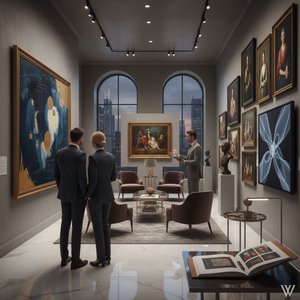
For centuries, art has served as a reflection of society, a chronicle of human experience, and a powerful tool for communication. While historically relegated to galleries and private collections, its presence within the corporate sphere is undergoing a profound re-evaluation. Today’s forward-thinking businesses recognize that art isn't merely decorative; it’s a strategic asset capable of shaping culture, influencing perception, and driving innovation. This shift stems from a growing understanding of how our surroundings impact cognitive function, emotional wellbeing, and ultimately, productivity. The sterile environments of the past are giving way to spaces designed to inspire, engage, and foster creativity – and art is central to this transformation.
The roots of corporate art collecting can be traced back to the mid-20th century, but its initial motivations were often rooted in public relations. Companies sought to project an image of sophistication and cultural awareness. However, a more nuanced approach has emerged, one that prioritizes authenticity and alignment with core values. A carefully curated collection speaks volumes about a company’s identity, signaling its commitment to innovation, sustainability, or social responsibility. It's no longer enough to simply *have* art; it must resonate with the organization’s ethos and create a meaningful experience for employees and clients alike.
Curating a Collection: Aligning Art with Your Brand Identity
The process of building a corporate art collection begins not with aesthetics, but with introspection. What does your company stand for? What message do you want to convey? Consider the emotional tone you wish to evoke – is it one of dynamism and progress, or perhaps tranquility and trustworthiness? These fundamental questions will guide your selection process, ensuring that every piece contributes to a cohesive narrative.
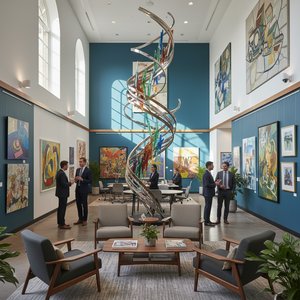
Color psychology plays a crucial role here. Cool blues and greens can foster a sense of calm and focus, ideal for collaborative workspaces. Vibrant reds and yellows inject energy and stimulate creativity, suitable for brainstorming areas or innovation hubs. Abstract art offers a unique opportunity to express complex ideas without being overly prescriptive, allowing viewers to interpret the work through their own lens. Conversely, representational art – landscapes, portraits, still lifes – can evoke specific emotions and create a sense of familiarity. The key is to strike a balance that reflects your brand’s personality and resonates with your target audience.
Beyond style and color, consider the narrative potential of each piece. A series of works by local artists might demonstrate a commitment to community engagement. Artwork depicting historical figures or events can convey a sense of legacy and tradition. The possibilities are endless, but every choice should be deliberate and purposeful.
Navigating Styles & Mediums: Choosing Artwork for Impact
The sheer diversity of artistic styles and mediums can feel overwhelming. From the bold brushstrokes of Impressionism to the geometric precision of Cubism, each movement offers a unique aesthetic vocabulary. Understanding these nuances is essential for making informed decisions.
Oil paintings, with their rich textures and enduring quality, remain a classic choice, lending an air of sophistication and permanence. Sculptures add dimensionality to a space, creating focal points and inviting tactile exploration. Prints, particularly giclée prints on high-quality canvas, offer an affordable alternative without sacrificing visual impact. For tech-forward companies, exploring digital art or incorporating interactive installations can demonstrate innovation and embrace cutting-edge technology.
The choice of medium should also consider the specific environment. Large-scale murals can transform expansive lobbies into immersive experiences, while smaller prints are ideal for individual offices or meeting rooms. Consider the lighting conditions – certain artworks may appear differently under natural versus artificial light. And don’t underestimate the power of texture; a heavily impastoed painting will create a different visual experience than a smooth, minimalist canvas.
Practical Considerations: Installation, Maintenance & Procurement
Selecting the artwork is only half the battle. Proper installation and ongoing maintenance are crucial for preserving its beauty and ensuring its longevity. Professional art handlers can ensure that pieces are securely mounted and protected from damage. Consider factors such as wall strength, lighting angles, and potential exposure to moisture or sunlight.
Regular cleaning is essential for maintaining the vibrancy of your collection. Dusting with a soft cloth is usually sufficient for paintings and prints, while sculptures may require more specialized care. Avoid harsh chemicals or abrasive cleaners, which can damage the artwork’s surface. For valuable pieces, consider investing in professional conservation services to address any potential issues before they escalate.
Procurement options range from traditional art galleries and auction houses to online platforms like , offering a vast selection of reproductions and custom commissions. When working with an online provider, be sure to verify their credentials and review customer testimonials. Look for companies that offer high-quality materials, expert craftsmanship, and secure shipping.
Investing in Atmosphere: The ROI of Corporate Art Consulting
While the aesthetic benefits of corporate art are readily apparent, its return on investment extends far beyond visual appeal. Studies have shown that thoughtfully curated artwork can boost employee morale, enhance creativity, reduce stress levels, and improve overall productivity. It can also create a more welcoming and memorable experience for clients, strengthening relationships and fostering trust.
For businesses seeking to maximize these benefits, engaging a professional art consultant is a wise investment. A skilled consultant will work closely with you to understand your brand identity, assess your space, and develop a customized art strategy that aligns with your goals. They can also handle the entire procurement process, from sourcing artwork to managing installation and maintenance.
Ultimately, investing in art is an investment in your company’s culture, its people, and its future. It's a statement about your values, your vision, and your commitment to creating a truly inspiring workplace.