



The Historical Resonance: Art as a Symbol of Status & Cultural Capital
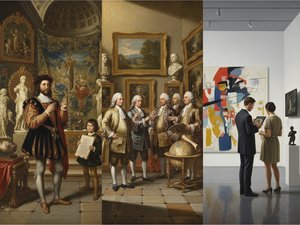 The Patron's Gaze: Art Collectors in Western Painting – A Renaissance to Modern History
Explore the fascinating history of art collectors in Western painting, from Renaissance patrons to modern museum founders. Discover how portraits revealed status, shaped artistic movements & built lasting legacies. Expert insights at Mus3ums.
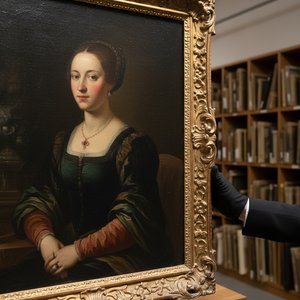
For centuries, art has transcended its material form to become a potent symbol—a declaration not merely of wealth, but of taste, intellect, and belonging. This enduring association isn’t accidental; it's woven into the very fabric of Western civilization. Consider the Renaissance courts of Italy, where patronage wasn’t simply about commissioning beautiful objects, but actively shaping artistic movements. Families like the Medici understood that surrounding themselves with masterpieces signaled power, refined sensibility, and a commitment to cultural advancement. Portraits weren’t passive representations; they were carefully constructed narratives designed to project an image of authority and sophistication. Artists like Agnolo Bronzino, celebrated for his courtly portraiture, didn't just paint faces—they captured the very essence of an era, embedding symbolic depth within each meticulously rendered detail. The gaze of a subject, the fabrics they wore, even the objects surrounding them spoke volumes to those who understood the visual language of the time.
This tradition continued through subsequent centuries, evolving but never losing its core function: art as a marker of distinction. Aristocratic collections, documented in countless paintings and inventories, weren’t simply displays of affluence; they were statements about lineage, education, and access to exclusive circles. The ability to discern quality, to appreciate nuance, and to acquire works by celebrated artists became synonymous with social standing. The very act of collecting demonstrated a commitment to preserving beauty and supporting the creative spirit—a legacy that extended far beyond the individual owner.
Branding Beyond Aesthetics: How Art Embodies Lifestyle Ideologies
A lifestyle brand is a brand that is intended to embody the values, aspirations, interests, attitudes, or opinions of a group or a culture for marketing purposes. Lifestyle brands seek to inspire, guide, and motivate people, with the goal of making t...
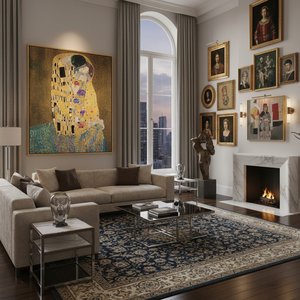
In today’s increasingly competitive luxury market, brands are no longer defined solely by their products; they are recognized as ideologies – complex systems of values, aspirations, and beliefs. This shift has profound implications for the role of art in shaping brand identity. A successful lifestyle brand seeks to inspire and motivate, becoming intrinsically linked to the consumer's self-perception. Art plays a pivotal role in this process, transforming spaces into immersive experiences that resonate with target audiences.
Think beyond simply adorning walls; consider how artwork can communicate a specific worldview. A luxury hotel aiming to project an image of understated elegance might curate a collection of minimalist abstract paintings and sculptures, conveying sophistication and tranquility. Conversely, a private aviation company seeking to attract adventurous clientele could showcase bold, dynamic works that evoke freedom and innovation. The selection isn’t arbitrary; it's a deliberate strategy to attract consumers who share those aspirations. The art becomes a nonverbal communication tool, signaling the brand's values and fostering an emotional connection with potential customers. It is about creating an environment where clients don’t just consume a product or service—they embody a lifestyle.
The Power of 'Aura': Provenance, Storytelling & Perceived Value in Luxury Art Acquisition
 Agnolo Bronzino: Mastering Courtly Portraiture & the Enigmatic Gaze of Renaissance Florence
Explore the captivating world of Agnolo Bronzino, Renaissance master portraitist. Discover his elegant style, symbolic depth & lasting influence on art history. Expert insights for collectors.
The perceived value of artwork extends far beyond its tangible qualities – the canvas, the paint, the brushstrokes. It’s about the intangible sense of history, provenance, and artistic significance that surrounds it—what is often referred to as ‘aura.’ This concept, explored extensively in discussions surrounding art branding, highlights the importance of storytelling and context in influencing purchasing decisions.
A painting acquired from a renowned gallery carries more weight than one purchased anonymously online. Knowing that an artist has exhibited in major museums adds to its allure. The emotional connection forged through this narrative enhances the consumer's sense of ownership and pride. Consider the impact of knowing the history of a piece—the previous owners, the circumstances of its creation, even the stories surrounding the artist’s life. These details transform the artwork from a mere object into a tangible link to the past. The ‘aura’ is cultivated through careful curation, meticulous research, and a commitment to preserving the legacy of both the artist and the work itself.
Art as an Alternative Asset: Investment Potential and Diversification Strategies
An alternative investment, also known as an alternative asset or alternative investment fund (AIF), is an investment in any asset class excluding capital stocks, bonds, and cash. The term is a relatively loose one and includes tangible assets such as...
Beyond its aesthetic and cultural value, art has emerged as a compelling alternative asset class—a diversification strategy for discerning investors seeking opportunities beyond traditional markets. Unlike stocks and bonds, art offers unique characteristics that can provide stability and potential long-term appreciation. While data can be limited compared to more established investment categories, studies suggest that high-quality artwork can yield competitive returns.
However, it’s crucial to approach art as a long-term investment with careful due diligence. Factors like artist reputation, provenance, market trends, and the overall condition of the piece all influence value. Understanding the nuances of the art market requires expertise and access to reliable information. Alternative investments, including art, offer diversification benefits and can serve as a hedge against economic volatility. For investors seeking both financial returns and aesthetic enjoyment, art represents a compelling option.
Curating for Impact: Selecting Artwork that Aligns with Client Vision & Space
Selecting artwork that resonates with a client’s vision requires more than simply choosing aesthetically pleasing pieces; it demands a holistic understanding of their existing décor, personal preferences, and overall lifestyle. The goal is to create an environment that reflects their unique personality and aspirations.
Begin by thoroughly assessing the space—its size, architecture, color palette, and natural light. Is it modern and minimalist or traditional and opulent? What colors and textures dominate the surroundings? Once you have a clear sense of the existing aesthetic, you can begin to curate artwork that complements – rather than clashes with – the environment. Consider scale: a large-scale abstract painting might overwhelm a small room, while a delicate watercolor could get lost in a grand space. Don’t be afraid to experiment with different styles and mediums, but always prioritize coherence and harmony.
Bespoke Creations: Commissioning Custom Artwork for Unique Brand Narratives
Beyond acquiring existing works, commissioning custom artwork offers unparalleled opportunities for personalization and brand storytelling. This approach allows clients to express their unique vision and create a piece that is truly one-of-a-kind—a tangible representation of their values and aspirations.
This can be particularly effective for luxury hotels or corporate spaces seeking to establish a distinct identity. Work directly with artists to develop concepts, refine sketches, and oversee the execution of the artwork. Consider incorporating symbolic elements that reflect the brand's history, mission, or target audience. For example, a hotel might commission a painting depicting local landmarks or cultural traditions. The process itself can be a valuable experience for clients, fostering a deeper connection to the finished piece and reinforcing their commitment to the brand’s narrative.