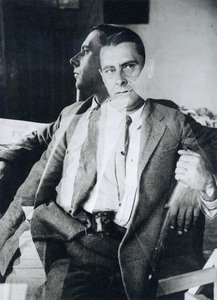
Aleksandr Rodchenko: A Pioneer of Russian Modernism
Early Life and Education
- Born: December 5, 1891, in St. Petersburg, Russia.
- Rodchenko’s family relocated to Kazan after his father's death in 1909.
- Initially self-taught, he gained artistic inspiration from art magazines before formal training.
- He began his studies in 1910 at the Kazan Art School under Nikolai Fechin and Georgii Medvedev, where he met his future wife, Varvara Stepanova.
- Continued his education at the Stroganov Institute in Moscow after 1914.
Artistic Development & Influences
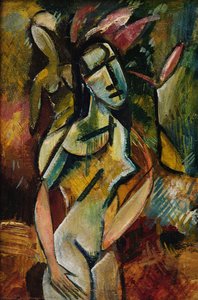
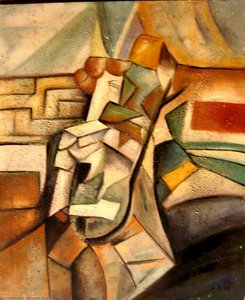
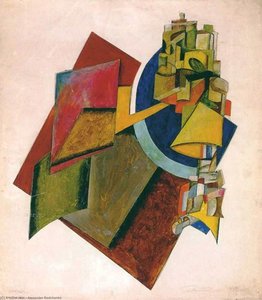
- Early Influences: Rodchenko was profoundly impacted by the avant-garde movements of Cubism and Futurism, which shaped his abstract and austere style.
- He initially experimented with painting, exploring various styles before finding his unique voice.
- His artistic journey involved a constant questioning of traditional art forms and a search for new modes of expression suited to the modern age.
Constructivism & Photographic Innovation
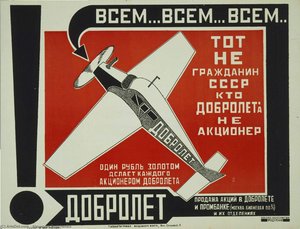
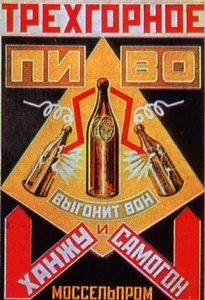
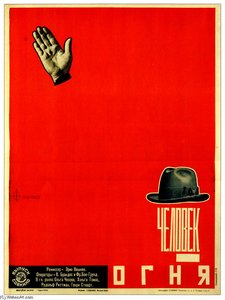
- Co-founder of Constructivism: Rodchenko played a pivotal role in establishing Constructivism, an art movement that rejected purely aesthetic concerns in favor of socially purposeful design.
- He believed art should serve the revolution and contribute to building a new socialist society.
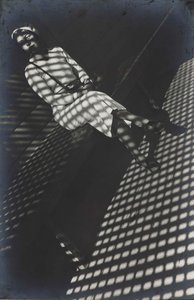
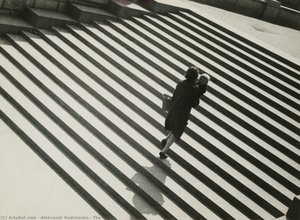
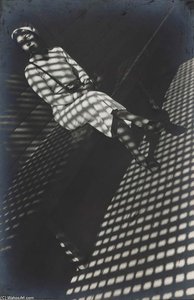
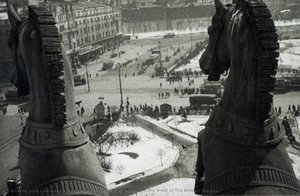
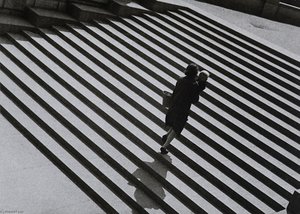
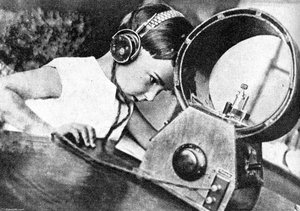
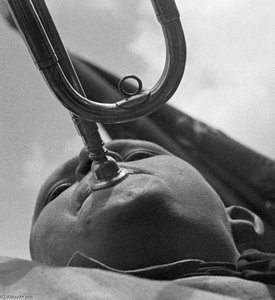
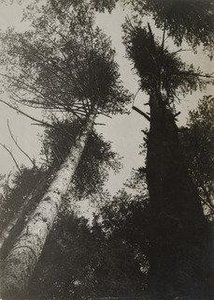
- Photography as a Medium: Rodchenko revolutionized photography, viewing it not merely as documentation but as a powerful tool for social commentary and artistic expression.
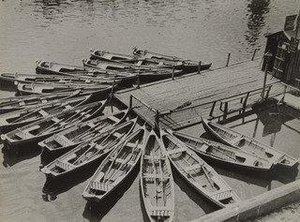
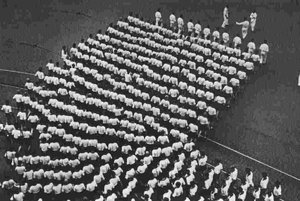
- His photographic work was characterized by dynamic angles, bold compositions, and a focus on everyday life.
Major Works & Achievements
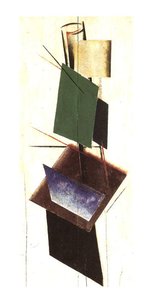
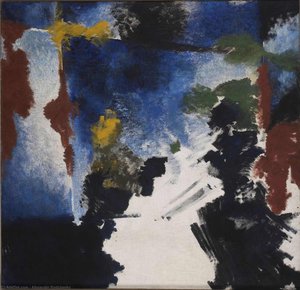
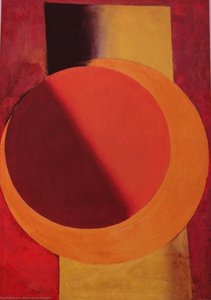
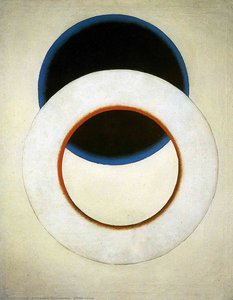
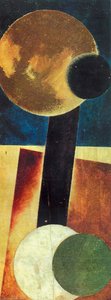
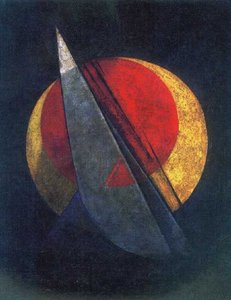
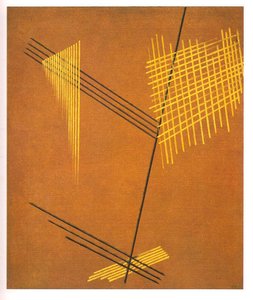
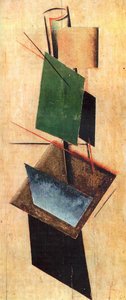
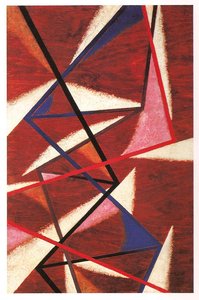
- Notable Paintings: “White Circle” exemplifies his abstract geometric style. Other significant paintings include "Red and Yellow" and "Composition".
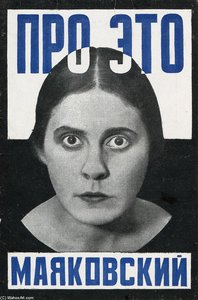
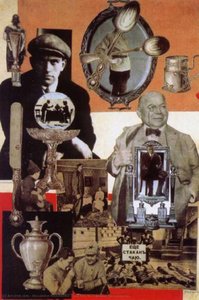
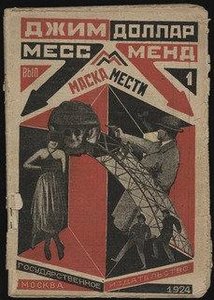
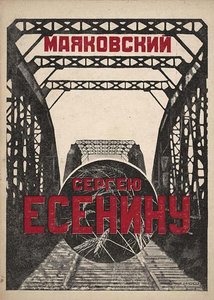
- Photomontage Pioneer: He began experimenting with photomontage in 1923, notably collaborating with Vladimir Mayakovsky on the poem “About This,” creating visually striking compositions.
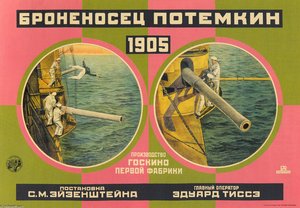
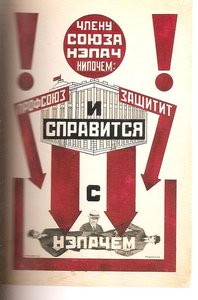
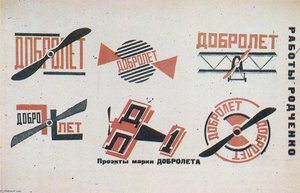
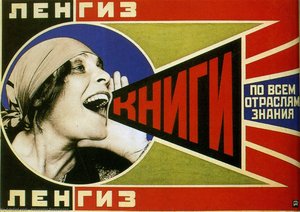
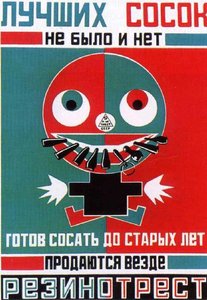
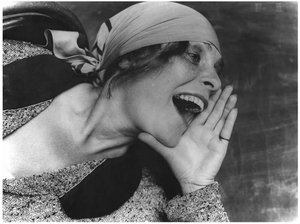
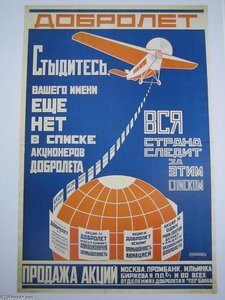
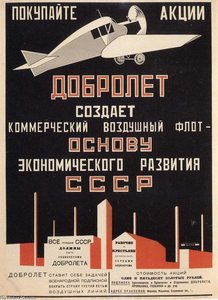
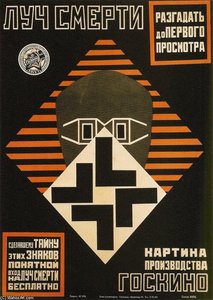
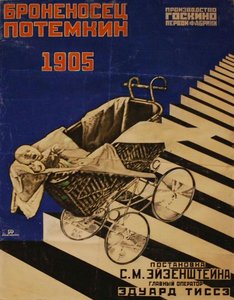
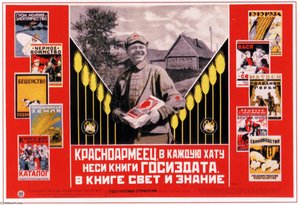
- Graphic Design & Posters: Rodchenko designed impactful posters, including his famous poster for the Lengiz publishing house featuring a young woman with a cupped hand – a symbol of Soviet propaganda and modern design.
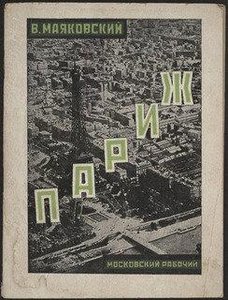
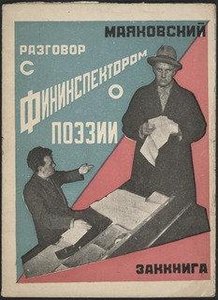
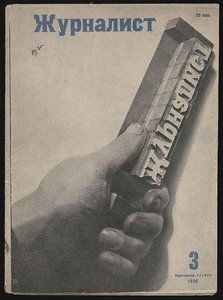
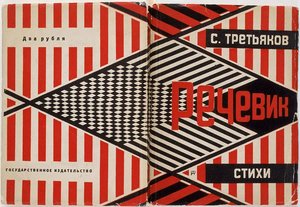
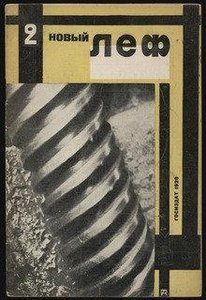
- Books (1924): His book designs were innovative in their typography and layout, reflecting Constructivist principles.
Historical Significance & Legacy
- Rodchenko’s work profoundly influenced the development of 20th-century Russian art and design.
- His innovative approach to photography, painting, and graphic design continues to inspire artists and designers worldwide.
- He challenged traditional artistic conventions and embraced new technologies and materials.
- Museum Collections: His works are held in prominent collections such as the Krasnoyarsk Art Museum (Russia) and the Kramskoy Museum of Fine Arts (Voronezh, Russia).
- He passed away on December 3, 1956, in Moscow, leaving behind a legacy of artistic innovation and social engagement.
Questions & Answers
What are the birthplace and birth year of Aleksandr Rodchenko?
Aleksandr Rodchenko was born in Saint Petersburg in 1891.
In which historical period did Aleksandr Rodchenko work?
Aleksandr Rodchenko worked in the Modern period. The period situates the artist's activity in history.
What are the birth city and country of Aleksandr Rodchenko?
Aleksandr Rodchenko was born in Saint Petersburg, in Russia.