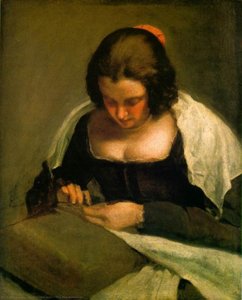
Early Life, Family and Training in Seville
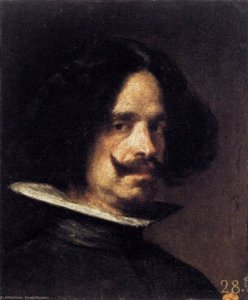
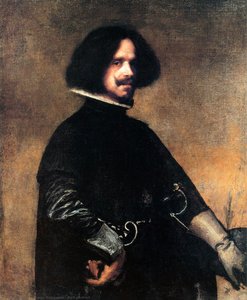
Diego Velázquez was born in Seville, Spain, in 1599. He was the first child of Juan Rodríguez de Silva, a notary or lawyer, and Jerónima Velázquez. His arrival in the world was marked by his baptism at the Church of St. Peter in Seville on Sunday, 6 June 1599.
The boy's path toward painting began early. At the age of eleven, he was apprenticed to Francisco Pacheco, a man who would become a significant influence on his technical foundation. This apprenticeship lasted six years, starting in 1611. Through this training, he learned the essential skills of drawing, painting, and the study of proportion. His life in Seville was deeply connected to his teacher; in 1618, he married Juana Pacheco, the daughter of his mentor. Together, they had two daughters, Francisca and Ignacia.
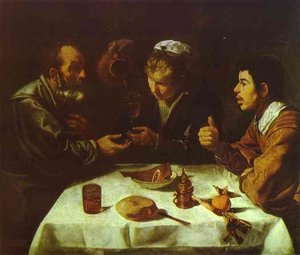
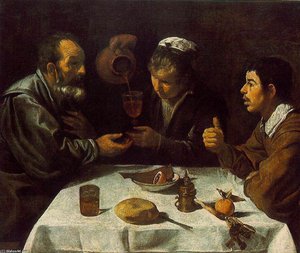
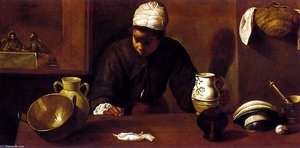
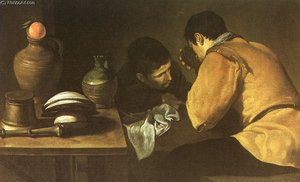
During these formative years in Seville, his work often focused on the quiet details of everyday life and religious subjects. Some of his early output from this period includes:
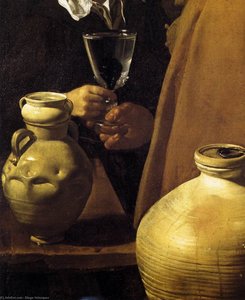
- The Waterseller of Seville (1618–1622)
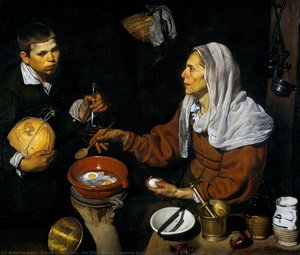
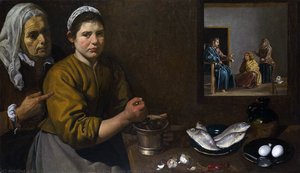
- Old Woman Frying Eggs (1618)
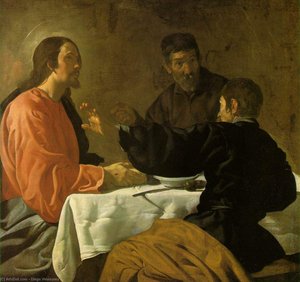
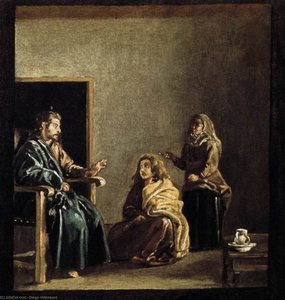
- Christ in the House of Mary and Martha
The Rise to the Spanish Royal Court
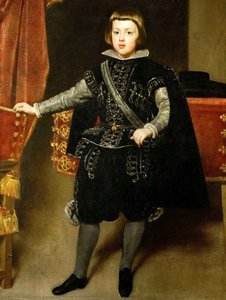
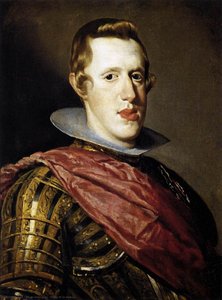
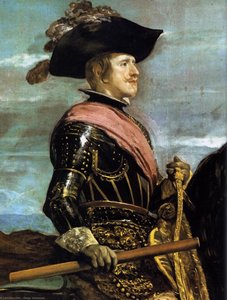
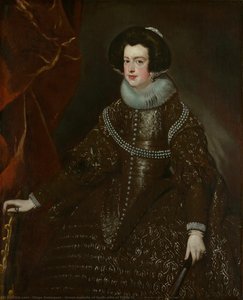
By the early 1620s, the young man from Seville was ready for more than the quiet life of a provincial painter. In April 1622, he traveled to Madrid, a move that would change the course of his life. The connections of his father-in-law helped open doors that few others could enter. By 1623, he was already being asked to paint a portrait of the young King Philip IV. This was a significant responsibility for someone so young, yet it marked the beginning of a lifelong bond with the Spanish crown.
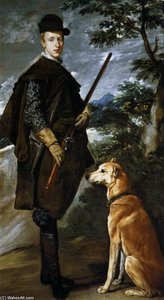
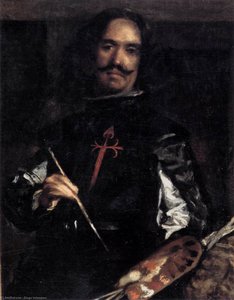
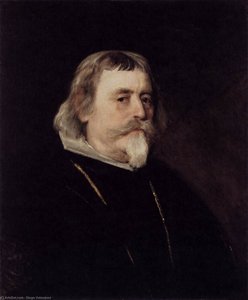
He eventually secured a formal place in the royal service. The arrangement was practical: he received a salary of 20 ducats per month, lodgings, and payment for the specific pictures he produced. This stability allowed him to become the official court painter to King Philip IV of Spain and Portugal. He remained in this position for the rest of his life, moving through the halls of power as a constant presence in the lives of the nobility. His status was not merely professional; it was a climb through the social layers of a highly structured society. In 1658, this ascent reached a personal peak when he was offered knighthood in the Order of Santiago.
Artistic Technique and Evolving Style
In his early years, Velázquez worked within the boundaries of an idealizing style, one rooted in the strictures of Catholic propriety. His training under Francisco Pacheco provided a foundation in these traditional methods, but the young painter soon felt a pull toward something more direct. He began to move away from his teacher's more old-fashioned approach, choosing instead to paint directly from life. This shift allowed him to embrace a naturalism similar to that of Caravaggio, where figures were rendered with a sense of weight and presence that felt immediate and real.
As his hand grew more confident, his method underwent a profound transformation. He moved away from the sharp, photographic realism of his youth toward a style defined by loose brushwork and subtle gradations of tone. He developed a way of handling paint that seemed to capture the very essence of a subject through the careful rendering of volumes and textures. This technique gave his work a miraculous gift for conveying a sense of truth, making the surfaces of fabric, skin, and stone feel tangible to anyone standing before them.
- The Waterseller of Seville (1618–1622)
- Christ in the House of Martha and Mary
Key Works and Masterpieces
In his early years in Seville, Velázquez focused on the quiet, everyday moments of life. In 1618, he completed Old Woman Frying Eggs, a work that captured a simple kitchen scene with a sense of dignity. This was followed by The Waterseller of Seville, which he painted between 1618 and 1622. These early pieces showed a growing ability to handle light and texture in the most common settings.
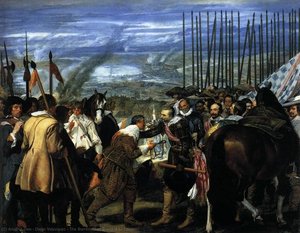
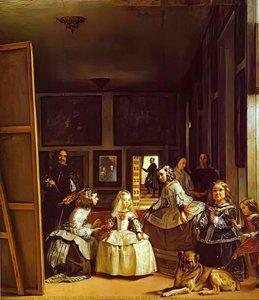
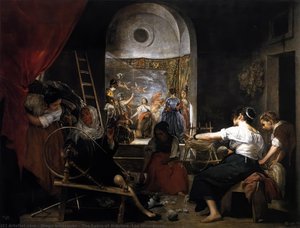
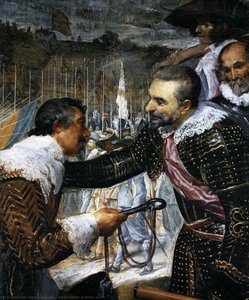
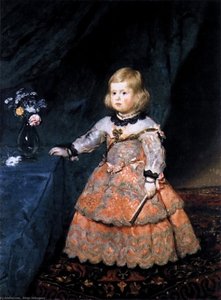
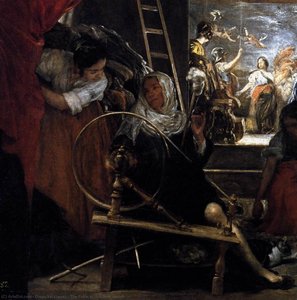
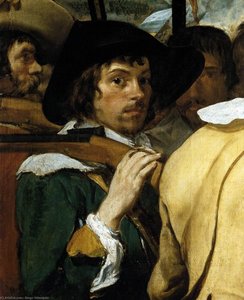
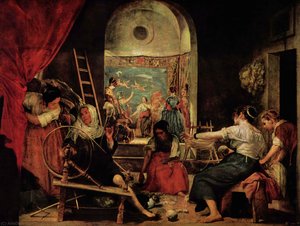
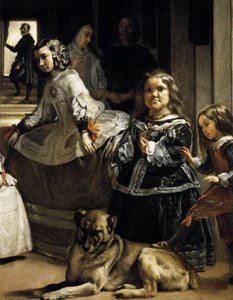
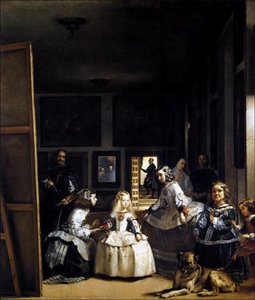
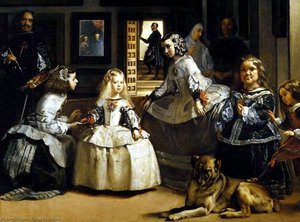
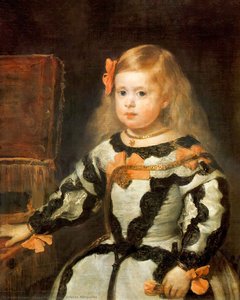
As his career moved toward the royal court, his subjects changed from tavern scenes to the complex figures of the Spanish monarchy. The Surrender of Breda, painted between 1634 and 1635, offered a human perspective on military victory. His later years saw him experimenting with how a viewer perceives space and reality. His 1656 work, Las Meninas, remains a profound puzzle of perspective, placing the Infanta Margarita Teresa and her attendants in a room where the lines between the painted world and the real world blur. Shortly after, in 1657, he produced The Fable of Arachne (Las Hilanderas).
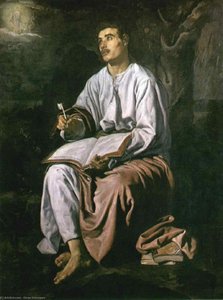
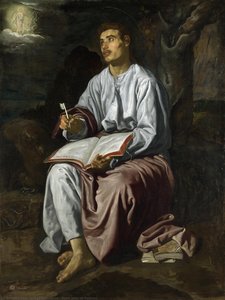
- Saint John at Patmos - National Gallery, London
Legacy and Enduring Influence
The ripples from his brush reached far beyond the Spanish court, altering the direction of Western art. His ability to capture the essence of a person or a moment through light and shadow provided a blueprint for those who followed. In the 19th century, French Realist painters like Gustave Courbet looked to his work as a model for their own commitment to depicting life without idealization. They found in his paintings a way to approach the world as it truly appeared, rather than how it was traditionally imagined.
His influence became even more direct in the hands of later innovators. Édouard Manet found deep inspiration in the composition of Las Meninas, a work that continues to challenge how we perceive the relationship between the viewer and the painted scene. This fascination with his methods prompted Pablo Picasso to create a series of variations on the same subject, deconstructing and reassembling the figures to explore new perspectives. Even the intense, visceral works of Francis Bacon engaged with his paintings through various reinterpretations and homages, proving that his visual language remained potent across centuries.
Where to See the Works Today
To stand before a Velázquez is to encounter the quiet weight of history. Many of his most significant paintings remain in Madrid, housed within the Museo del Prado. This collection offers a deep look into the life he led at the heart of the Spanish court. If you find yourself traveling through Europe, you might also find his hand in the National Gallery in London or the Kunsthistorisches Museum in Vienna. These spaces hold pieces that reflect his ability to capture a person's presence through light and shadow.
His influence reaches far beyond the borders of Spain. In Saint Petersburg, the Hermitage Museum preserves works that show his technical skill. Across the Atlantic, the Metropolitan Museum of Art in New York holds several of his paintings, allowing viewers in the Americas to experience his brushwork firsthand. Even in Edinburgh, the National Gallery of Scotland keeps his work, ensuring his vision remains accessible to those wandering through the city.
- Las Meninas (1656) - Museo del Prado, Madrid
- The Surrender of Breda (1634-1635) - Museo del Prado, Madrid
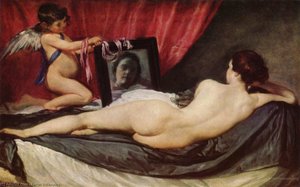
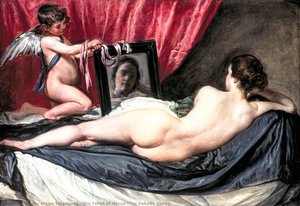
- The Rokeby Venus - National Gallery, London
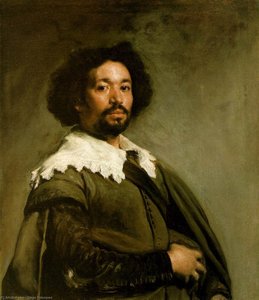
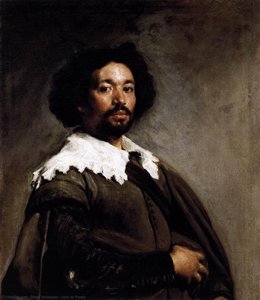
- Juan de Pareja - Metropolitan Museum of Art, New York
- Old Woman Frying Eggs (1618) - National Gallery of Scotland, Edinburgh
Questions & Answers
What other names is Diego Velázquez known by?
Diego Velázquez is also known as Diego Rodríguez De Silva Y Velázquez, Velázquez, Diego Rodriguez De Silva Y Velazquez, Velazquez.
What are the birthplace and birth year of Diego Velázquez?
Diego Velázquez was born in Seville in 1599.
In which historical period did Diego Velázquez work?
Diego Velázquez worked in the Early-Modern period. The period situates the artist's activity in history.