Early Life, Family and Training
Born in Haarlem, Netherlands, in 1628, Jacob Isaackszoon Van Ruisdael entered a world where art was a family trade. He was the son of Isaack van Ruisdael and Maycken Cornelisdochter, growing up within a lineage of skilled makers. His grandfather, Jacob de Goyer, worked as a furniture maker, establishing a domestic environment defined by craftsmanship and technical precision. This heritage of making provided the foundation for a life dedicated to the visual arts.
The trajectory of his development was likely shaped by those closest to him. He was the nephew of Salomon van Ruysdael, a prominent landscape artist of the era. It is widely believed that Jacob Isaackszoon Van Ruisdael received his formal training under the guidance of his uncle, absorbing the nuances of the Dutch landscape through direct apprenticeship. This familial connection offered more than just instruction; it provided a direct link to the established traditions of the Haarlem school.
By 1648, his professional standing was formalized when he became a member of the Haarlem painters' guild. This membership marked his transition from a student of his family's craft to a recognized practitioner in his own right. His early years were spent establishing a presence in this competitive artistic hub, preparing for the broader career that would eventually lead him away from his birthplace.
Life and Career in Amsterdam
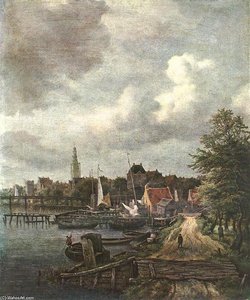
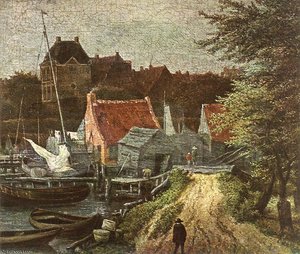
The transition from the quietude of Haarlem to the bustling commerce of Amsterdam marked a definitive shift in Ruisdael's life. He moved to the city around 1656 or 1657, seeking the broader markets offered by the Dutch Republic's commercial heart. This period of relocation was accompanied by personal milestones, including his baptism on 17 June 1657 in Ankeveen, near Naarden. Once settled, he remained in Amsterdam for the rest of his life, establishing himself within the urban landscape he would so frequently document.
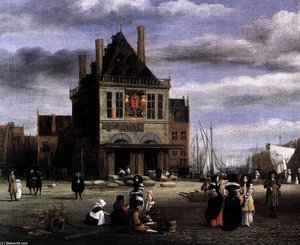
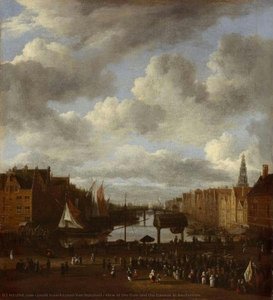
His professional life in the city was characterized by a steady output of diverse subjects, ranging from expansive cityscapes to the intricate details of the Damrak. As he matured, his interests appeared to expand beyond the canvas. In his later years, he is said to have practiced as a physician, a pursuit that suggests a life of intellectual variety alongside his visual observations. This dual existence in the city reflects the multifaceted nature of a man deeply embedded in the social and professional fabric of the Dutch Golden Age.
Technique and Artistic Style
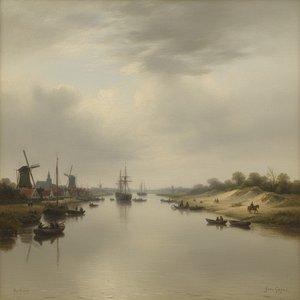
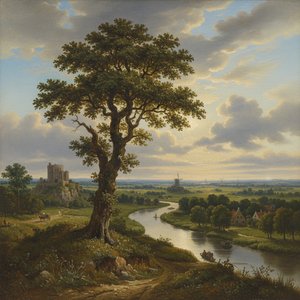
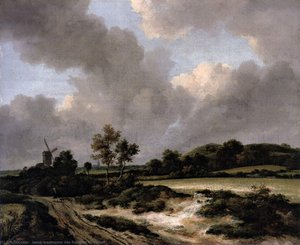
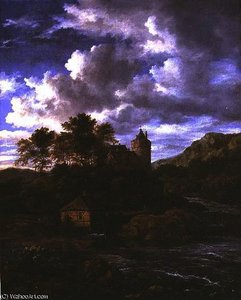
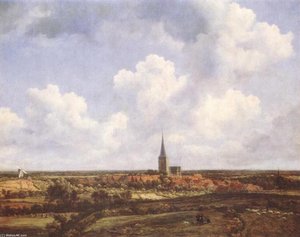
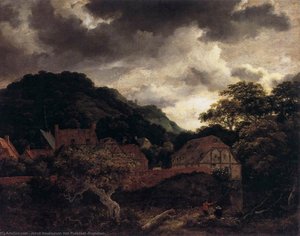
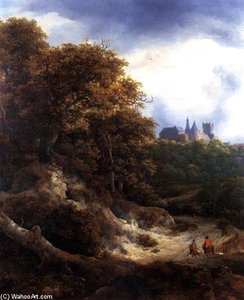
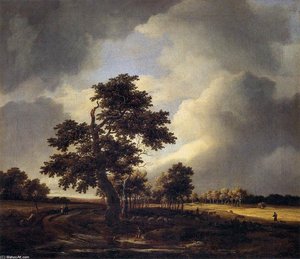
Ruisdael’s approach to the canvas was defined by a restless versatility. He did not settle into a single mode, instead producing a prolific body of work that shifted from quiet countryside scenes to more heroic, expansive landscapes. His technical precision relied heavily on the layering of thin glazes of oil paint. This method allowed him to achieve subtle gradations of color and tone, building a sense of depth that felt lived-in rather than merely painted. Through this patient application, he mastered atmospheric perspective, using the hazy quality of the air to push distant hills and forests into a soft, silvery recession.
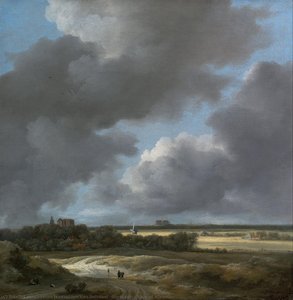
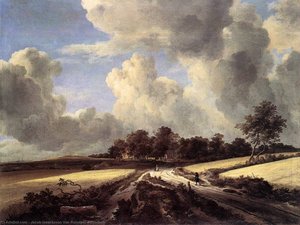
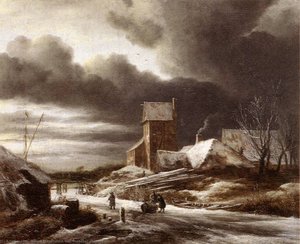
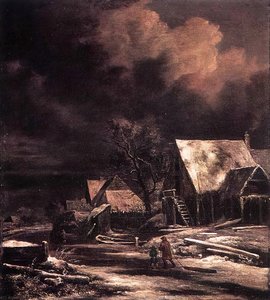
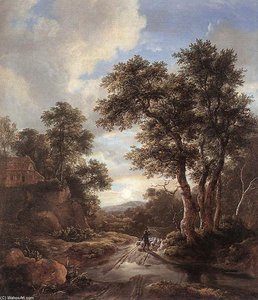
The mood of his work often carried a weight that transcended simple topography. He possessed a particular ability to instill a poetic, sometimes brooding or tragic quality into his compositions. This was achieved through a masterful command of light and shadow. Rather than relying on harsh, jarring contrasts, he used light to shape the emotional temperature of a scene. His compositions were often dramatic, utilizing the vastness of the sky to dwarf the terrestrial elements below. In many of his later works, the sky occupies a significant portion of the frame, acting as a primary driver of the work's internal tension and atmosphere.
Notable and Key Works
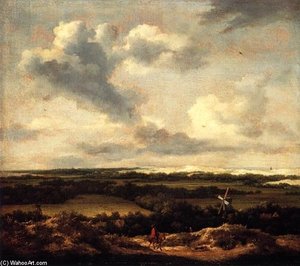
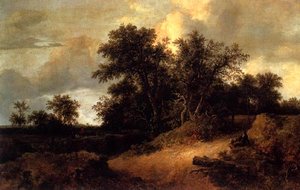
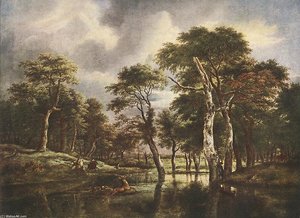
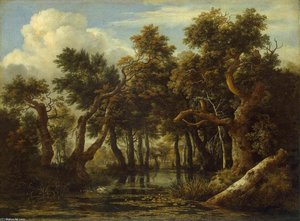
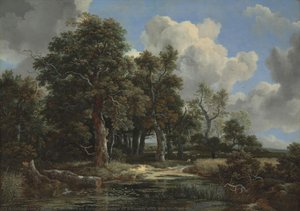
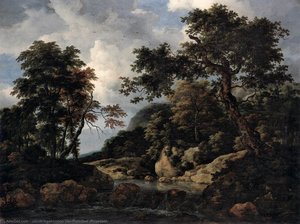
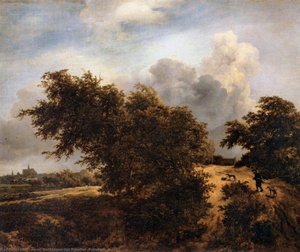
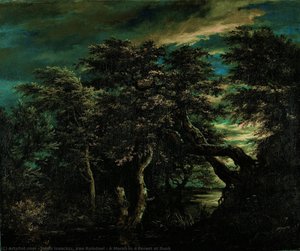
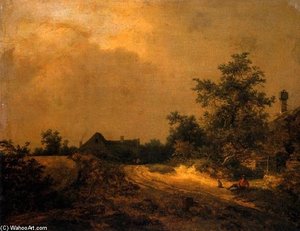
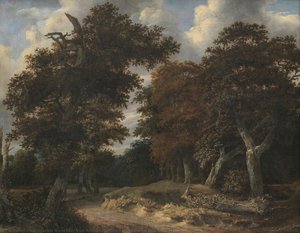
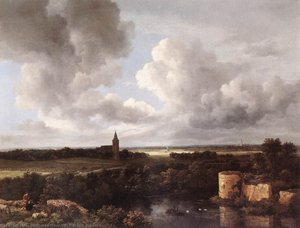
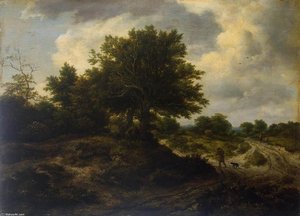
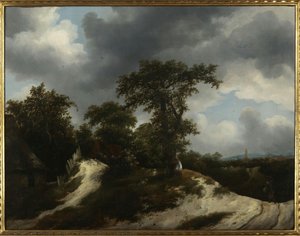
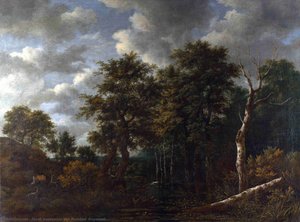
The early output of his career reveals a painter already deeply engaged with the textures of the Dutch countryside. In 1646, he produced Glade in a Wood and Landscape with a Village in the Distance, works that established his ability to organize natural elements into coherent, atmospheric scenes. By 1649, his focus shifted toward the specific topography of his home region, as seen in The Thicket (Path in the Haarlem Dunes). These early years were marked by a growing command over the interplay of light and shadow within dense foliage and open vistas.
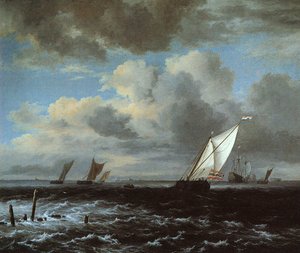
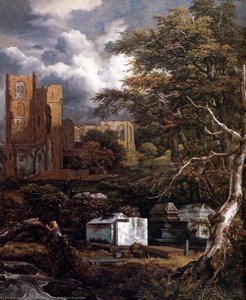
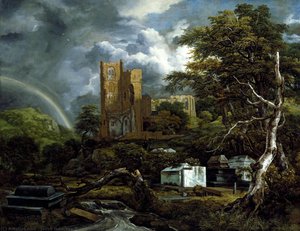
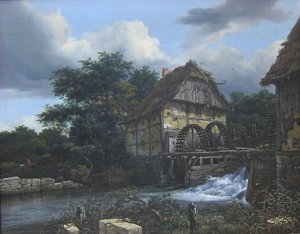
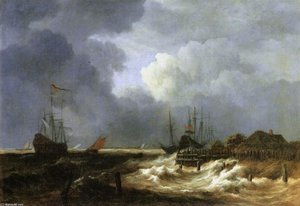
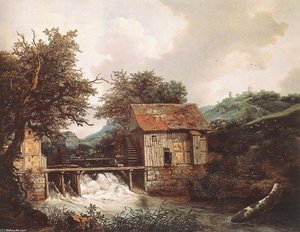
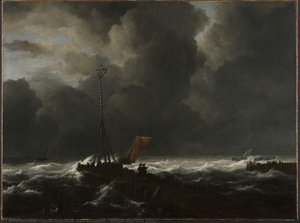
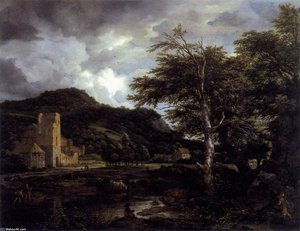
As his technical proficiency matured, his subject matter expanded to include more dramatic and varied environments. The year 1650 proved particularly prolific, yielding works such as The Cloister and the more turbulent Rough Sea at a Jetty. During this period, he also explored the intersection of human industry and nature in Two Watermills and an Open Sluice near Singraven, and captured the quiet solitude of the landscape in Landscape with a Traveller. These compositions demonstrate a sophisticated understanding of scale and the way light defines a specific moment in time.
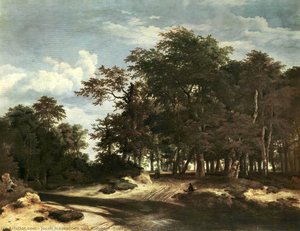
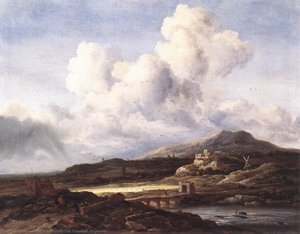
His later compositions often emphasized the structural beauty of the natural world. In 1656, Edge of a Forest with a Grainfield showcased his skill in balancing the heavy presence of woodland with the openness of agricultural land. His ability to render these shifting perspectives helped define the visual language of the Dutch Golden Age.
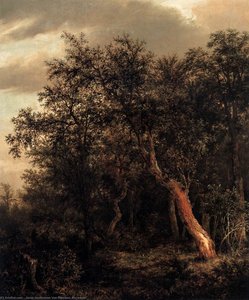
- Glade in a Wood (1646)
- Landscape with a Village in the Distance (1646)
- The Thicket (Path in the Haarlem Dunes) (1649)
- The Cloister (1650)
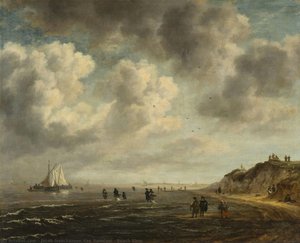
- Rough Sea at a Jetty (1650)
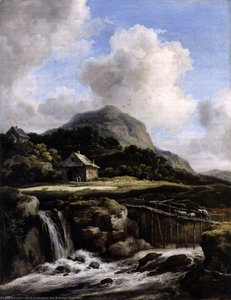
- Two Watermills and an Open Sluice near Singraven (1650)
Legacy and Influence
The reach of Ruisdael’s vision extended far beyond the borders of the Netherlands, reaching into the very foundations of later landscape traditions. He was a Romantic before Romanticism, imbuing the natural world with a sense of moral weight and a brooding, poetic mood that anticipated the emotional intensity of later centuries. This ability to infuse a scene with a specific psychological atmosphere allowed his work to resonate with movements long after his death. His influence helped shape the English Romantics and the Barbizon school in France, and his impact crossed the Atlantic to inform the Hudson River school in the United States.
Within his own country, he inspired generations of Dutch landscape artists, setting a standard for how the countryside could be interpreted through light and shadow. His approach to the environment was never merely topographical; he sought to capture the essence of the land, often using dramatic skies and heavy textures to convey a sense of the sublime. This focus on the atmospheric qualities of nature ensured that his stylistic choices became a cornerstone for those who followed in his footsteps.
Where to See the Works Today
The physical presence of his canvases remains scattered across the major repositories of European and American art. In the Netherlands, the Rijksmuseum in Amsterdam maintains a significant collection of his output, offering a concentrated look at his development. Nearby, the Mauritshuis in The Hague also holds several of his paintings, providing a window into the landscapes that defined his career. His reach extends to the National Gallery in London, where his works are held alongside other significant Dutch masters.
Beyond the borders of the Netherlands, his influence is visible in the permanent collections of several international institutions. The Louvre in Paris and the Hermitage Museum in St. Petersburg both contain his works, ensuring his visual language remains part of the global canon. In the United States, the Metropolitan Museum of Art in New York preserves his paintings, allowing for a continued study of his approach to light and atmosphere.
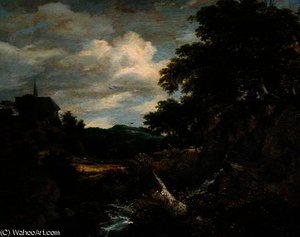
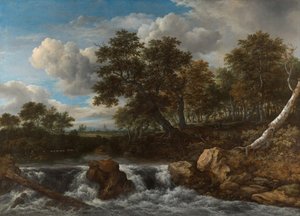
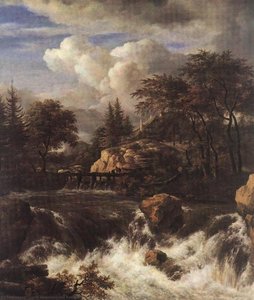
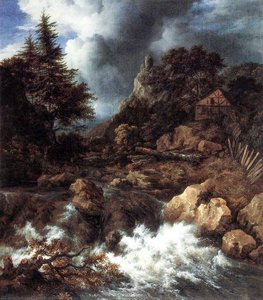
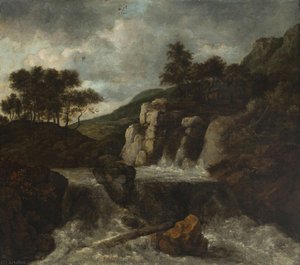
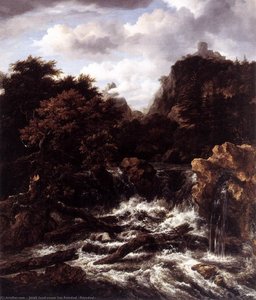
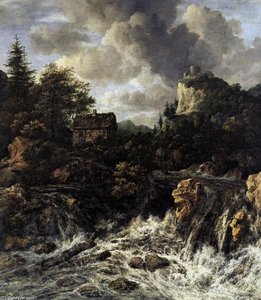
- Landscape with Waterfall, about 1668
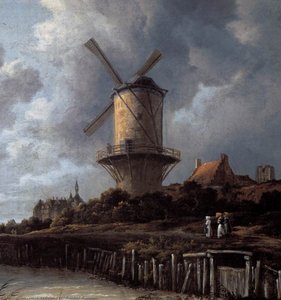
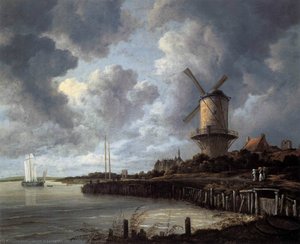
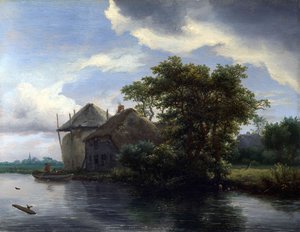
- The Windmill at Wijk bij Duurstede, 1670
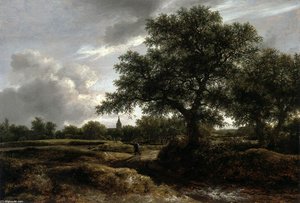
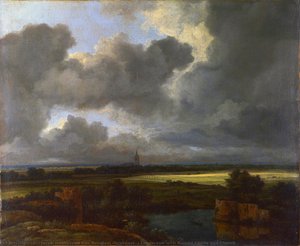
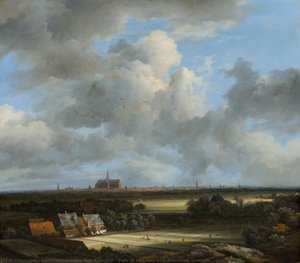
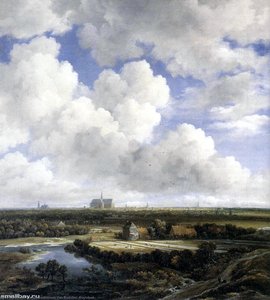
- View of Haarlem with Bleaching Grounds, 1675
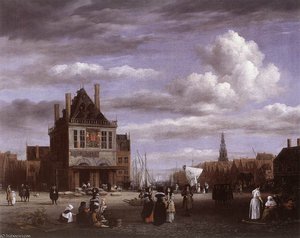
- The Dam Square in Amsterdam (detail), 1670
Questions & Answers
In which historical period did Jacob Isaackszoon Van Ruisdael work?
Jacob Isaackszoon Van Ruisdael worked in the Early-Modern period. The period situates the artist's activity in history.
What are the birth city and country of Jacob Isaackszoon Van Ruisdael?
Jacob Isaackszoon Van Ruisdael was born in Haarlem, in Netherlands.
What are the birthplace and birth year of Jacob Isaackszoon Van Ruisdael?
Jacob Isaackszoon Van Ruisdael was born in Haarlem in 1628.