The Light of Delft
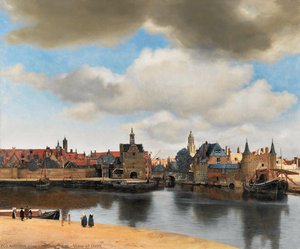
October 1632. A child is baptized in the Nieuwe Kerk in Delft, Netherlands. Johannes Vermeer enters a world defined by the tactile textures of silk and the commerce of art. His father, Reijnier Janszoon, moves through the city as both a weaver of fine materials and an art dealer. This early exposure to the market provides a foundation of material knowledge. The young man learns the value of pigments and the mechanics of trade long before he picks up a brush.
The year 1653 brings a shift in his personal landscape. He marries Catharina Bolnes, a Catholic woman. In a largely Protestant Delft, this union necessitates a conversion. The domestic sphere expands. He moves into her house, settling into the heart of the city. His professional life remains tied to the family business, acting as an art dealer and valuer while he develops his own hand.
The Science of Sight
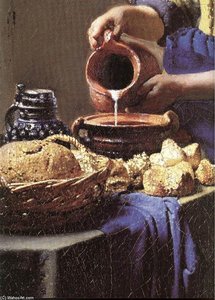
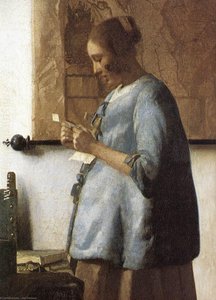
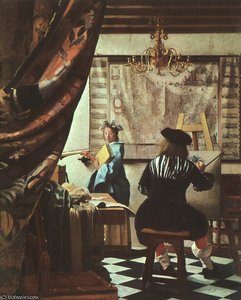
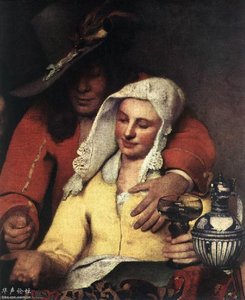
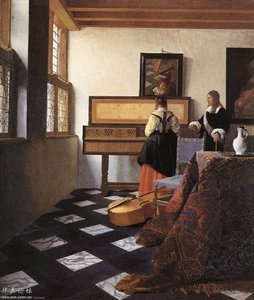
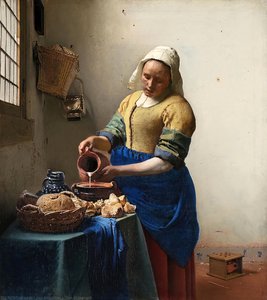
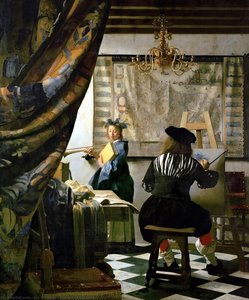
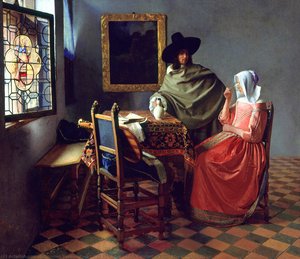
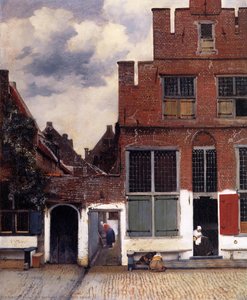
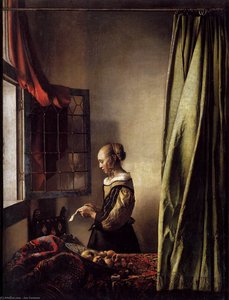
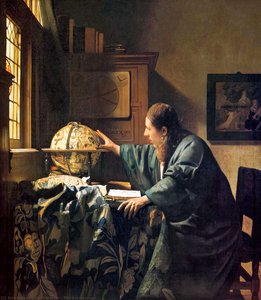
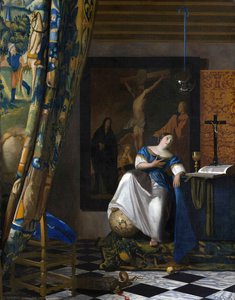
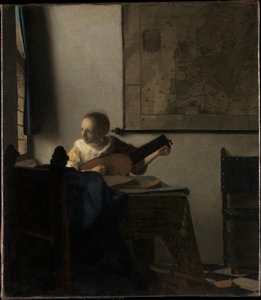
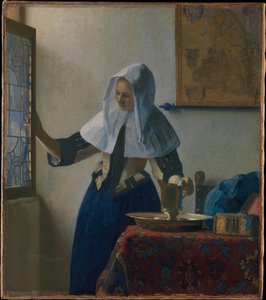
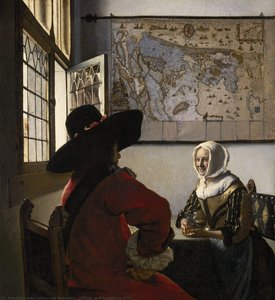
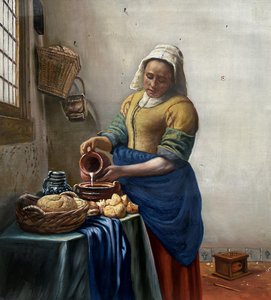
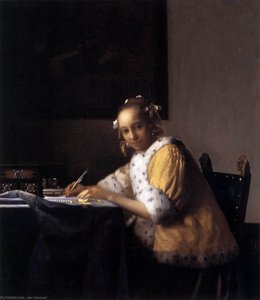
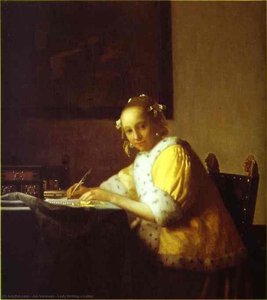
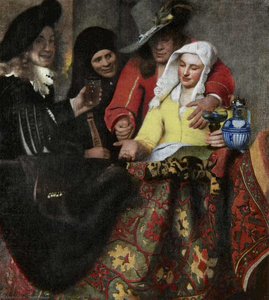
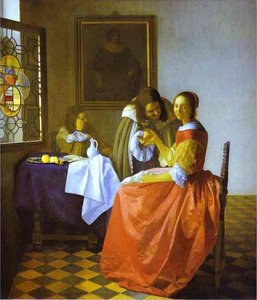
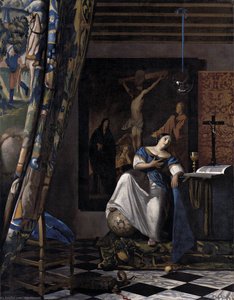
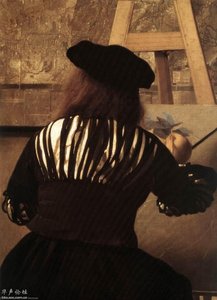
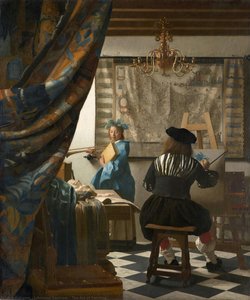
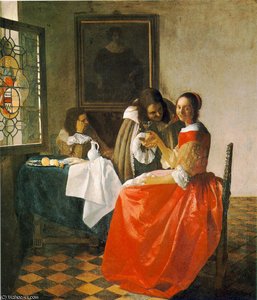
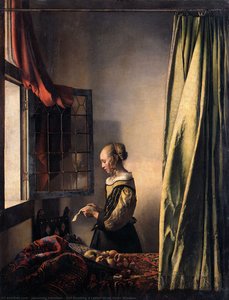
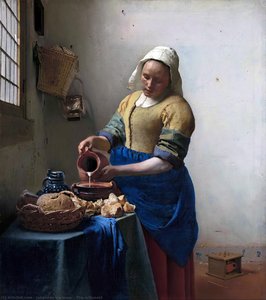
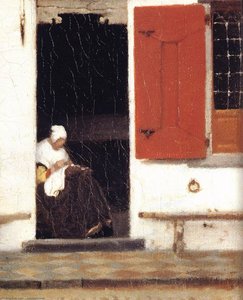
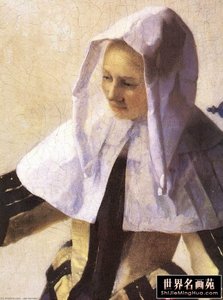
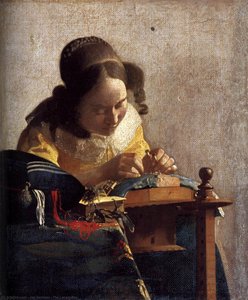
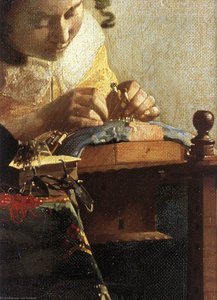
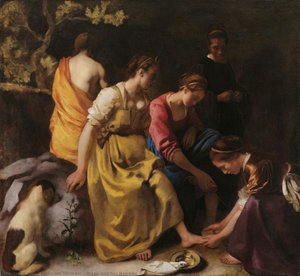
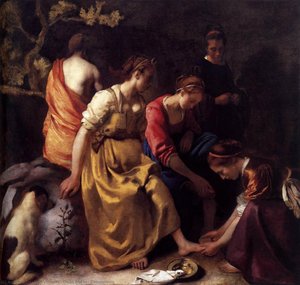
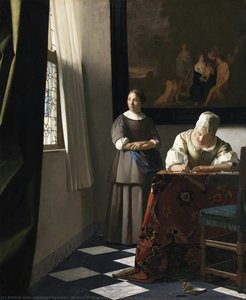
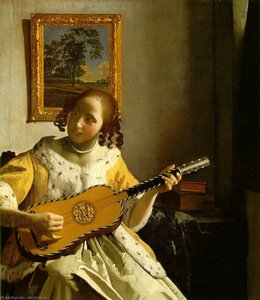
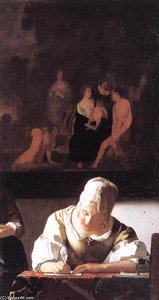
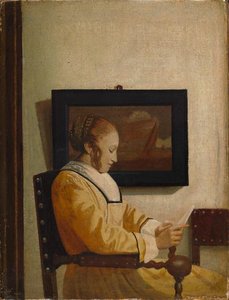
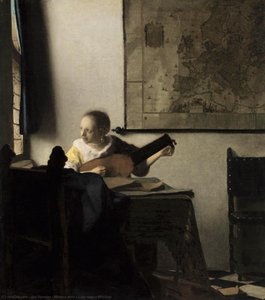
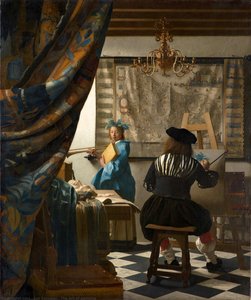
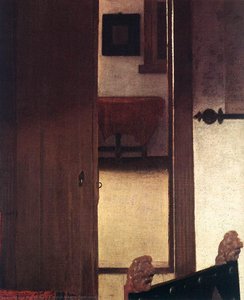
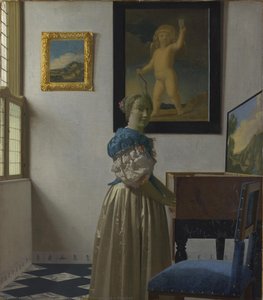
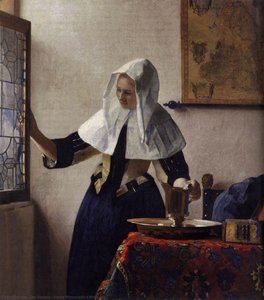
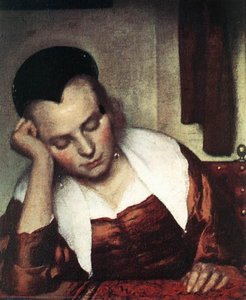
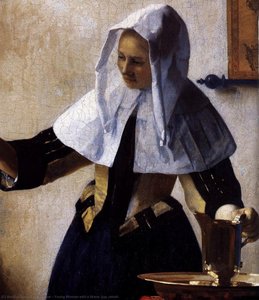
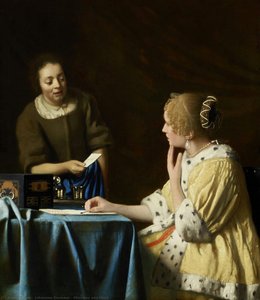
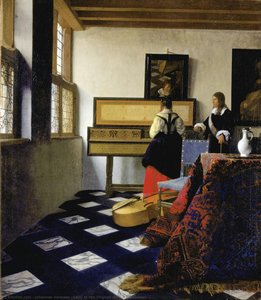
He does not seek the grand scale of historical battles or mythological epics. Instead, his gaze settles on the quiet corners of middle-class interiors. A woman reads a letter; a milkmaid pours liquid into an earthenware container; a lacemaker works in silence. These scenes are constructed through a meticulous, almost scientific approach to optics. He applies paint in thin glazes, building layers that allow light to penetrate and reflect from within the canvas.
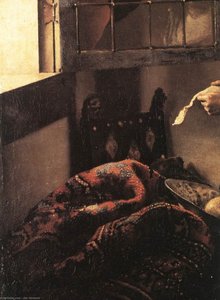
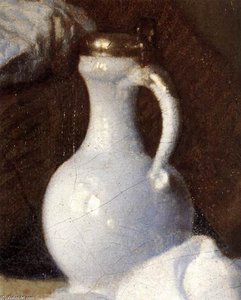
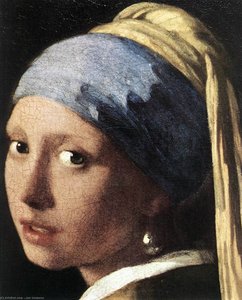
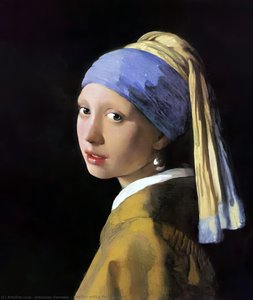
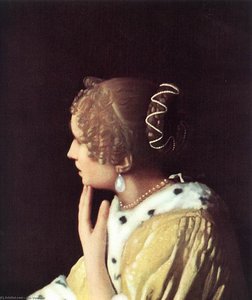
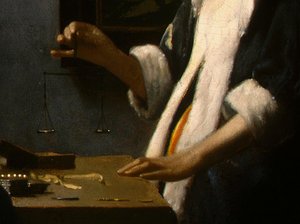
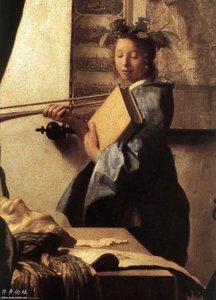
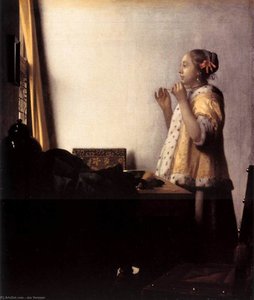
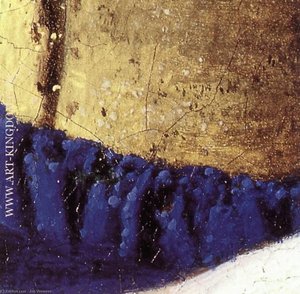
The use of a camera obscura likely informs his precision. He captures how light hits a pearl, a ceramic jug, or a crust of bread with startling accuracy. He renders out-of-focus areas to suggest depth of field, creating an illusion of space that pulls the viewer into the room. His palette relies on expensive materials, including the deep blue of ultramarine derived from lapis lazuli. The light does not merely illuminate his subjects; it defines their very edges.
His technical process is slow. There are no known sketches or preparatory drawings to suggest a hurried hand. Each work is a deliberate undertaking. He focuses on:
- The precise rendering of perspective and architectural detail.
- The subtle gradations of color in domestic textiles.
- The way light interacts with different surfaces, from silk to stone.
A Quiet Obscurity
By December 1675, the light fades. Vermeer dies in Delft at the age of forty-three. He leaves behind a wife and at least eleven children, burdened by debt and the economic downturn of the 1670s. For nearly two centuries, his name recedes from the forefront of art history. He is largely forgotten, overshadowed by more prolific contemporaries. His small body of work, numbering only about thirty-four to thirty-seven paintings, remains tucked away in private collections or local registries.
The nineteenth century brings a rediscovery. Historians like Gustav Friedrich Waagen and Théophile Thoré-Bürger bring his name back to the public eye. They identify the genius in his quietude. The world begins to see the significance of his domestic scenes, recognizing that his ability to capture the essence of a single moment holds a weight that grander narratives often lack. His reputation grows from a provincial painter to a central figure of the Dutch Golden Age.
Questions & Answers
In which historical period did Johannes Vermeer work?
Johannes Vermeer worked in the Early-Modern period. The period situates the artist's activity in history.
What are the birth city and country of Johannes Vermeer?
Johannes Vermeer was born in Delft, in Netherlands.
Where is Johannes Vermeer from?
Johannes Vermeer was born in Netherlands.