Early Life, Family and Training
Francisco José de Goya y Lucientes was born on 30 March 1746 in Fuendetodos, Aragon. He grew up in a lower middle-class household alongside his siblings: Rita, Tomás, Jacinta, Mariano, and Camilo. His father, José Benito de Goya y Franque, worked as a gilder, a trade that required a steady hand and an eye for detail. This domestic setting provided the early, quiet backdrop to a life that would eventually move far beyond the provincial borders of his birthplace.
At the age of fourteen, his formal training began. He studied under José Luzán y Martínez, learning the foundational mechanics of his craft. These early years were spent absorbing the technical requirements of the medium before he eventually moved to Madrid. In the capital, his education continued under Anton Raphael Mengs, a significant figure in the artistic circles of the time. This transition from the provincial instruction of his youth to the formal environment of Madrid shaped the technical precision he would carry into his later years.
Patrons, Workshop and Commissions
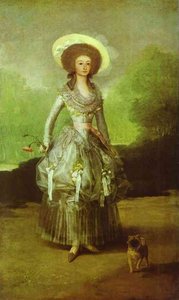
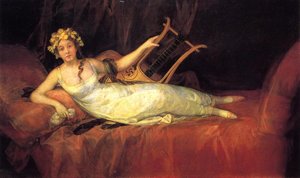
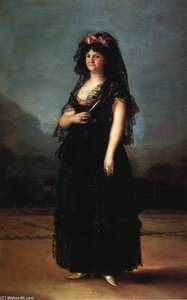
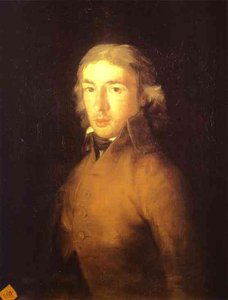
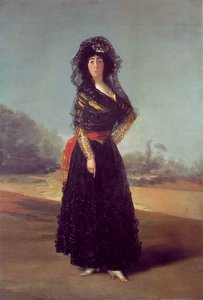
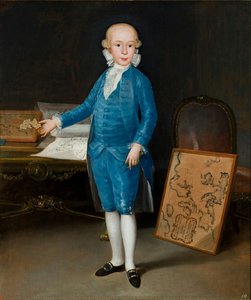
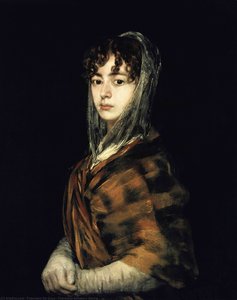
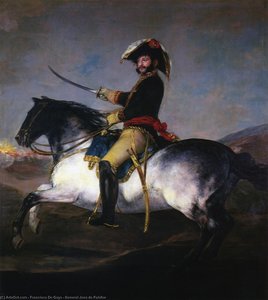
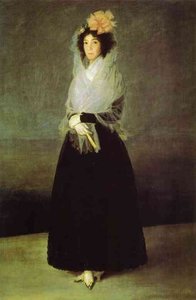
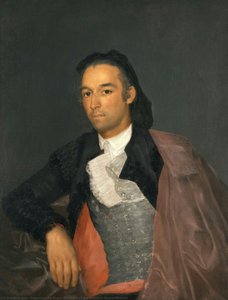
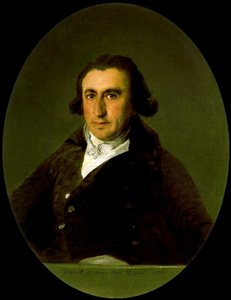
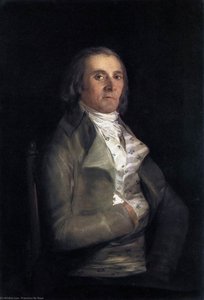
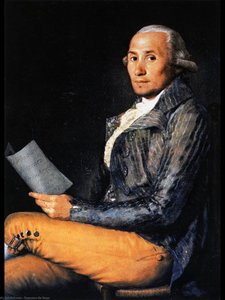
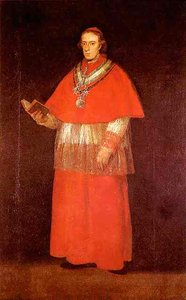
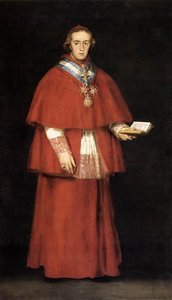
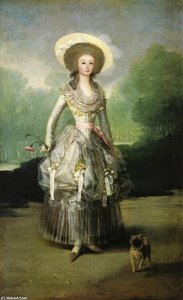
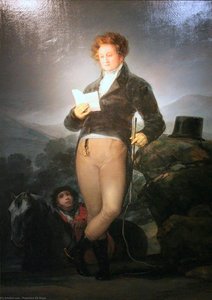
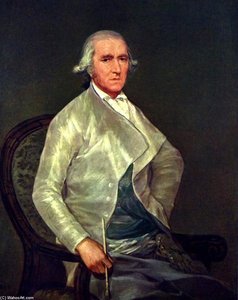
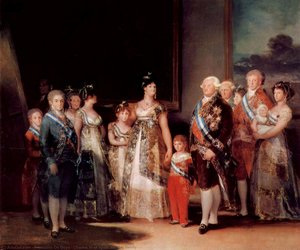
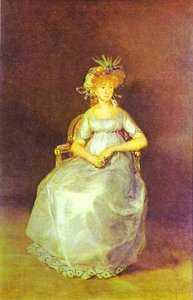
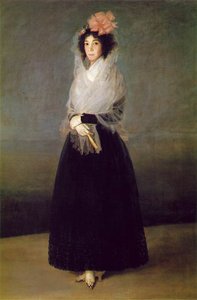
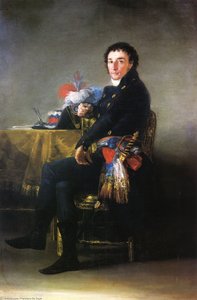
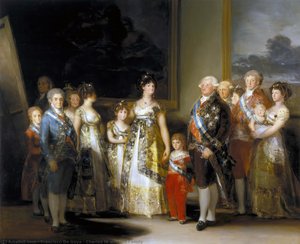
The steady climb through the Spanish court began in 1786, when he was named a painter to the Royal Chamber. By 1790, his position had solidified as the first court painter. His work was tied to the shifting fortunes of the monarchy, serving as a painter to Charles IV and later to Ferdinand VII. These roles brought him into constant contact with the aristocracy, requiring a steady hand for the portraits and official duties expected by the Crown.
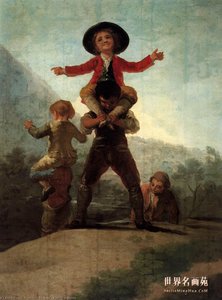
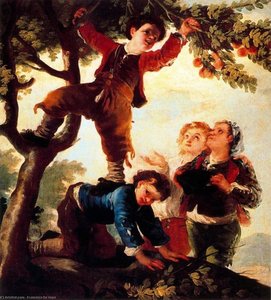
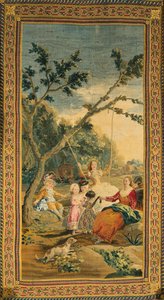
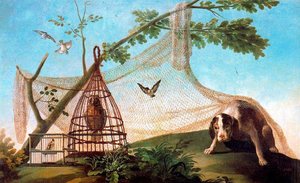
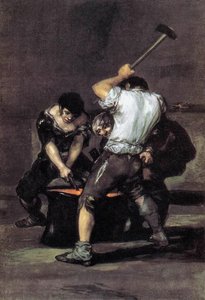
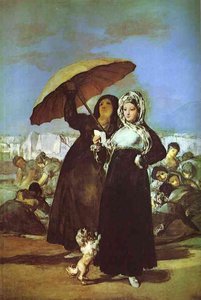
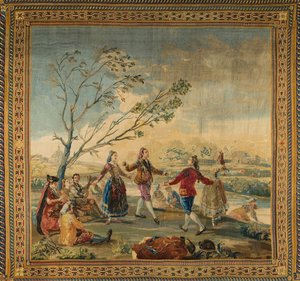
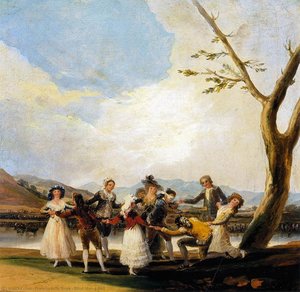
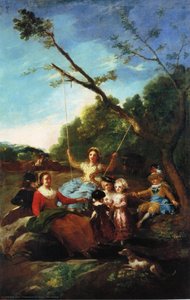
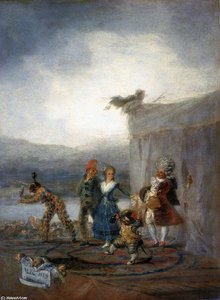
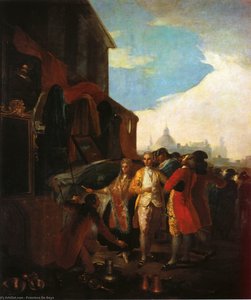
Between 1775 and 1792, much of his output was directed toward the Royal Tapestry Factory at Santa Barbara near Madrid. He produced the preliminary designs for these works, often depicting scenes of daily life and rural settings. These commissions required a specific kind of precision to ensure the imagery translated well from canvas to thread. His studio was a place of constant production, moving from these decorative designs to the more formal, psychological studies of the royal family.
Key Works and Artistic Periods
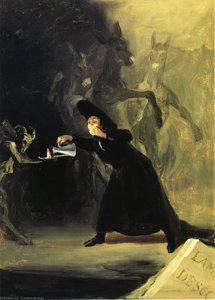
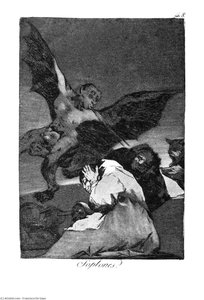
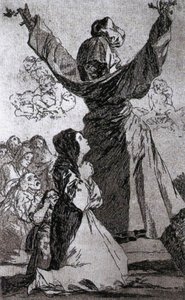
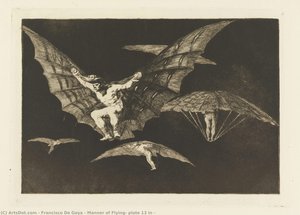
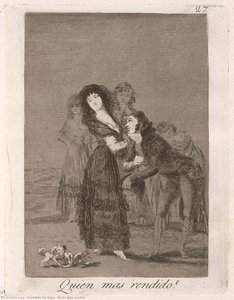
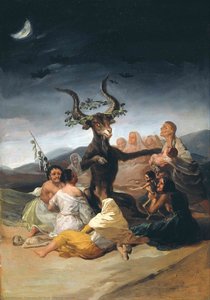
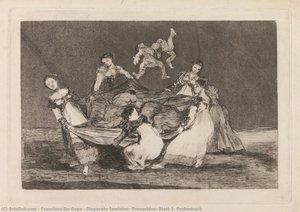
The shift in his work became visible as his world grew quieter. In 1799, he produced Los Caprichos, a series of eighty etchings. These prints used aquatint to look at the follies and superstitions of Spanish society, populating the pages with witches and monsters. This period of intense observation continued through the years of conflict in Spain. Between 1810 and 1820, he created The Disasters of War, a series of etchings that recorded the brutality and starvation of the Peninsular War. These works do not look for heroism; they focus on the raw suffering of the people.
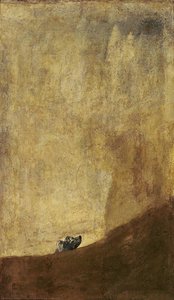
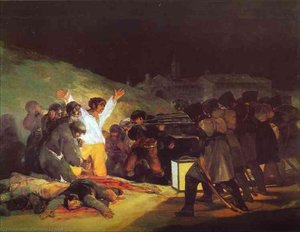
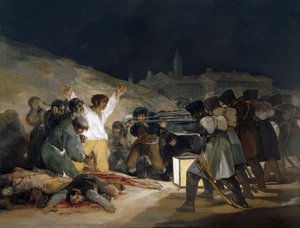
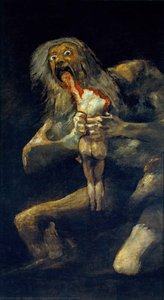
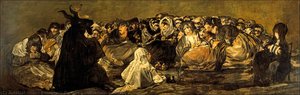
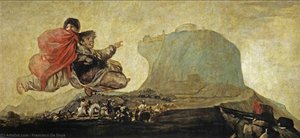
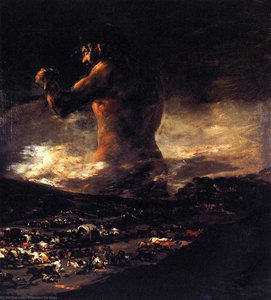
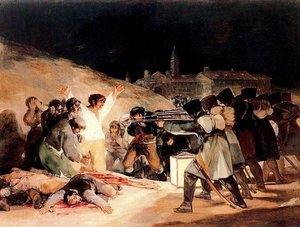
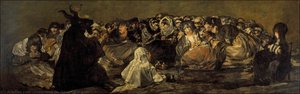
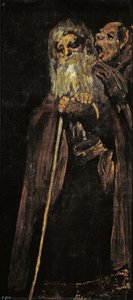
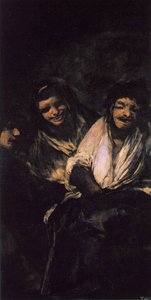
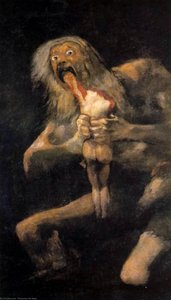
By 1814, he had completed The Third of May 1808, a painting that captures the execution of defenders in Madrid. As he moved into his later years, his focus turned toward the walls of his home, the Quinta del Sordo. Between 1819 and 1823, he painted the Black Paintings directly onto the plaster. These murals, including Saturn Devouring His Son and Asmodea, deal with madness and existential dread. They are heavy, dark, and stripped of the lighter themes of his earlier years.
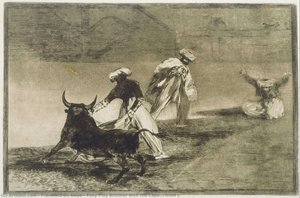
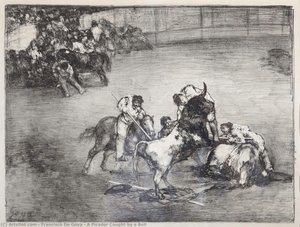
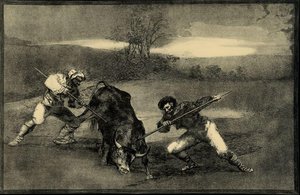
In his final years in Bordeaux, he turned his attention to the spectacle of the bullring. This resulted in the La Tauromaquia series, which explored the violence of the bullfight. His output remained steady until his death, moving from the social critiques of his youth to the deep, private shadows of his later life.
- The Third of May 1808 (1814)
- Los Caprichos (1799)
- The Disasters of War (1810–1820)
- The Black Paintings (1819–1823)
- La Tauromaquia (undated)
Technique and Style
His hands moved through a wide range of textures and methods. In his printmaking, he utilized aquatint to create tonal depth and experimented with lithography in his later years. These technical choices allowed him to move between the sharp, biting lines of satire and the softer, more atmospheric qualities of his drawings. His output was varied, shifting from the social critiques found in Los Caprichos to the heavy, visceral depictions of the Disasters of War. He also turned his attention to the spectacle of the bullring in his La Tauromaquia series.
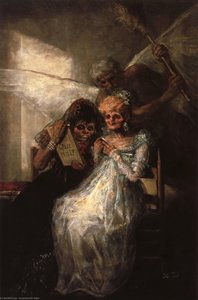
The way he applied paint changed as his life became more isolated. For the Black Paintings, he did not use a traditional canvas. Instead, he applied oil paint directly onto the plaster walls of his home. This method resulted in a heavy, somber quality that captured a sense of psychological weight. His work often moved from the lighter, more decorative scenes of his early career toward a style that prioritized expressive freedom. This shift is visible in the way he handled light and shadow to reveal character rather than just a likeness.
- Saturn Devouring His Son
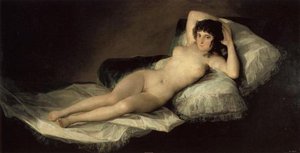
- The Nude Maja (La Maja Desnuda)
- The Third of May, 1808
Later Years and Death
By 1819, Goya was in his mid-seventies when he retreated to the Quinta del Sordo, a farmhouse on the outskirts of Madrid. The walls of this house became a canvas for his most intense and private visions, where he applied oil paint directly onto the plaster to create the Black Paintings. These works, including Saturn Devouring His Son and Asmodea, emerged from a period of deep isolation. He continued to produce work that explored the darker, more unsettling corners of the human psyche during these years.
Political unrest in Spain eventually prompted a change in his surroundings. In 1824, he sought exile in Bordeaux, France. He remained there, continuing his practice and focusing on printmaking, until his death on 16 April 1828. His final years in Bordeaux were marked by a renewed interest in the spectacle of the bullring, seen in his La Tauromaquia series.
- Saturn Devouring His Son
- Asmodea
- La Tauromaquia
Legacy and Influence
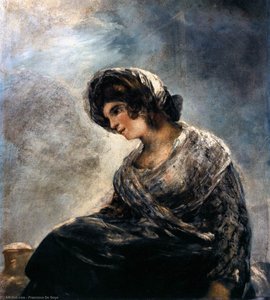
The weight of his work sits heavily between two eras. He is often called the last of the Old Masters and the first of the moderns, a position that marks the transition from the structured traditions of the past to the expressive freedom of the new. As a leader of the Romanticism movement, he moved away from the polished surfaces of his early courtly years toward a style that prioritized the raw reality of the human condition. His ability to capture the psychological truth of a sitter, even in the most unsettling or dark compositions, changed how artists approached the canvas.
This shift toward a more subjective and intense way of seeing left a mark on those who followed. His influence reaches through the decades, appearing in the works of Édouard Manet and Pablo Picasso. Later, the visceral, distorted energy found in the paintings of Francis Bacon carries echoes of the darkness Goya explored. He remains the most important Spanish artist of the late eighteenth and early nineteenth centuries, having bridged the gap between the formal requirements of the Spanish Crown and the inward, often turbulent, explorations of the individual spirit.
- The Third of May, 1808
- Saturn Devouring His Son
- La maja desnuda
Questions & Answers
In which historical period did Francisco José de Goya y Lucientes work?
Francisco José de Goya y Lucientes worked in the Early-Modern period. The period situates the artist's activity in history.
What other names is Francisco José de Goya y Lucientes known by?
Francisco José de Goya y Lucientes is also known as Goya, Francisco Jose De Goya Y Lucientes, Francisco Jose De Goya, Francisco De Goya.
Where is Francisco José de Goya y Lucientes from?
Francisco José de Goya y Lucientes was born in Spain.