Early Life, Family and Training
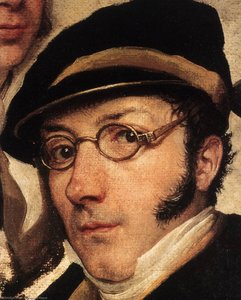
In the city of Venice, where the light dances upon the canals, Francesco Hayez entered the world on February 10, 1791. He was the youngest of five sons born to a family of modest means. His father, Giovanni, carried the blood of France, while his mother, Chiara Torcella, was a daughter of Murano. Even as a child, it was evident that the boy possessed a natural inclination toward drawing, a gift that would eventually lead him away from the simple life of his kin toward the complexities of the canvas.
His path toward the arts began not in a grand academy, but in the quiet, meticulous workshop of his uncle, Giovanni Binasco. As an apprentice to this art restorer, the young Francesco learned the discipline of observation and the patience required to handle the works of others. This early labor provided a foundation of technical skill that would support his later ambitions. By 1806, his talent had grown enough to lead him to Milan, where he enrolled in the new academy of fine arts. There, he sought the guidance of Teodoro Matteini, a teacher who would help shape the early movements of his developing hand.
Artistic Training and Roman Influence
After his early years in Venice, the young artist sought to refine his hand through the guidance of masters. He spent time studying the use of colour in classes held by Lattanzio Querena, a painter from Bergamo. This technical foundation prepared him for the great competition he would eventually win in 1809. This victory granted him a year of study at the Accademia di San Luca in Rome, a period that would fundamentally alter the course of his development. In the Eternal City, he moved through circles of great talent, seeking to understand the secrets of form and light.
Rome offered him more than just classroom instruction; it provided the chance to witness greatness in person. He spent many hours within the Vatican Stanze, studying the works of Raphael to learn how to compose complex narratives. He also sought out the workshop of the sculptor Antonio Canova, watching how the master worked with marble. These encounters with the classical and the Renaissance helped shape his vision. His formal education reached its conclusion through visits to the Galleria Farsetti in Venice, where he could observe the great traditions of his home city once more.
Technique and Artistic Style
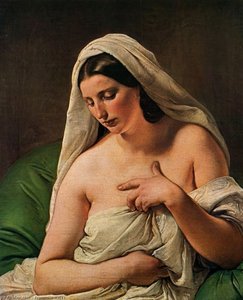
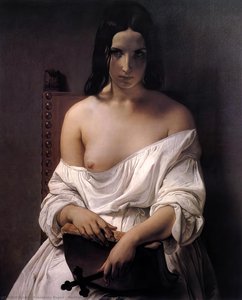
In the way he applied his brush, Hayez remained a man of discipline, even when his subjects stirred the soul. While his choice of themes often leaned toward the emotional fervor of Romanticism, his actual technique held fast to the clarity of his training. He favored clear outlines that spoke of his time in Rome, where he moved within the circles of Canova and Ingres. This preference for precision allowed him to navigate between the rigid grace of Neoclassicism and the more expressive demands of his era. He worked with oil and watercolor, mastering the ability to render both the grand scale of history and the intimate details of a face.
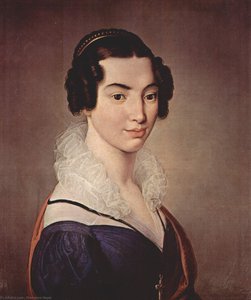
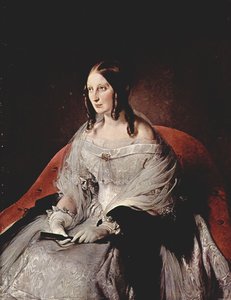
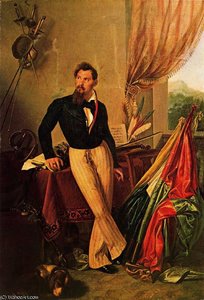
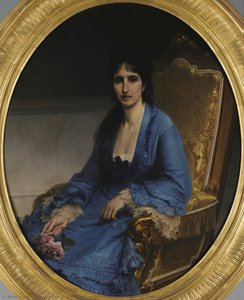
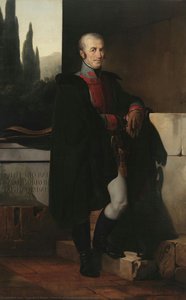
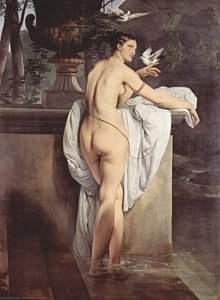
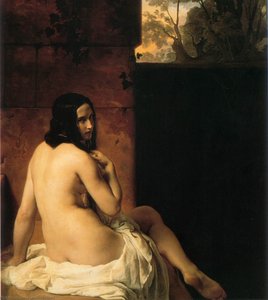
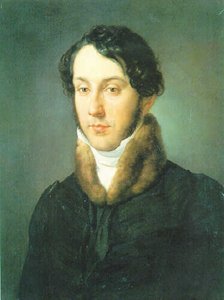
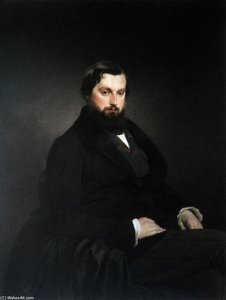
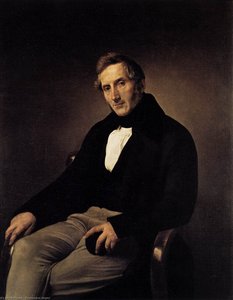
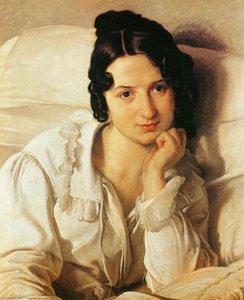
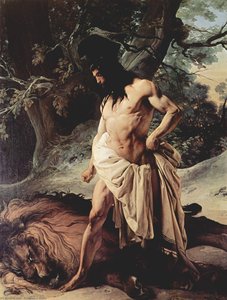
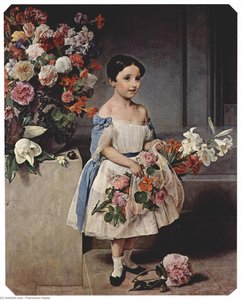
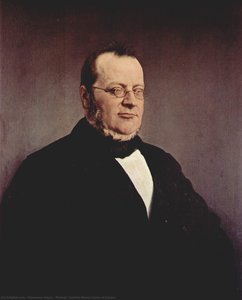
There was a certain tension in his compositions, a quiet yearning that he achieved through the skillful use of light and shadow. He employed dramatic chiaroscuro to pull his figures from the darkness, using expressive brushstrokes to breathe life into his scenes. This method was particularly effective in his grand historical paintings and political allegories, where he used the past to whisper truths about the present. Even in his portraits, which were noted for being exceptionally fine, he sought to capture more than a mere likeness, aiming instead for the very essence of the person sitting before him.
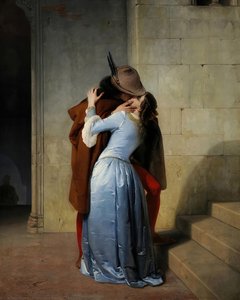
- The Kiss (1859)
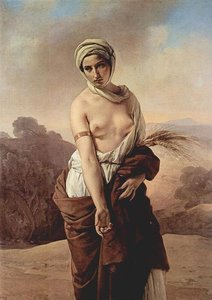
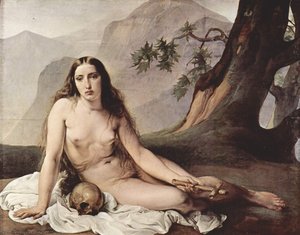
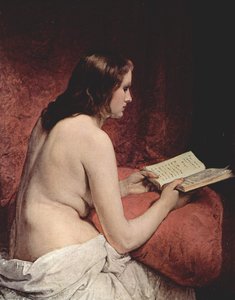
- Ruth (1853)
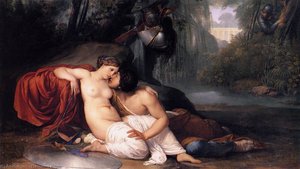
- Rinaldo and Armida
Notable Works and Masterpieces
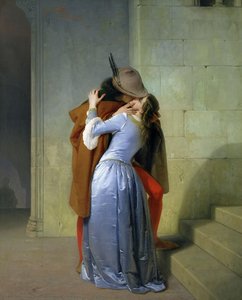
The artist’s hand found its most profound expression in works that stirred the soul through historical and romantic drama. In 1859, he produced The Kiss, a painting that his contemporaries held in the highest regard. This work captures a couple in a passionate embrace upon steps overlooking a cityscape, a scene that many felt embodied the very spirit of the era's political struggles. His ability to weave narrative into a single frame is further seen in Rinaldo and Armida, which draws its tension from a pivotal scene in Torquato Tasso’s epic poem Gerusalemme Liberata. Here, the painter depicts the tumultuous romance between a prince and a sorceress amidst a detailed Venetian forest.
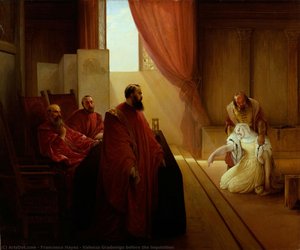
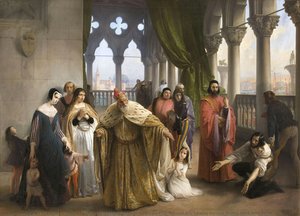
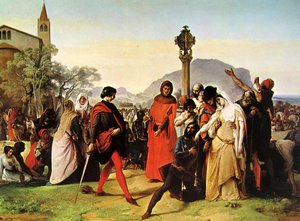
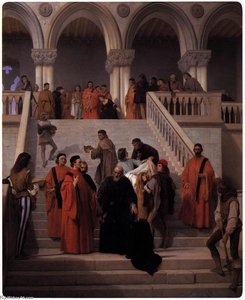
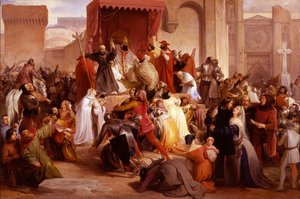
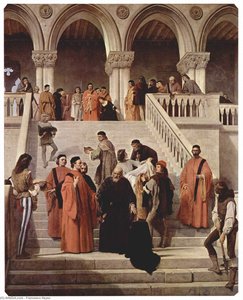
Beyond these romantic encounters, he turned his attention to the weight of history and the gravity of sacred stories. He rendered the biblical figure of Ruth in an 1853 oil painting, capturing the essence of the Moabite woman. His skill in historical narrative is evident in Pope Urban II Preaching the First Crusade in the Square of Clermont, a piece that demonstrates his command over large-scale, dramatic compositions. Later in his life, around 1867, he painted The Last Moments of Doge Marin Faliero, a work that reflects the somber gravity of his later years.
- The Kiss (1859)
- Ruth (1853)
- Rinaldo and Armida
- Pope Urban II Preaching the First Crusade in the Square of Clermont
- The Last Moments of Doge Marin Faliero (about 1867)
Professional Roles and Patrons
Beyond the quiet solitude of the studio, Hayez moved within the most influential circles of Milanese society. His talent and steady hand earned him a place of authority at the Brera Academy, where he served as a Professor of Painting. His devotion to the institution grew as the years passed, eventually leading to his appointment as the Director of the Brera Academy in 1860. Through these roles, he shaped the hands and minds of many who sought to master the art of his era.
The demand for his work came from those who sought to capture their own history and sentiment through his brush. Alfonso Maria Visconti di Saliceto commissioned the famous scene of a couple embracing, a work that would later find its home in the Pinacoteca di Brera. Other patrons sought his skill for more intimate or religious subjects, such as Severino Bonora of Bologna, who requested the depiction of Ruth. These commissions were not merely transactions but were deeply tied to the social and political currents of the time.
The popularity of his imagery even led to multiple versions of a single subject. While the first version of his most famous embrace was destined for a noble collection, the Mylius family commissioned a second version in 1861. Such requests demonstrate how his vision resonated with the families and collectors of the nineteenth century, securing his place in the private halls of the Italian elite.
Legacy and Impact on Art
The influence of Francesco Hayez upon Italian Romanticism remains undeniable, for he acted as the bridge between two eras. He was the most significant figure in the transition from the structured clarity of Neoclassicism to the emotional depth of Romanticism in Italian painting. While his technique often retained the clear outlines and precision he learned in Rome, his heart belonged to the dramatic narratives and political allegories that defined a changing nation. He understood how to use the language of the past to speak to the passions of the present, often disguising the fervent ideals of the Risorgimento within historical scenes to avoid the eyes of censors.
His canvases have long been a subject of study for art historians and enthusiasts who seek to understand the shifting soul of nineteenth-century Italy. By blending the formal training of the Academy with a new, expressive sensibility, he provided a visual vocabulary for a period of intense national awakening. This ability to marry classical discipline with romantic sentiment ensured that his work would not merely fade into history but would continue to inspire new generations of artists who sought to capture the human spirit in flux.
- The Kiss (1859)
- Ruth (1853)
- Rinaldo and Armida
Where to See His Works Today
To walk through the halls of Milan is to encounter the spirit of Hayez in many forms. The Pinacoteca di Brera remains a primary destination for those seeking his hand, holding works that reflect his deep connection to the city's artistic life. Nearby, the Civica Galleria d'Arte Moderna also preserves an impressive collection, ensuring his presence in the local landscape remains strong. One might also find his brushwork within the Museo Poldi Pezzoli, where several of his paintings are kept for public view.
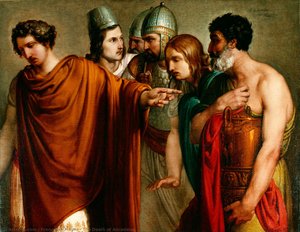
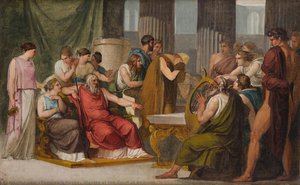
His reach extends beyond the borders of Milan, reaching into the heart of Rome. There, the Accademia di San Luca preserves the work Ulysses at the Court of Alcinous, a piece that speaks to the classical training he received during his youth. These collections allow the viewer to see how his style evolved from the academic traditions of his training into the more emotive narratives of his maturity.
- The Kiss (1859)
- Ruth (1853)
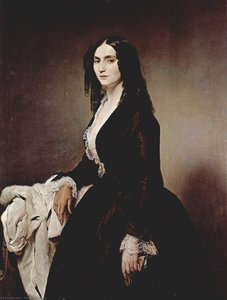
- Portrait of Matilde Juva-Branca (1851)
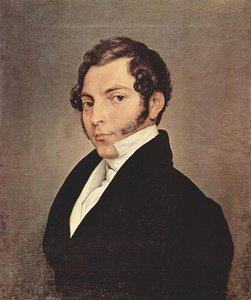
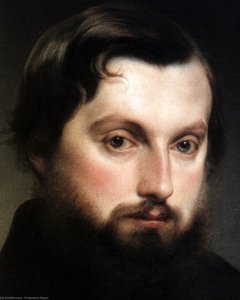
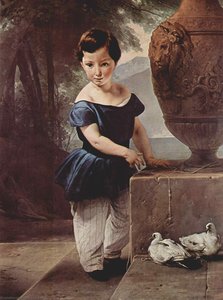
- Portrait of Gian Giacomo Poldi Pezzoli (1851)
Questions & Answers
In which historical period did Francesco Hayez work?
Francesco Hayez worked in the 19th-Century period. The period situates the artist's activity in history.
What are the birthplace and birth year of Francesco Hayez?
Francesco Hayez was born in Venice in 1791.
What are the birth city and country of Francesco Hayez?
Francesco Hayez was born in Venice, in Italy.