Early Life and Training
- Born: April 1457, Prato, Italy
- Died: April 1504
- Parents: Fra Filippo Lippi (painter) and Lucrezia Buti
- Filippino was the illegitimate son of a renowned painter.
- Early training under his father laid the foundation for his artistic career.
Artistic Career and Development
- Early Period (1475-1480): Initial works, such as Madonnas, showed a less refined style. These were initially attributed to an anonymous artist known as "amico di Sandro."
- Evolution (1480-1485): Development of a more personal and effective approach in works like the *Journeys of Tobias*.
- Maturity (1485-1504): Mastery of the High Renaissance style, exemplified by *The Apparition of Christ to the Virgin*.
Major Works and Collaborations
- Collaboration with Perugino, Ghirlandaio, and Botticelli on frescoes at Lorenzo de' Medici’s villa.
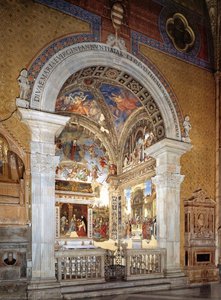
- Completion of Masaccio's unfinished decoration in the Brancacci Chapel alongside Masolino.
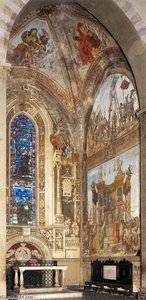
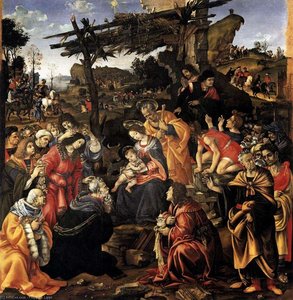
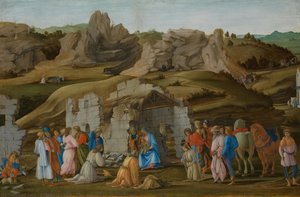
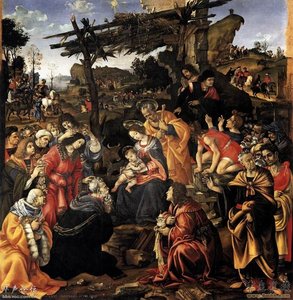
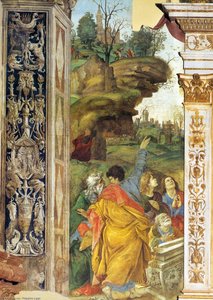
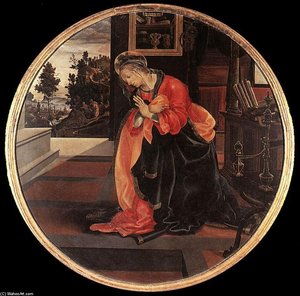
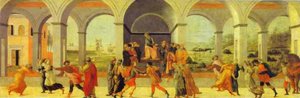
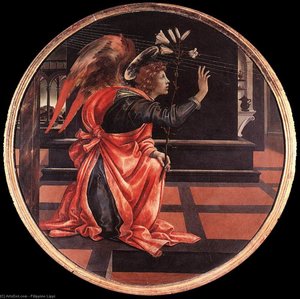
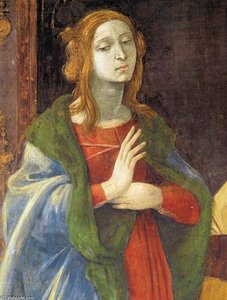
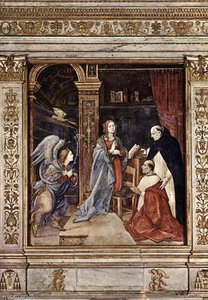
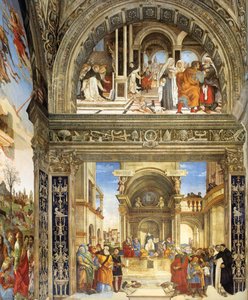
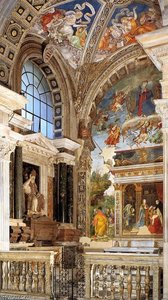
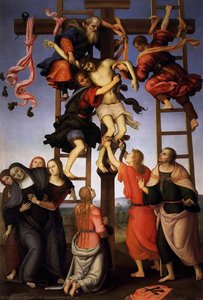
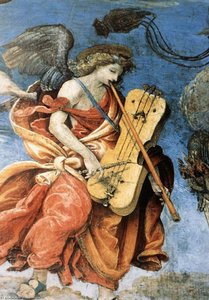
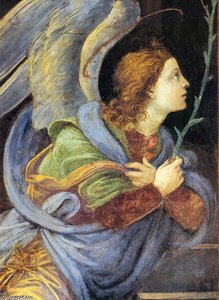
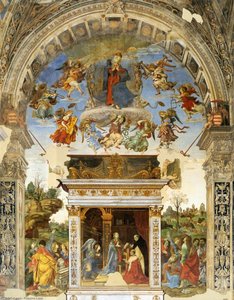
- Notable works include: *The Coronation of the Virgin*, *Tobias and the Angel*, *St Jerome*, and *Scene from the Life of St Thomas Aquinas*.
Influences and Artistic Style
- Early Influences: Sandro Botticelli, Fra Filippo Lippi.
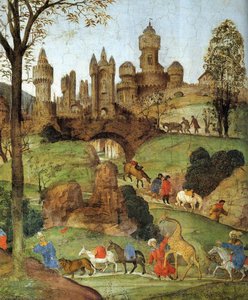
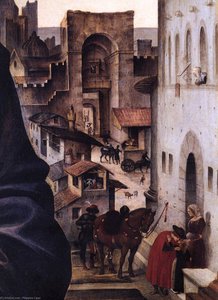
- Style Characteristics: Animated form and line, warm colorism, detailed landscapes, expressive figures, and a blend of perspective geometry with intimate interiors.
- Roman Antiquities: Studies after Roman antiquities during his time in Rome influenced his work, incorporating an antique vocabulary into his art.
Historical Significance and Legacy
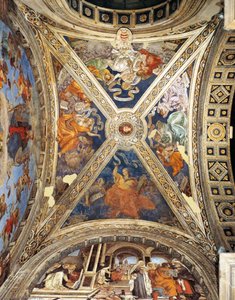
- A leading Florentine exponent of the tradition of great fresco cycles.
- His influence on the High Renaissance is undeniable.
- Works are found in museums worldwide, including the Uffizi Gallery in Florence.
- Known for bridging the gap between earlier Renaissance styles and the emerging High Renaissance aesthetic.
Questions & Answers
What are the birth city and country of Filippino Lippi?
Filippino Lippi was born in Prato, in Italy.
Where is Filippino Lippi from?
Filippino Lippi was born in Italy.
What aliases or alternate names does Filippino Lippi have?
Filippino Lippi appears under the alternate names Filippino Fiorentino, Philippe Lippi fils, Lippi, فلبينو ليبي, Филипино Липи.