



A Symphony of Stone and Spirit
Nestled within the verdant, scholarly embrace of the University of Birmingham, The Barber Institute of Fine Arts stands as a profound testament to the enduring marriage between visual splendor and auditory grace. It is far more than a mere repository for precious objects; it is a living, breathing sanctuary where the echoes of classical music meet the silent, powerful gaze of the Old Masters. Founded through the poignant devotion of Lady Barber as a memorial to her late husband, William Henry Barber, this cultural beacon was conceived as a place where the study of art history and the appreciation of musical performance are woven into a single, seamless tapestry of human expression. To step inside is to enter a realm where the boundaries between different artistic disciplines dissolve, leaving only the pure, unadulterated resonance of creativity.
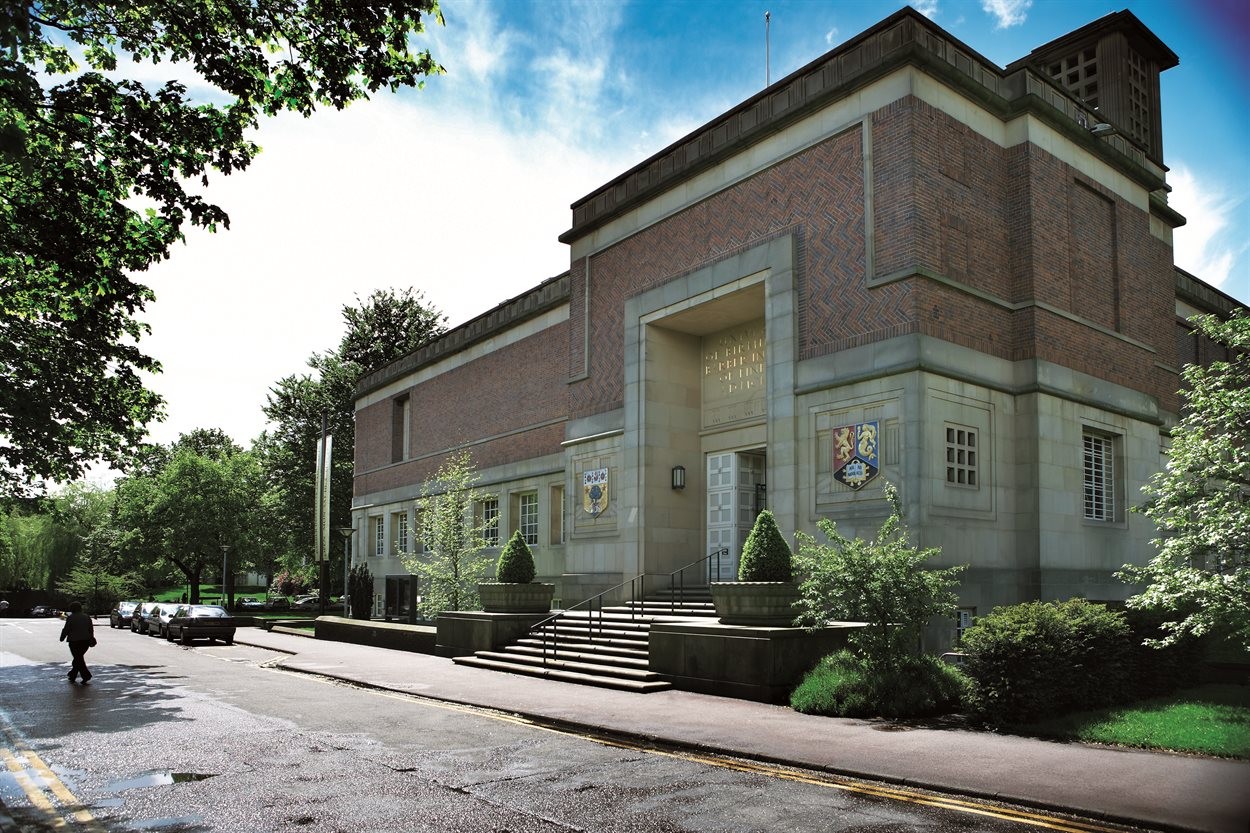
The architecture itself serves as a breathtaking prelude to the treasures held within. Designed by the visionary Robert Atkinson and completed in 1939, the building is a masterclass in Art Deco elegance, earning its prestigious Grade I listed status through its sophisticated geometry and luxurious materiality. As one wanders through the halls, the warmth of Australian walnut panelting in the auditorium invites a sense of intimate grandeur, while the cool, stately presence of travertine marble flooring provides a rhythmic foundation to the space. Even the exterior tells a story of lineage and prestige, adorned with Heraldic Shields meticulously crafted from Darley Dale stone and gilded with gold, representing the intertwined legacies of the University and the Barber family.
A Treasury of International Significance
The collection held within these walls is nothing short of extraordinary, offering a curated journey through the evolution of European fine art from the Renaissance to the dawn of the modern era. For the discerning collector or the lover of beauty, the institute offers an intimate encounter with the giants of art history. The breadth of the collection—spanning approximately 150 oil paintings—includes the masterful compositions of Rubens and Van Dyck , the soft light of Gainsborough , and the intricate elegance of Botticelli . One might find themselves lost in the luminous brushwork of Claude Monet or the emotive, swirling energy of Vincent van Gogh , only to be drawn next to the delicate, psychological depth of Egon Schiele or the surrealist enigmas of René Magritte .
What makes this institution truly unique is its dual identity as both an art gallery and a concert hall. The layout is ingeniously centered on a central concert hall, which radiates outward to lead visitors through beautifully proportioned galleries that feel less like museum rooms and more like private salons for the soul. This architectural brilliance ensures that the spirit of English architecture in the 1930s is captured perfectly, providing an unparalleled study for interior designers seeking inspiration in how space, light, and classical proportions can elevate the human experience. As the institute prepares for its next chapter through a thoughtful refurbishment, it remains an essential pilgrimage site—a place where the weight of history and the lightness of beauty exist in perfect, eternal equilibrium.