
Origins and History of the Baltimore Museum of Art
The origins of the Baltimore Museum of Art are tied to the recovery of a city. Following the Great Baltimore Fire of 1904, which destroyed much of the downtown landscape, a collective determination to rebuild emerged. This period of renewal provided the impetus for establishing a permanent institution for art. The museum was incorporated on November 16, 1914.
The institution began with a single donation. Dr. A.R.L. Dohme provided the museum's first painting, titled Mischief by William Sergeant Kendall. This initial acquisition marked the beginning of a collection that has since expanded to include 95,000 objects. The museum was established in 1914 to foster a cultural life within Baltimore, Maryland, United States of America.
The Neoclassical Architecture of the Museum Building
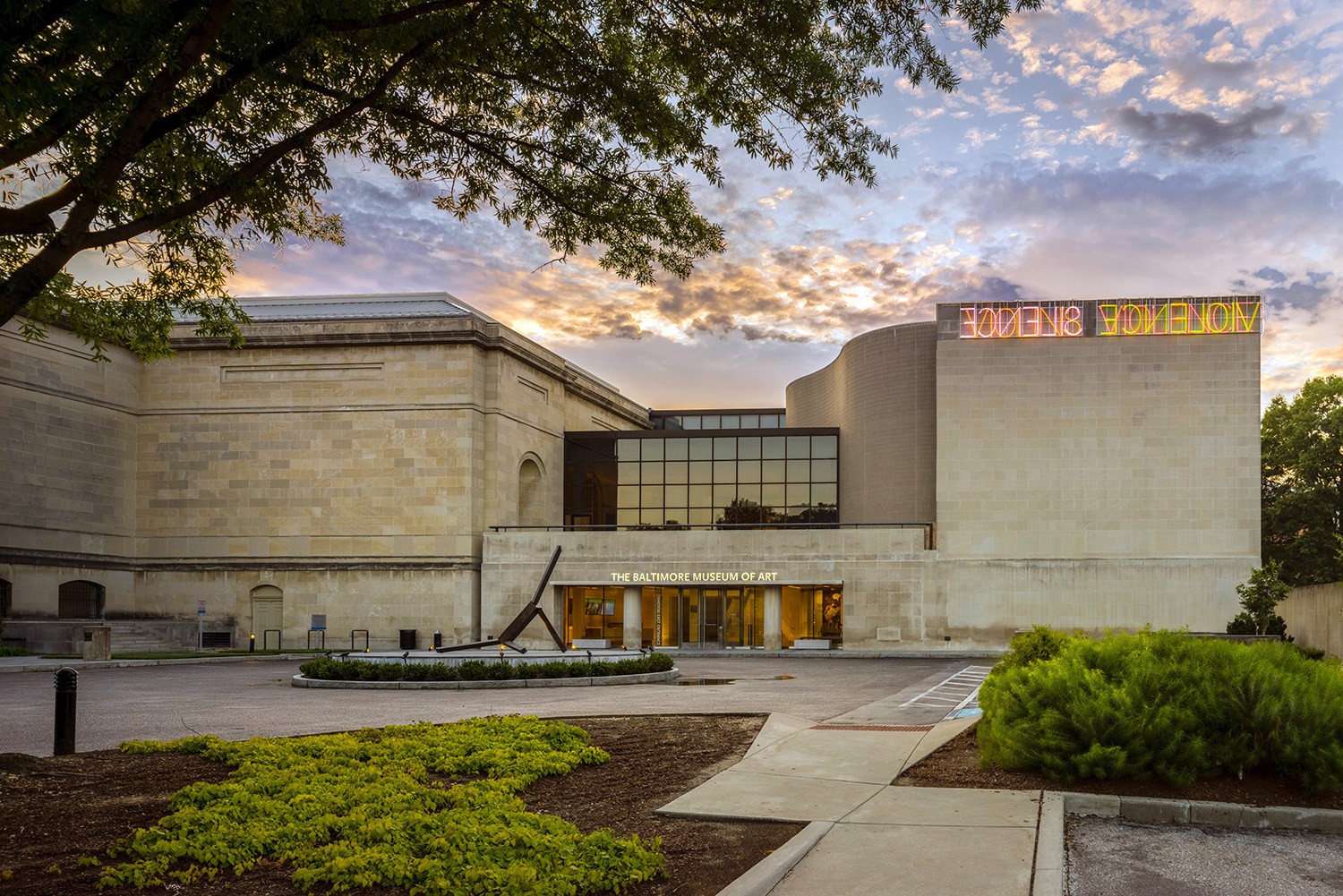
The museum occupies a prominent position on North Charles Street. Designed by the architect John Russell Pope in the 1920s, the building is an embodiment of neoclassical elegance. Its physical presence reflects a sense of architectural harmony through the use of monumental proportions and graceful curves. The structure was intended to create a space where natural light and sculptural grandeur integrate seamlessly.
The facade is punctuated by elegant columns and arches. These elements define the building's exterior and establish its formal character. The design by Pope emphasizes a balance between weight and light, utilizing expansive windows to flood the interior galleries with sunlight. This intentional use of light serves to illuminate the works held within the institution.
Two landscaped gardens surround the building, providing a transition between the urban environment and the museum's interior. These outdoor spaces contain sculptures commissioned specifically for the site, including works by:
- Constantin Brâncuși
- Alexander Calder
The gardens extend the museum's reach into the surrounding landscape, offering a quiet space for contemplation near the neoclassical structure.
The Extraordinary Cone Collection
The Cone Collection originated as a singular bequest from Baltimore sisters Claribel and Etta Cone. This assemblage contains over 1,000 works that fundamentally reshaped American art history. The collection is anchored by the canvases of Henri Matisse, which provide a core of color and energy to the holdings. These works sit alongside significant pieces by Pablo Picasso and Paul Cézanne.
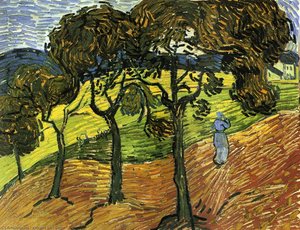
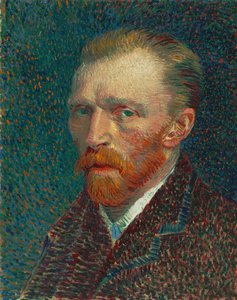
The breadth of the bequest extends through the development of modernism. It includes works by Edgar Degas and Paul Gauguin, as well as paintings by Vincent van Gogh and Pierre-Auguste Renoir. These acquisitions reflect the discerning eye of the sisters and their dedication to championing groundbreaking artistic voices. The presence of these artists within the museum's permanent holdings establishes a specific lineage of modern art in Baltimore.
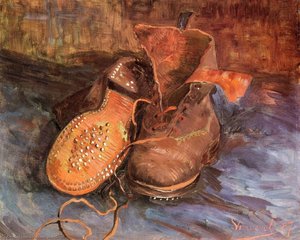
- A Pair of Shoes, 1887 - Vincent Willem Van Gogh
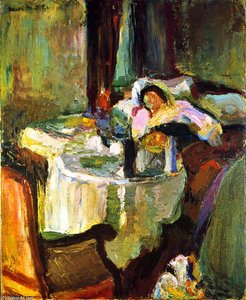
- The Invalid, 1899 - Henri Matisse
- The Cellist, 1894 - Eugène Henri Paul Gauguin
- Laundresses, 1888 - Pierre-Auguste Renoir
Diverse Art Collections and Global Heritage
The museum holds 95,000 objects within its walls. These holdings include significant works from Africa and a selection of Asian art, specifically textiles and ceramics. The galleries also feature ancient Antioch mosaics, providing a connection to the Mediterranean's historical past. These pieces are part of a broader effort to present a wide range of artistic traditions from across the globe.
Beyond the paintings, the collection includes European and American decorative arts spanning several centuries. These objects reflect the evolving aesthetic sensibilities of their respective eras. The presence of these items allows for a study of craftsmanship alongside the more widely known fine arts. The museum's scope extends from these decorative traditions to the diverse material cultures of Asia and Africa.
Masterpieces of the Museum Collection
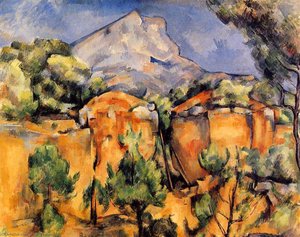
The collection contains significant works from the late 19th and early 20th centuries. Vincent Willem Van Gogh’s A Pair of Shoes, painted about 1887, offers a study of form and texture. Nearby, Paul Cézanne’s Mont Sainte-Victoire Seen from the Bibemus Quarry (about 1897) examines the structural qualities of the landscape. Claude Monet’s Charing Cross Bridge, dating to about 1899, captures a specific atmospheric moment through light and movement.
Henri Matisse is represented by several key works that illustrate his development. The Invalid, painted about 1899, and Odalisque with Gray Pants (1927) demonstrate his approach to color and composition. The museum also holds Pierre-Auguste Renoir’s Laundresses, executed about 1888, which contributes to the institution's holdings of French art from the mid-19th century.
- A Pair of Shoes, about 1887 - Vincent Willem Van Gogh
- Mont Sainte-Victoire Seen from the Bibemus Quarry, about 1897 - Paul Cézanne
- Charing Cross Bridge, about 1899 - Claude Monet
- The Invalid, about 1899 - Henri Matisse
- Odalisque with Gray Pants, 1927 - Henri Matisse
- Laundresses, about 1888 - Pierre-Auguste Renoir
Exhibitions and Contemporary Dialogue
The museum maintains a commitment to presenting diverse exhibitions that reflect a broad range of artistic perspectives. Curators design these programs to engage visitors on multiple levels, moving beyond simple observation to foster empathy and promote understanding. By addressing pressing social issues, such as racial justice and environmental sustainability, the institution uses art as a vehicle for critical reflection and transformative change.
These contemporary dialogues ensure the museum remains a vital cultural hub. The programming seeks to bridge the gap between historical collections and the complexities of modern life. Through this approach, the museum aims to inspire creativity and encourage meaningful engagement with the world. The selection of works and themes is intended to provoke thought and facilitate a deeper connection between the viewer and the subject matter.
Visiting and Public Access
The Baltimore Museum of Art maintains an open policy for its galleries. Since October 2006, the institution has offered free general admission year-round. This accessibility ensures that the collections remain available to the public without the barrier of entry fees.
The museum is situated in a central location, positioned between the neighborhoods of Charles Village, Remington, and Hampden. It sits adjacent to the Homewood campus of Johns Hopkins University. For those seeking a meal during their visit, Gertrude’s Chesapeake Kitchen is located on the premises. This restaurant is operated by chef John Shields.