
A Monumental Vision: The Soul of Bologna in Stone
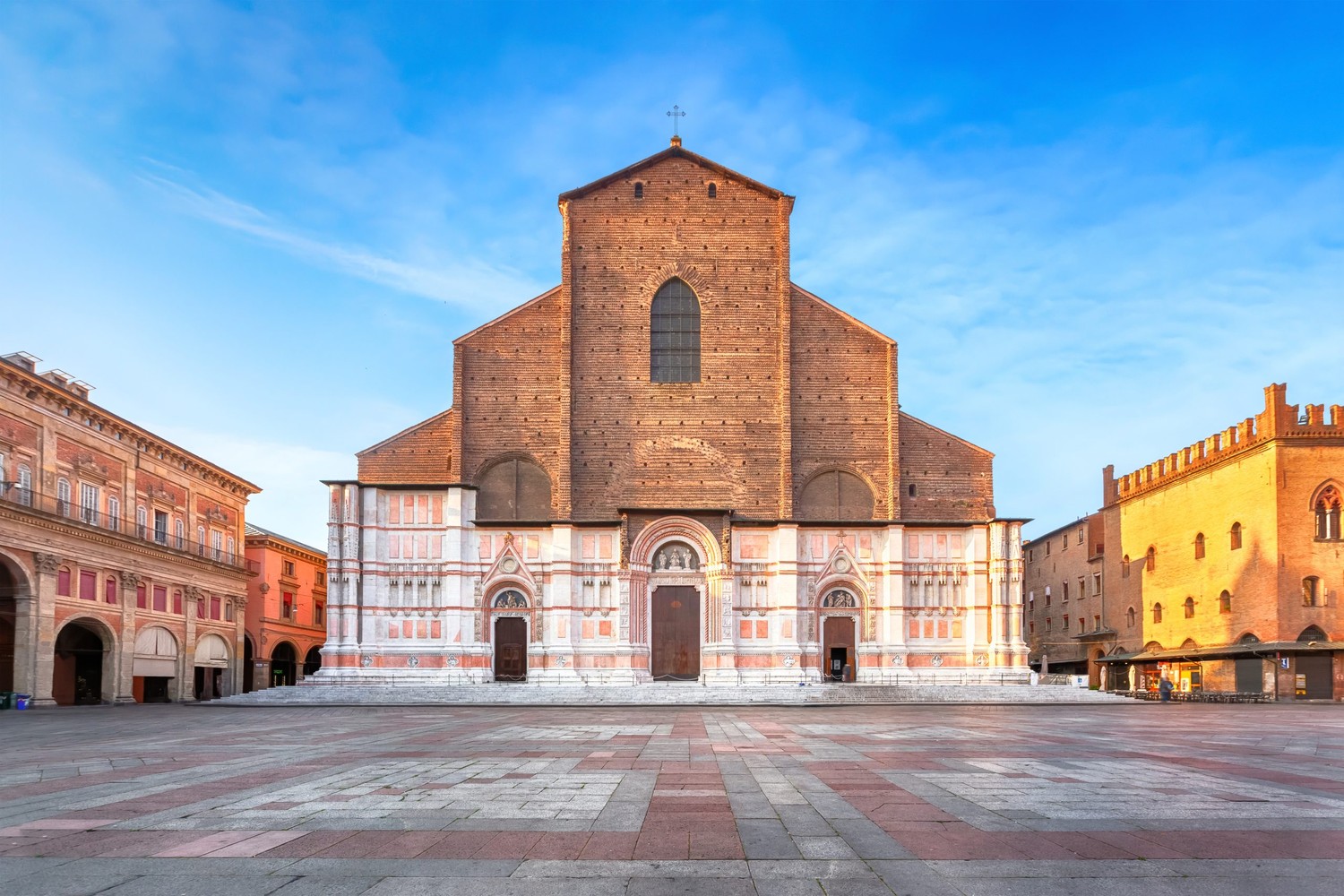
In the vibrant heart of Bologna, where the shadows of ancient porticos meet the warmth of Italian sunlight, stands the Basilica di San Petronio. It is not merely a church, but a sprawling chronicle etched in stone, a Gothic masterpiece that serves as both a testament to civic ambition and an enduring symbol of faith. Construction began in 1390 with a vision so grand—to rival Florence’s Duomo in scale and splendor—that its realization became a centuries-long endeavor. This monumental ambition, however, was perpetually tempered by the shifting tides of politics and economic reality, resulting in the basilica's most striking and poetic feature: an unfinished façade. Rather than a mark of failure, this incomplete exterior speaks volumes about the complexities of human creation, standing as a powerful sense of aspiration frozen in time, inviting every passerby to contemplate the beauty of the unfinished.
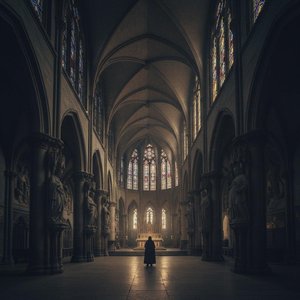
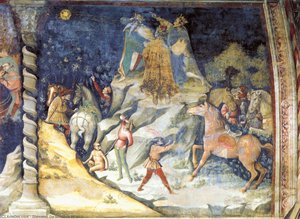
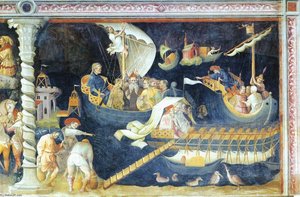
To step across its threshold is to enter a space where history, art, and even scientific inquiry converge in a breathtaking display of scale. The interior is immediately arresting; soaring arches draw the eye upward toward vast, expansive spaces that invite quiet contemplation. The basilica’s twenty-two side chapels act as intimate sanctuaries, each adorned with unique marble transennae or intricate artistic iron gates. These small, sacred alcoves offer a treasure trove of devotional expression, housing valuable works that span various historical periods and create a rich, multi-layered tapestry of religious artistry that captivates the modern observer.
Renaissance Splendor and Celestial Harmony
Among the many treasures nestled within these hallowed walls, the painting San Petronio fra i Santi Domenico e Francesco by Lorenzo Costa the Elder shines as a particularly luminous example of Renaissance artistry. This stunning work encapsulates the grace and humanism that defined the era, depicting Saint Petronius flanked by Saints Dominic and Francis in a composition brimming with delicate detail and emotional resonance. Costa’s mastery of color, form, and narrative storytelling offers a window into the artistic sensibilities of 15th-century Bologna, making it a centerpiece for any lover of classical Renaissance technique.
Yet, the Basilica di San Petronio is not solely defined by its religious or artistic significance; it also holds a fascinating place in the history of science. Embedded within the very floor of the church lies a remarkable meridian line, meticulously crafted in 1655 by the renowned astronomer Gian Domenico Cassini. This ingenious instrument serves as a tangible connection between faith and reason, functioning much like a camera obscura to mark local noon with a precise beam of sunlight projected through a small aperture. In this way, the basilica becomes a sacred space where earthly devotion meets celestial observation, highlighting Bologna’s profound intellectual heritage.
For the art lover, the collector, or the designer seeking inspiration, San Petronio offers an unparalleled experience of accessibility and grandeur. Because admission is free, the basilica remains an open, living monument, accessible to all who wish to immerse themselves in its history. It stands not as a static relic of the past, but as a living testament to the enduring spirit of Bologna—a place where the beauty of the unfinished façade serves as a poignant metaphor for the resilience and ongoing story of the city itself.