


A Renaissance Heartbeat: The Biblioteca Medicea Laurenziana
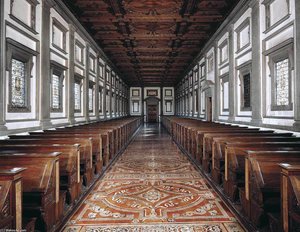
Nestled within the formidable Basilica di San Lorenzo in Florence, the Biblioteca Medicea Laurenziana stands as a profound testament to the enduring legacy of the Medici dynasty—a beacon of humanist scholarship and artistic ambition that continues to captivate the soul centuries later. More than simply a repository for ancient texts, this library is a living embodiment of an era's intellectual fervor and architectural daring; it is a place where history is not merely preserved but palpably felt within the weight of parchment and the audacious sweep of Michelangelo Buonarroti’s design. To step inside is to traverse a portal into the minds and hands that shaped Western thought, standing amidst the echoes of giants like Galileo Galilei, Machiavelli, and Dante themselves—a journey back to the very genesis of the Renaissance ideal.
Founded in 1571 by Pope Leo X, the library's origins are inextricably linked to Cosimo I de' Medici’s unwavering devotion to classical learning and his friendship with the humanist Niccolò Niccoli. This initial nucleus swelled exponentially under subsequent generations of the Medici family, transforming Florence into a crucible for artistic innovation and scholarly debate. The very act of collecting was itself an assertion of power—a declaration that the Medici were not merely wealthy merchants but enlightened patrons committed to safeguarding cultural heritage. One can almost envision the meticulous gaze of Cosimo upon the shelves, lined with volumes bearing the seals of emperors, or imagine Niccoli's tireless efforts to procure texts from Alexandria and Constantinople, a deliberate strategy to elevate Florence’s intellectual standing on the global stage.
Architectural Genius and the Sculptural Staircase
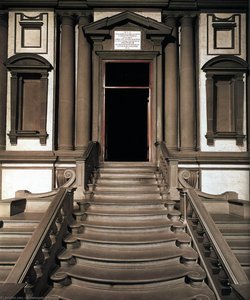
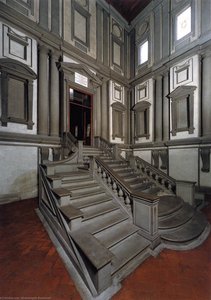
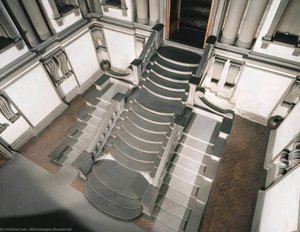
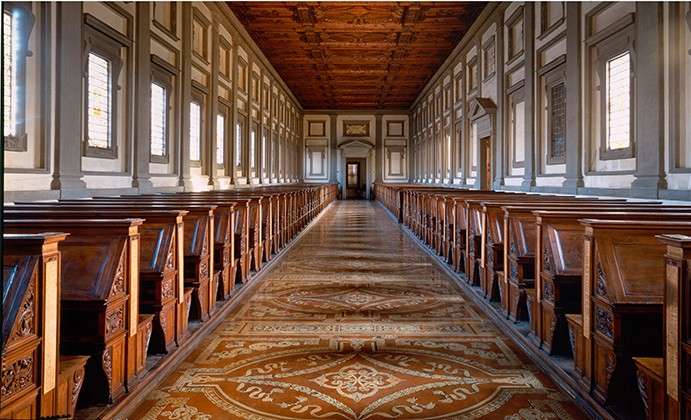
While the collection is peerless, it is Michelangelo Buonarroti’s architectural intervention that elevates the Biblioteca Medicea Laurenziana into something truly extraordinary—a masterpiece conceived not just for function but for experience. Commissioned to design a vestibule and staircase, Michelangelo did not merely provide practical spaces; he crafted a prelude to contemplation, a breathtaking invitation to delve into the treasures housed within. The famed Staircase in the Vestibule , seemingly defying gravity with its spiraling ascent, remains a Renaissance architectural marvel. It is a sculptural form that draws the eye upwards, preparing the visitor for immersion in the profound wisdom contained therein.
Observe the intricate carvings adorning the entrance hall—allegorical figures representing knowledge, virtue, and divine inspiration—each meticulously sculpted to convey an overarching message of humanist ideals. Michelangelo’s design principles permeate every aspect of the building, creating a harmonious grandeur that continues to inspire awe in architects and designers alike. The way light interacts with the heavy stone and the fluid movement of the stairs creates a tension between the monumental and the graceful, making the architecture itself a piece of fine art that serves as the perfect vessel for the precious manuscripts it protects.
A Treasury of Human Thought
The library’s collection is a marvel of human achievement, encompassing over 11,000 manuscripts and 4,500 early printed books that span a vast range of subjects from humanist scholarship to scientific observation. Among its most prized possessions are the autograph documents penned by luminaries like Galileo Galilei —revolutionary treatises that challenged established dogma and irrevocably altered our understanding of the cosmos. Similarly, the library holds the shrewd political analyses of Niccolò Machiavelli , works that continue to resonate today as reflections on power, morality, and governance, alongside the profound meditations of Dante Alighieri .
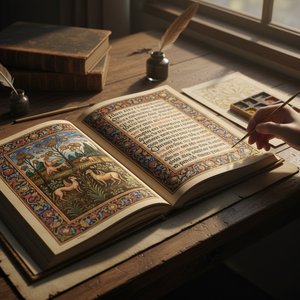
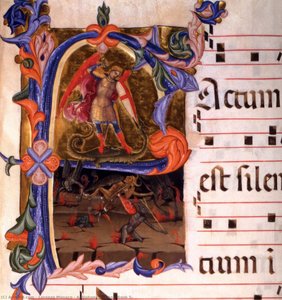
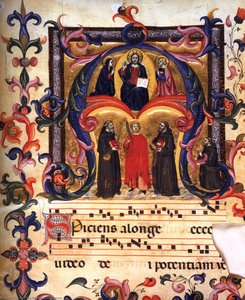
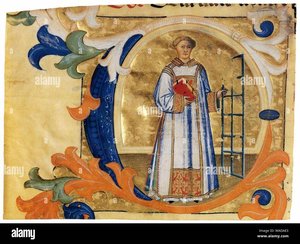
Beyond the weight of the words, there is an exquisite beauty in the physical objects themselves. The collection features delicate illuminated manuscripts adorned with vibrant pigments and elaborate borders, where each page serves as a canvas for artistic expression. These early printed books marked a dramatic shift in how information was accessed and shared, representing a pivotal moment in European intellectual history. Today, the Biblioteca remains a dynamic center for scholarship, utilizing cutting-edge technology to digitize these ancient treasures, ensuring that the light of the Renaissance continues to illuminate the minds of audiences worldwide.