
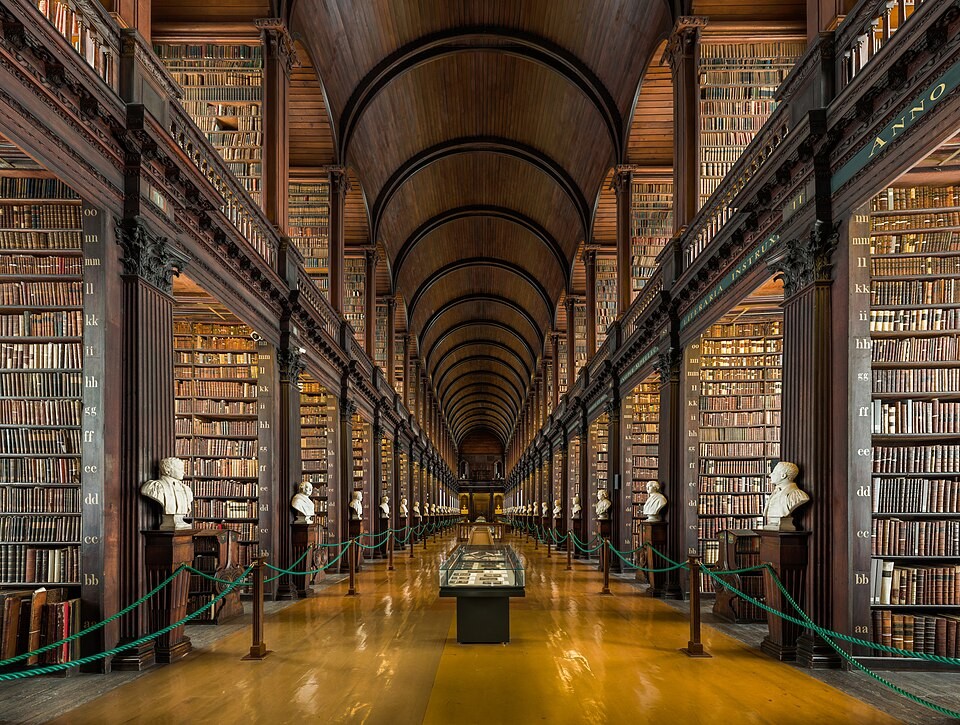
Table of Contents
Quick Facts
- Featured artists:
- Thomas Johnson Westropp
- Captain Sir William Smith
- Historical periods:
- 19th century
- modern
- Mediums:
- acrylic
- acrylic on canvas
- black and white photography
- drawing
- giclée print
- Art types:
- digital
- photo
- wallart
- More…
- Location: Dublin, Republic of Ireland
- Works on APS: 22
- Movements:
- 18th-century landscape
- documentary photography
- impressionistic photography
- other
- realism
Exhibited Artists
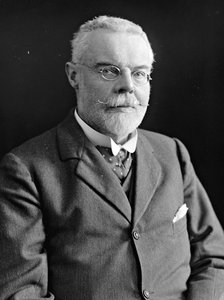
Thomas Johnson Westropp
Thomas Johnson Westropp (1860-1922): Irish antiquarian, archaeologist & folklorist. Known for detailed sketches of monuments & folklore, influencing the Irish Folklore Commission. Explore his historical Irish art.

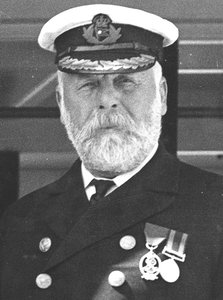
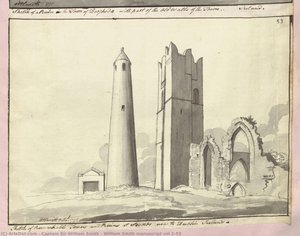
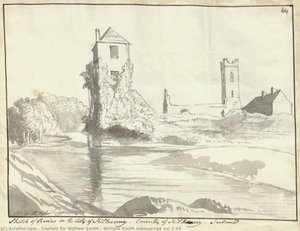
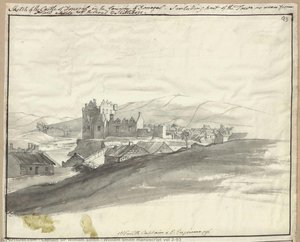
Captain Sir William Smith
Discover Captain Sir William Smith (1764-1840), British naval officer & artist! Explore his captivating oil paintings – from historical scenes like 'The Armada' to serene landscapes. A unique blend of military life & artistic talent.
Art Quiz
There is only one correct answer for each question.
Question 1:
In what year was the Library of Trinity College Dublin founded?
Question 2:
What is arguably the most famous inhabitant of The Library of Trinity College Dublin?
Question 3:
What is the Long Room known for?
Question 4:
Besides being an academic resource, what else does The Library serve as?
Question 5:
What architectural style is the Eavan Boland Library known for?
Question 6:
What legal deposit status does The Library of Trinity College Dublin hold?
Question 7:
What significant historical document is housed within The Library?
Question 8:
What is the Brian Boru Harp a symbol of?
Question 9:
Who designed the Old Library (completed in 1732)?
Question 10:
What was the original name of the Eavan Boland Library?
Related Articles
Modern Royalty: The Definitive Guide to Commissioning Custom Old Masters Style Portraits
Discover the art of luxury living with our guide to commissioning custom Old Masters style portraits. Learn how to transform personal memories into timeless, hand-painted oil masterpieces through expert craftsmanship and bespoke historical techniques.
Mastering the Brush: The Timeless Secrets of Old Master Oil Painting Techniques
Explore the profound secrets of classical oil painting. From the delicate mastery of glazing to the dramatic depth of chiaroscuro, discover the timeless techniques used by Old Masters to create enduring, museum-quality masterpieces that capture light and emotion.
From Snapshot to Legacy: Reimagining Family Portraits Through the Lens of Old Master Techniques
Transform cherished memories into lasting heirlooms with custom family portraits inspired by Old Master techniques. Expert artists, museum-quality craftsmanship & a timeless legacy guaranteed. Explore the art of portraiture.
List of Artworks
© 2026 mus3ums.com