Bibliothèque nationale de France

Quick Facts

  • Art types:
    • other
    • wallart
  • Historical periods:
    • early medieval
    • renaissance
  • Featured artists:
    • Giovanni Battista Piranesi
    • Jean Fouquet
    • Pieter Bruegel the Elder
    • Albrecht Dürer
    • Honoré Daumier
  • Alternate names:
    • Bibliothèque nationale de France
    • National Library of France
    • BnF
    • Cabinet des Médailles
    • Bibliothèque du Roi
  • More…
  • Movements:
    • contemporary realism
    • late gothic
    • neoclassicism
    • northern renaissance
    • northern renaissance printmaking
  • Works on APS: 21
  • Mediums:
    • acrylic on canvas
    • etching
    • lithograph
    • oil
  • Location: Paris, France

A Sanctuary of Knowledge: Exploring the Bibliothèque nationale de France

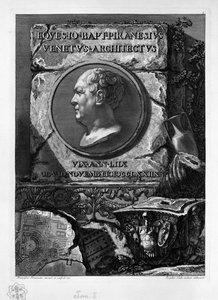
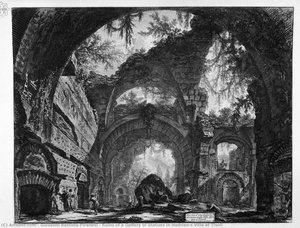
The Bibliothèque nationale de France, or BnF, is more than a repository of books; it’s a living testament to centuries of French intellectual and artistic pursuit. Founded in the 14th century by Charles V within the walls of the Louvre Palace, its origins lie not merely in collecting volumes but in fostering thought itself. What began as a royal collection has blossomed into the national archive for all publications in France—an unparalleled treasure trove encompassing books, manuscripts, art, and historical artifacts. To wander through its spaces is to embark on a journey through time, encountering echoes of kings and revolutionaries, scholars and artists, each contributing to the rich tapestry of French culture. The very air seems imbued with the weight of accumulated knowledge, inviting contemplation and discovery. It’s a place where history isn't simply read about; it’s *felt*.

Two Faces of History: Architecture and Sites

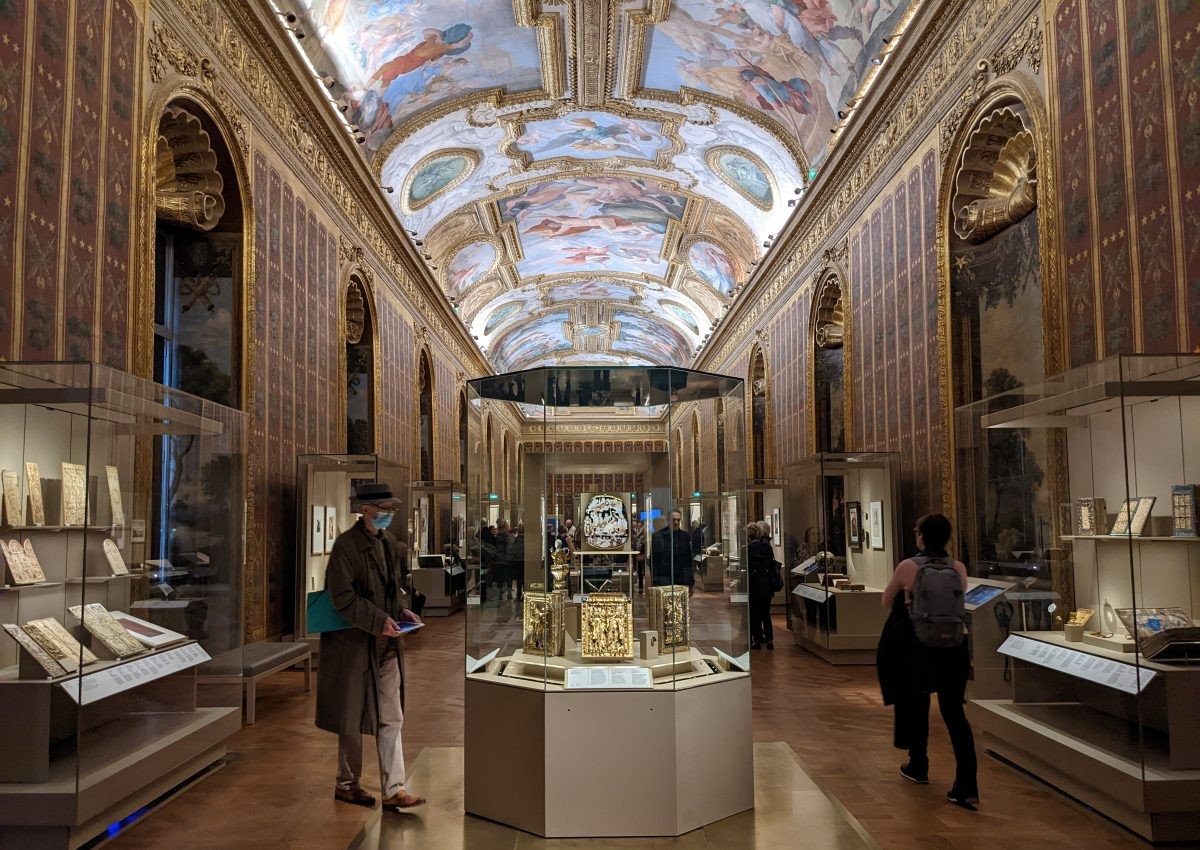
The physical presence of the BnF is as compelling as its contents, manifested in two strikingly different architectural styles that reflect its long evolution. The historic Richelieu site, a former royal palace, exudes an 18th-century grandeur with ornate halls and intricate detailing—a tangible link to France's aristocratic past. Here resides the BnF Museum, formerly known as the Cabinet des Médailles, showcasing remarkable collections of coins, medals, engraved gems, and antiquities. Among its most prized possessions are the Throne of Dagobert, a potent symbol of Merovingian power, and the Charlemagne chessmen, exquisite examples of medieval craftsmanship that whisper tales of strategic brilliance and artistic dedication. In stark contrast stands the François-Mitterrand site, a modern complex designed by architect Dominique Perrault. Its four glass towers rising from a vast esplanade symbolize the library’s role as a beacon of knowledge in the 21st century—a bold statement of innovation and accessibility. This contemporary space houses an immense collection of books, manuscripts, and multimedia resources, offering researchers and scholars unparalleled access to information. The juxtaposition of these two sites beautifully encapsulates the BnF's commitment to both preserving its heritage and embracing progress; a dialogue between past and future etched in stone and glass.

Illuminated Pages and Enduring Stories: Collection Highlights

The heart of the Bibliothèque nationale de France lies within its extraordinary collections, a universe of stories waiting to be discovered. For lovers of literature, the library boasts a comprehensive record of French literary achievement, from medieval manuscripts adorned with breathtaking illuminations—each miniature painting a world unto itself—to contemporary novels that capture the spirit of our time. The manuscript collection is particularly renowned, holding some of the most important examples of medieval artistry and scholarship in existence. Early printed books – incunabula – offer a fascinating glimpse into the dawn of printing technology and the spread of knowledge during a pivotal era. Beyond literature, the BnF’s holdings extend to encompass art and historical artifacts, providing invaluable insights into French history and culture. The Cabinet des Médailles, with its collection of coins and medals, offers a unique perspective on political iconography and artistic expression throughout the ages. Imagine holding a coin struck during the reign of Charlemagne, feeling the weight of history in your hand—it’s an experience that transcends mere observation.

A Legacy of Preservation: From Royal Origins to National Treasure

The story of the Bibliothèque nationale de France is inextricably linked to the evolution of French society itself. Beginning as a private collection assembled by Charles V and subsequent monarchs, it grew through acquisitions, donations, and—crucially—the legal deposit system that ensures all published works in France are archived within its walls. The French Revolution marked a turning point, transforming the royal library into a public institution dedicated to preserving France’s cultural heritage for all citizens. Throughout the 20th century, the BnF underwent significant expansion and modernization, culminating in the construction of the François-Mitterrand site in the late 1980s—a project that cemented its position as one of the world's leading libraries. What truly sets the BnF apart is not merely the scale of its collections but its unwavering commitment to accessibility. It is a place where scholars can delve into ancient texts, students can conduct research, and curious visitors can explore the treasures of French culture—a testament to the enduring power of knowledge and the importance of preserving our shared heritage. A visit to the BnF isn't simply an excursion; it’s an immersive experience, offering a profound connection to the past and a glimpse into the future of learning. It is a place where stories never end, they merely wait to be rediscovered.

Art Quiz

There is only one correct answer for each question.

Question 1:
When was the Bibliothèque nationale de France (BnF) initially founded?
Question 2:
What is the primary function of the BnF?
Question 3:
Which two architectural styles are prominently featured at the BnF?
Question 4:
What is the 'Cabinet des Médailles' known for?
Question 5:
Who designed the modern complex (François-Mitterrand site) of the BnF?
Question 6:
What significant historical artifact can be found at the Richelieu site?
Question 7:
What is a key aspect of the BnF's commitment to accessibility?
Question 8:
The BnF's collections include examples of what type of medieval artistry?
Question 9:
What was the Bibliothèque nationale de France originally known as before becoming a public institution?
Question 10:
What is the legal deposit system associated with the BnF?
© 2026 mus3ums.com