



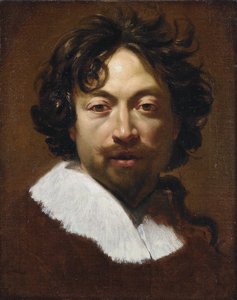
History and Origins of the Museum
The Blanton Museum of Art is situated on the campus of The University of Texas at Austin. Its origins trace back to 1927, stemming from a generous gift from an unexpected source. During that year, Archer M. Huntington donated four thousand acres of land in Galveston, Texas, to the university. This endowment included specific instructions that the land be dedicated to the support of an art museum.
The institution's identity evolved alongside its physical growth. Following the commencement of construction on a new building in 2003, the institution was renamed the Blanton Museum of Art. This transition marked a significant period in the museum's development, moving toward the integrated complex that exists today.
The Museum Building and Architecture
The museum complex consists of two primary structures. The Mari and James A. Michener Gallery Building houses the permanent collection and provides space for temporary exhibitions. Adjacent to this is the Edgar A. Smith Building, which contains the museum shop, classrooms, an auditorium, and administrative offices.
The architectural design of the new building complex was executed by Kallmann McKinnell & Wood Architects. The site integrates indoor spaces with a 145,000-square-foot public plaza and garden. This outdoor area was designed by Peter Walker and Partners.
Major Collections and Art Holdings
The permanent collection comprises more than 22,000 works. These holdings span several eras, ranging from ancient Greek pottery to modern and contemporary art. The museum maintains significant collections of Latin American art and Old Master paintings. These pieces are held within the permanent galleries and the specialized print study room.
A substantial portion of the holdings consists of prints and drawings. These works originate from Europe, the United States, and Latin America. The breadth of the collection allows for a direct comparison between historical European traditions and more recent developments in American and Latin American art. The museum also maintains a collection of plaster casts, including reproductions of ancient Greek and Roman sculpture.
- Portrait of William III, Prince of Orange, about 1670
- Saint Agnes, about 1618
- Saint Cecilia, about 1626
- Emma Hamilton
- Indian Canoe, 1886
- Yosemite, 1887
Educational Programs and Learning
The museum designs experiences that respond to different learning styles, developmental stages, and curricular goals. These programs aim to support student learning and complement in-person guided visits through a variety of methods. A wide selection of videos and guides is available to assist educators and students in their study of the collection. Digital resources are also provided through the MuseumFromHome page to extend access beyond the physical galleries.
Guided tours are held on select Tuesdays, Saturdays, and Sundays. These tours are conducted in both English and Spanish. The museum's educational team focuses on providing resources that meet people where they are, encouraging close looking and interpretation to foster creativity and critical analysis.


