
A Temple of Minds Embodied in Stone
The Parisian skyline is punctuated by monuments that whisper tales of revolution, enlightenment, and artistic ambition. Among these, the Panthéon stands as a particularly resonant symbol – not merely a building, but a distillation of French identity itself. Originally conceived in the mid-18th century by King Louis XV as a church dedicated to Saint Genevieve, the patron saint of Paris, its destiny was dramatically altered by the currents of history. The French Revolution swept away the old order, and with it, the Panthéon’s religious purpose. Reimagined as a secular mausoleum, it became a “temple of minds,” a final resting place for France’s most celebrated thinkers, writers, scientists, and heroes – a testament to the power of intellect and artistic achievement. The very stones seem to hum with the weight of their legacies.
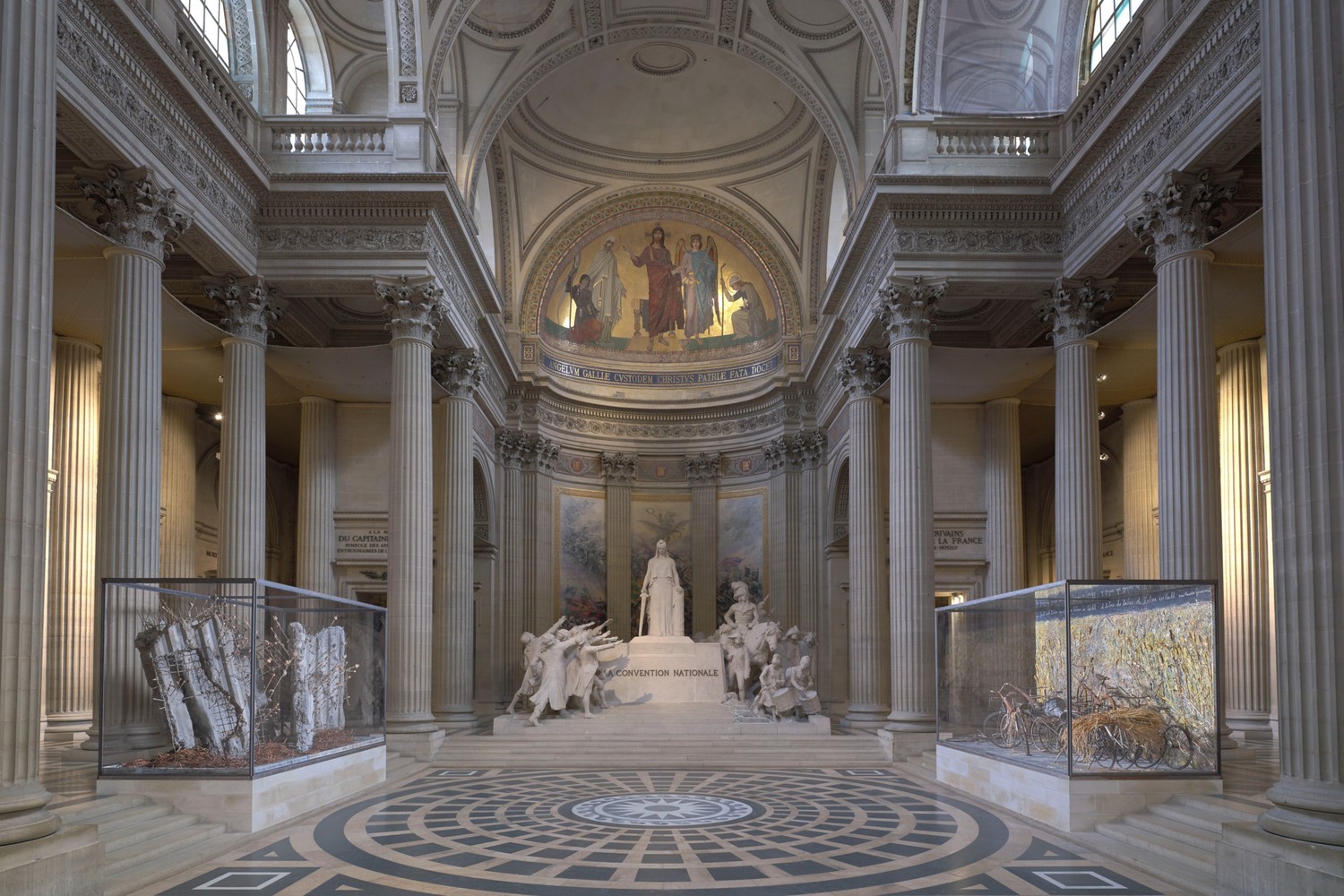
Jacques-Germain Soufflot’s design is a masterful embodiment of neoclassical principles, drawing direct inspiration from the Pantheon in Rome. However, Soufflot did not simply replicate his ancient predecessor; he infused it with distinctly French sensibilities. The imposing facade, adorned with Corinthian columns and intricate sculptural reliefs – such as David d’Angers’ stunning pediment relief depicting France being glorified – speaks to a desire for order, reason, and civic virtue. Stepping inside, one is immediately struck by the sheer scale of the nave and the soaring height of the dome, an engineering marvel that floods the interior with light. This deliberate use of space was intended to evoke a sense of awe and inspire contemplation, mirroring the Enlightenment ideals of reason and progress that underpinned the building’s original conception. The interplay between light and shadow, the carefully considered proportions, all contribute to an atmosphere of solemn grandeur.
A Repository of Cultural Memory
The Panthéon is more than just a beautiful structure; it is a living archive of French cultural memory. Within its crypt lie the remains of individuals who have profoundly shaped not only their nation but also the world. Voltaire, the sharp-tongued philosopher whose writings challenged convention, rests alongside Jean-Jacques Rousseau, the Romantic visionary whose ideas fueled revolutionary fervor. Marie Curie, a pioneer in radioactivity and the first woman to win a Nobel Prize, finds her final repose here, as does Victor Hugo, author of Les Misérables , whose literary genius captured the soul of France. Émile Zola, a leading figure in naturalist literature, also occupies this hallowed ground. Each tomb is a poignant reminder of their contributions, inviting visitors to reflect on their lives and legacies.
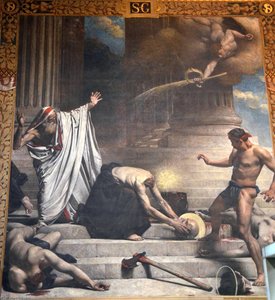
The artistry within the monument extends beyond the famous inhabitants to the very fabric of its decoration. The sarcophagus of Victor Hugo, crafted by Etienne and Louis-Antonin Neurdein, stands as a particularly noteworthy sculptural tribute to the literary giant. While not an art museum in the conventional sense, the Panthéon’s collection is found in its commemorative elements—frescoes depicting scenes from the lives of the honored figures and symbolic sculptures that serve as a powerful narrative of French history. It is a space where history is not simply observed but felt, making it a profound destination for those who seek to connect with the intellectual heartbeat of Europe.
An Ever-Evolving Monument
Unlike traditional museums focused on displaying static collections, the Panthéon’s true collection is its inhabitants. The monument itself, along with the paintings and sculptures that commemorate those interred within, serves as a continuous narrative of French progress. It remains a living monument; it is not merely preserved but continues to evolve as new figures are inducted into its pantheon of national heroes, ensuring its relevance for generations to come. For the visitor, the experience is completed by the seasonal access to its dome, which offers breathtaking panoramic views of Paris, physically connecting the historical weight of the monument to the vibrant, living city that surrounds it.