
Origins and History of the Brooklyn Museum
The roots of the Brooklyn Museum trace back to 1823, when it began its existence as the Brooklyn Apprentices' Library. This institution was established with a specific purpose: to provide educational opportunities for the city's working class. Following its formal incorporation on November 24, 1824, the organization continued to evolve alongside the growing community. In 1843, the institution merged with the Brooklyn Institute of Arts and Sciences, a step that expanded its reach and purpose within the city.
The current building, which defines the museum's presence in Brooklyn, dates to 1897. This structure replaced earlier iterations that had been lost to time, including a previous building on Washington Street that was destroyed by fire in 1891. The transition from a library for working men to a large-scale cultural institution reflects the changing needs of New York City over two centuries. The museum has undergone several expansions since its inception, growing from its humble beginnings into a significant repository of global history.
The Beaux-Arts Architecture and Building
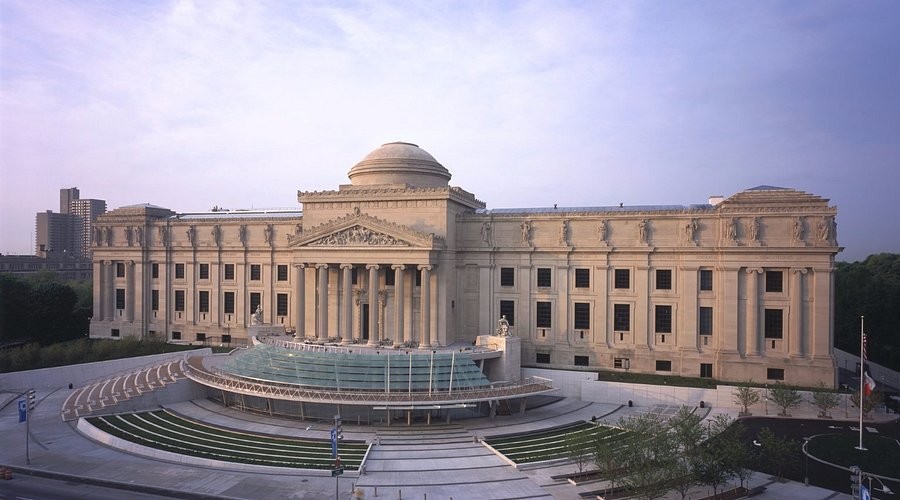
The building itself functions as a significant work of art, designed by the firm McKim, Mead & White. Situated near the Prospect Heights, Crown Heights, Flatbush, and Park Slope neighborhoods, the structure embodies the Beaux-Arts style through its symmetry and meticulous detailing. Corinthian columns rise toward the sky, while intricate sculptures adorn the pediments. This architectural presence establishes a sense of awe and anticipation before one even enters the doors.
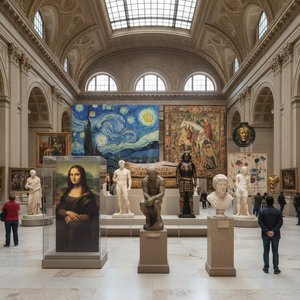
Inside, the grand entrance hall provides a sense of both grandeur and intimacy. A sweeping staircase leads the way through a space defined by soaring ceilings, marble floors, and meticulously crafted moldings. Large murals depicting scenes from mythology and history decorate the interior, grounding the visitor in a sense of historical narrative. The careful consideration given to light and space within these halls enhances the experience of encountering the objects held within the walls.
Diverse Collections and Global Art
The museum holds an encyclopedic collection of more than 140,000 objects representing cultures worldwide. This vast assembly includes over half a million objects in total. Among these, the Egyptian antiquities offer a glimpse into the lives and beliefs of pharaohs and their subjects. These pieces exist as physical remnants of a distant era, providing a direct connection to the rituals and social structures of ancient Egypt.
The breadth of the collection extends through various traditions and eras. Remarkable collections representing European, African, Oceanic, and Japanese art are held within the walls. These works allow for a quiet study of how different societies have approached form and meaning. Alongside these global traditions, the museum maintains a significant presence of American art, with works dating back to the Colonial period.
The scale of the holdings ensures that many different perspectives are represented. The presence of these diverse objects creates a space where various historical narratives exist in proximity. Each piece, from a small funerary object to a large-scale installation, contributes to the overall depth of the institution's holdings.
Masterpieces and Notable Artists
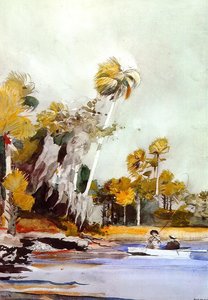
The presence of the collection is felt through the weight of individual expressions. The works of Winslow Homer command attention, particularly Through the Rocks, which dates to about 1883. These pieces exist alongside the quiet, urban solitude found in the paintings of Edward Hopper and the immersive color fields of Mark Rothko. Each artist offers a distinct way of seeing the world, from the rugged textures of the natural landscape to the psychological depth of modern life.
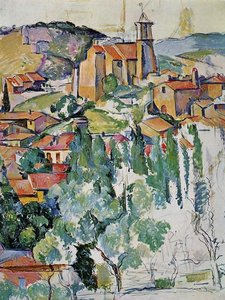
In the galleries, the dialogue between different eras becomes tangible. Paul Cézanne’s The Village of Gardanne, painted in 1885, holds its own space against the works of Edgar Degas and Camille Pissarro. These paintings represent specific moments of light and form that remain fixed in time. The museum also houses the significant installation The Dinner Party by Judy Chicago, a work that occupies the space with a unique, intentional gravity.
- The Village of Gardanne, 1885 - Paul Cézanne
- Through the Rocks, about 1883 - Winslow Homer