
A Sanctuary of Raw Emotion: The Brücke Museum
Nestled within the tranquil, leafy enclave of Berlin’s Dahlem district, the Brücke Museum serves as a profound sanctuary for the fervent spirit of German Expressionism. It is not merely a repository of canvas and stone, but an immersive gateway into the soul of Die Brücke —the "Bridge"—a movement that sought to span the gap between traditional academic constraints and the raw, unadulterated truths of the human experience. Established in 1967 through the visionary generosity of artists Karl Schmidt-Rottluff and Erich Heckel, this institution preserves the rebellious heartbeat of a generation that dared to redefine the visual language of the twentieth century.
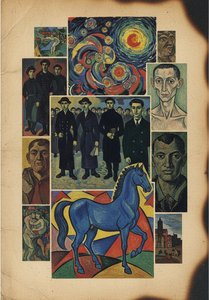
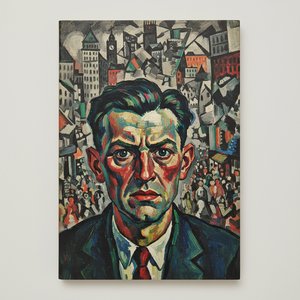
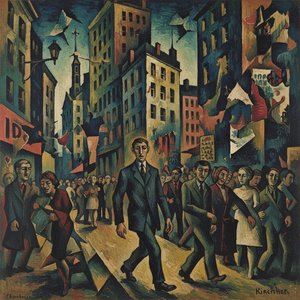
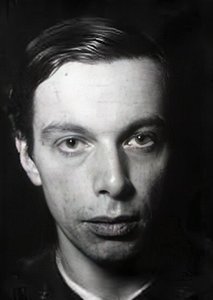
The museum’s collection is a breathtaking testament to the power of distortion and color as emotional conduits. With over 400 paintings, sculptures, and an expansive archive of drawings and prints, the galleries pulse with the energy of artists like Ernst Ludwig Kirchner, who utilized jagged lines and jarring, non-naturalistic palettes to mirror the psychological anxieties of a modernizing world. Visitors may find themselves captivated by the profound depth of Kirchner’s Self-Portrait , where the artist’s inner turmoil is etched into every bold stroke, or wander through landscapes that feel less like topographical records and more like symbolic projections of solitude and longing. The museum also shines a light on the movement's mastery of printmaking, showcasing how woodcuts and linocuts were used to push the boundaries of texture and graphic intensity.
Architectural Harmony and Historical Resonance
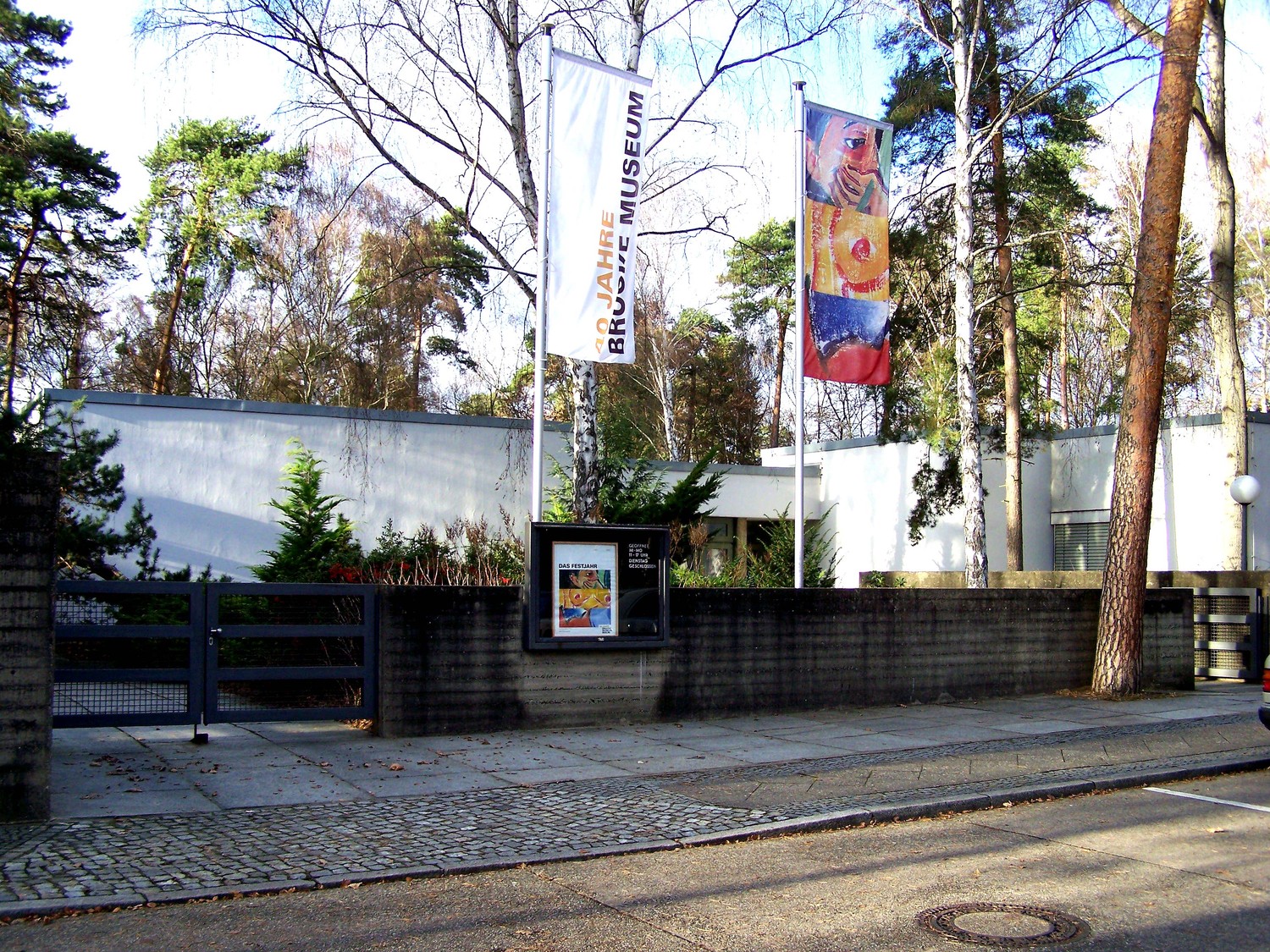
Beyond the masterpieces themselves, the architecture of the Brücke Museum offers a contemplative dialogue with its contents. Situated in a serene setting that echoes the artists' own desire for an escape from the suffocating pressures of urban life, the museum’s design fosters an atmosphere of quiet introspection. This architectural harmony is further enriched by its proximity to the studio of Arno Breker, creating a localized landscape of historical significance. For the art lover and interior designer alike, the museum provides a masterclass in how space and context can elevate the emotional resonance of a collection, making each encounter with the works feel like a private revelation.
What truly distinguishes the Brücke Museum is its unwavering commitment to both historical integrity and contemporary relevance. The institution does not simply look backward; it actively engages in the vital work of provenance research, addressing the complex histories of artworks once held by Jewish families during the Nazi era with transparency and ethical rigor. Through rotating special exhibitions that connect Expressionist themes to broader artistic currents, the museum ensures that the legacy of Die Brücke remains a living, breathing dialogue. It remains an essential pilgrimage for anyone seeking to understand the formative tremors of modern art—a place where the shadows of the past and the vibrant colors of the present converge.