

The History of Vatican Pinacoteca
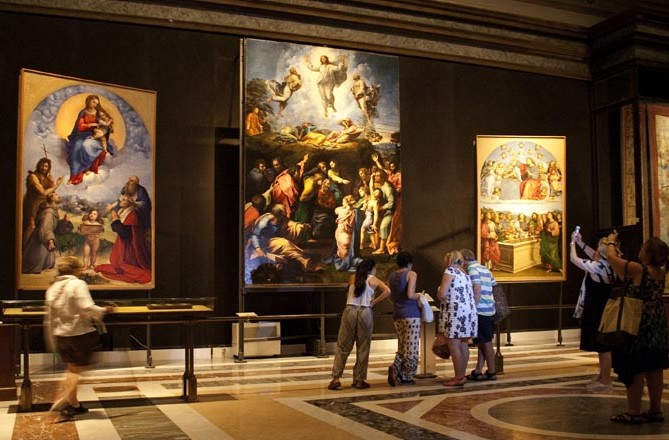
The Vatican Pinacoteca emerged from a need to provide a permanent, dedicated home for sacred works that had previously been moved between various apostolic palaces. Established at the behest of Pope Pius XI, the gallery was inaugurated on 27 October 1932. This creation allowed for a structured arrangement of the Church's artistic holdings, moving away from the scattered placement of earlier centuries. The collection now comprises approximately 460 paintings, organized to reflect the progression of artistic development.
The arrangement of the gallery follows a chronological sequence, spanning from the 12th-13th century through to the 19th century. This timeline is distributed across 18 main rooms, allowing for a quiet observation of how religious expression and technique evolved over several hundred years. The presence of these works within the Vatican Museums provides a sense of continuity, linking the early Primitives to the later developments of the Renaissance and beyond.
The historical weight of the collection is felt in the specific eras represented within its walls. While many pieces were gathered through various donations and acquisitions over time, the core of the Pinacoteca remains its ability to hold these specific historical moments in a single, quiet space. Some of the significant periods and works include:
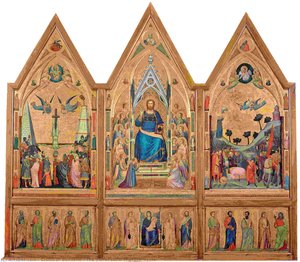
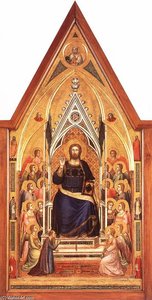
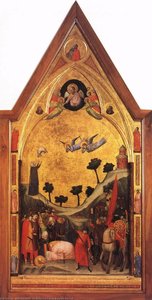
- The Stefaneschi Triptych, about 1313-1320
- The Madonna of Foligno, c. 1504-1506
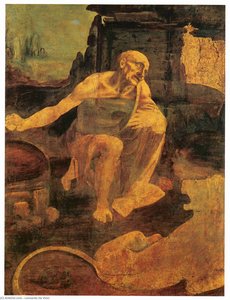
- Saint Jerome in the Wilderness, c. 1473-1475
Masterpieces of the Italian Renaissance
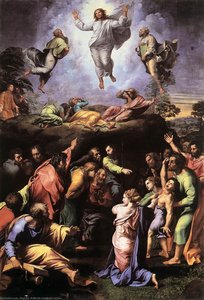
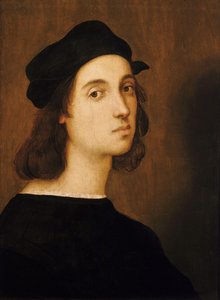
The presence of Raphael within these walls is felt most intensely in The Transfiguration, a massive altarpiece from about 1519. The composition carries a profound sense of divine illumination, where light sculpts the figures and separates the earthly from the celestial. Nearby, the Madonna of Foligno offers a different study in grace, balancing human tenderness with a structured, theological clarity. These works represent a peak in the ability to render the spiritual through precise anatomical form and the careful application of color.
Leonardo da Vinci’s Saint Jerome in the Wilderness remains a significant presence, even in its unfinished state. The work on walnut panel reveals a relentless pursuit of psychological depth and the subtle gradations of tone that define his approach to the human form. This focus on the individual is echoed in the works of Perugino, whose paintings occupy a central place in the gallery's narrative of the era. The collection also holds the delicate, luminous compositions of Fra Angelico, whose figures possess a quiet, spiritual weight.
The transition of styles is further documented through the works of Melozzo da Forlì. His paintings, including the fresco transferred to canvas depicting Sixtus IV Appointing Platina as Prefect of the Vatican Library, demonstrate a sophisticated command of perspective and architectural space. The collection holds several significant pieces from this period:
- The Transfiguration, 1519 - Raphael
- Madonna of Foligno - Raphael
- Saint Jerome in the Wilderness - Leonardo da Vinci
- Sixtus IV Appointing Platina as Prefect of the Vatican Library - Melozzo da Forlì
The Stefaneschi Triptych by Giotto
The presence of Giotto di Bondone’s Stefaneschi Triptych within the Pinacoteca demands a stillness that few other works require. Commissioned around 1313 for the Canon's altar in Old St. Peter's Basilica, the piece carries the weight of its original liturgical purpose. The central panel, or the recto, dates to about 1330. It represents a departure from the flattened, symbolic traditions of the past, introducing a sense of physical volume and human emotion that anchors the figures in a tangible space. The faces of the saints possess a specific, heavy sorrow, moving away from the stylized icons of the Byzantine era toward a more grounded, human reality.
To stand before this work is to witness the emergence of narrative clarity. Giotto uses color and composition to direct the eye, creating a hierarchy of spiritual importance through light and gesture. The figures are no longer mere symbols; they are individuals with weight and presence. The triptych's structure allows for a complex reading of the sacred, where the divine and the human intersect through the careful arrangement of drapery and anatomical form. It remains a fundamental point of reference for the development of Western painting.
- The Stefaneschi Triptych: St Peter Enthroned (detail), 1330 - Giotto di Bondone
- The Stefaneschi Triptych: Christ Enthroned, 1330 - Giotto di Bondone
- The Stefaneschi Triptych: Martyrdom of St Paul, 1330 - Giotto di Bondone
Artistic Works of the 15th Century
The fifteenth century within the Pinacoteca reveals a transition toward greater complexity in both form and narrative. In 1425, Gentile da Fabriano produced the Annunciation (detail), a work that captures a specific moment of divine encounter. This same year, the artist also executed the Quaratesi Polyptych: St Nicholas and Three Poor Maidens. These pieces reflect a period of intense devotion and technical precision. The presence of these works allows for a quiet study of the early Quattrocento style.
As the century progressed, the focus shifted toward the lyrical and the decorative. Benozzo Gozzoli’s Madonna della Cintola (detail), painted about 1450, offers a glimpse into the refined aesthetic of the mid-century. The brushwork and composition invite a slow, steady observation of the figures. Nearby, the works of Melozzo da Forlì from 1480 provide a different kind of energy. His Music-making Angel and Angel with Tambourine demonstrate a mastery of movement and grace. These figures exist with a lightness that contrasts with the more structured compositions of the decades prior.
- Annunciation (detail), 1425 - Gentile da Fabriano
- Quaratesi Polyptych: St Nicholas and Three Poor Maidens, 1425 - Gentile da Fabriano
- Madonna della Cintola (detail), about 1450 - Benozzo Gozzoli
- Music-making Angel, 1480 - Melozzo da Forlì
- Angel with Tambourine, 1480 - Melozzo da Forlì
Visiting: What to See First
The experience begins with the weight of Giotto di Bondone’s Stefaneschi Triptych. This work, commissioned about 1313, carries a newfound emotional resonance in the faces of St. Peter and Paul. The figures possess a physical presence that departs from the flattened styles of previous eras. One finds a deliberate use of color intended to guide the eye toward the radiant visage of Christ.
Moving through the chronological sequence, Raphael’s The Transfiguration commands the space. The composition uses light and shadow to sculpt form, particularly where Christ’s halo illuminates his body. Nearby, Leonardo da Vinci’s Saint Jerome in the Wilderness offers a study in psychological depth. The use of sfumato creates an ethereal atmosphere around the figure, conveying a sense of contemplative solitude. These works exist as quiet presences within the gallery's light-filled environment.
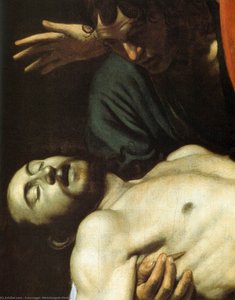
The intensity of the collection is felt in the presence of Caravaggio. His The Deposition from the Cross provides a dramatic encounter with the human condition. The shadows and light define the tension within the scene, demanding a slow, steady observation.
- The Transfiguration, 1519 - Raphael
- Saint Jerome in the Wilderness, about 1480 - Leonardo da Vinci
- The Deposition from the Cross - Caravaggio