
The History of St. Peter's Basilica
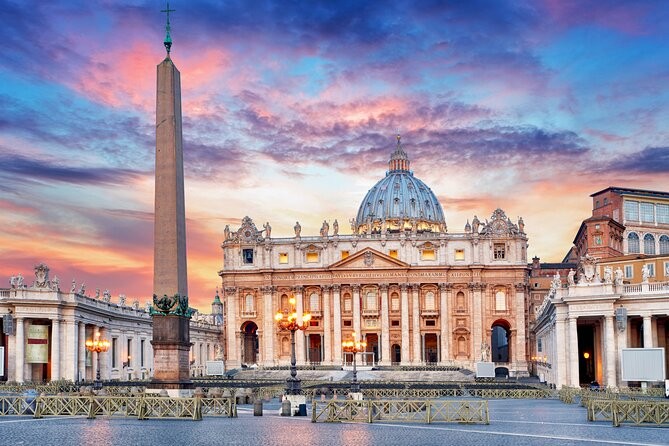
St. Peter's Basilica is located in Vatican City, Italy. The site is established as the burial place of the apostle Peter. In the fourth century CE, Constantine commissioned the first basilica to be built over this location. This original structure served the religious needs of the early Christian community for many centuries.
The current building is a later construction. Work on the present basilica began on 18 April 1506. This massive undertaking continued for over a century, reaching completion on 18 November 1626. The site remains a major destination for millions of pilgrims who travel here for religious reasons.
The history of the site is marked by several significant artistic additions and structural changes over the centuries. Some of the historical works associated with the site include:
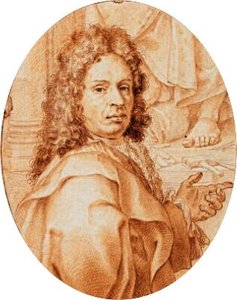
- Monument of Sixtus IV, 1484 - Antonio del Pollaiuolo
- Ciborium, 1432 - Donatello
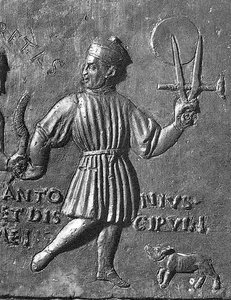
- Bronze door (detail), 1433 - Filarete
Architectural Design and Grandeur
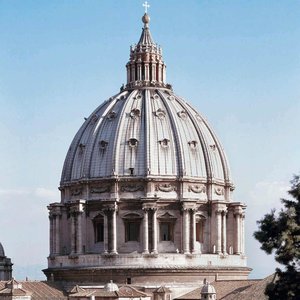
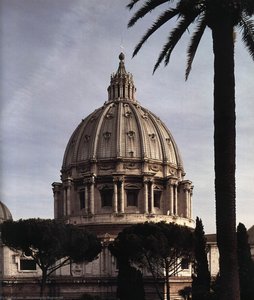
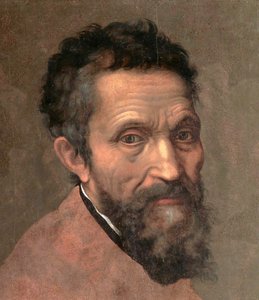
The basilica is a cruciform structure designed in the Latin cross form. Its interior dimensions reach a length of 218 meters, and the structure reaches a height of 136 meters including the dome. Michelangelo's dome dominates the Roman skyline. Within the nave, three bays feature piers that support the highest barrel vault of any church. The entrance is marked by a narthex and the Holy Door.
Gian Lorenzo Bernini designed the colossal colonnade that surrounds the space. This architectural arrangement defines the scale of the site. The building remains one of the largest churches globally. Its physical presence is defined by the interplay of these massive structural elements and the vastness of the central nave.
Masterpieces of the Basilica Collection
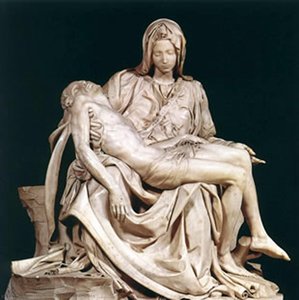
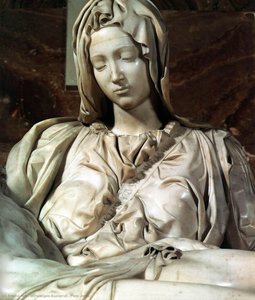
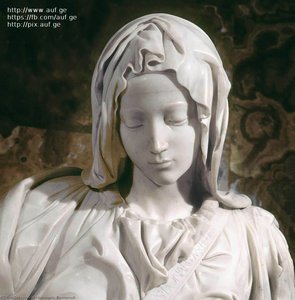
The interior of the basilica contains significant sculptural and painted works that define its liturgical space. Michelangelo's Pietà, sculpted between 1498 and 1499, is located within the church. Nearby, the Monument of Sixtus IV was created by Antonio del Pollaiuolo about 1484. In the Cappella Nuova, Fra Angelico's Ordination of St. Stephen is housed. These works exist alongside Michelangelo's Moses, a sculpture situated within the basilica's walls.
The central liturgical area is marked by the Baldacchino, a large bronze canopy created by Gian Lorenzo Bernini in about 1624. This structure sits near other significant sculptural commissions, such as the 1631 work Saint Longinus by Bernini. Alessandro Algardi's 1646 relief, The Meeting of Leo I and Attila, provides a detailed historical scene in marble. The collection also includes the 1792 Tomb of Pope Clement XIII by Antonio Canova.