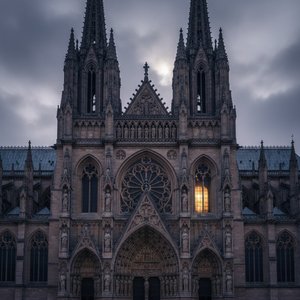


A Renaissance Symphony in Stone: The Majesty of Granada Cathedral
In the beating heart of Andalusia, where the echoes of Islamic grandeur meet the soaring ambitions of Christian triumph, stands the Granada Cathedral. This is not merely a monument of stone and mortar; it is a living chronicle of Spain’s most transformative era. To walk toward its monumental façade is to witness the physical manifestation of the Reconquista, a structure born from the very site of Granada’s Great Mosque. The cathedral serves as a profound architectural bridge, where the memory of a vanished caliphate was overwritten by the burgeoning splendor of the Renaissance and the dramatic theatricality of the Baroque. It is a place where history does not just reside in books but breathes through the intricate carvings and the heavy, sacred atmosphere of its vast nave.
The architectural journey of the cathedral is one of evolution and artistic layering, offering a masterclass in how different eras can harmonize to create a singular, overwhelming sense of awe. The initial vision, conceived by the master Diego de Siloe in 1518, sought to honor a Gothic foundation, yet the spirit of the age quickly infused the project with Renaissance ideals of proportion and classical grace. As decades turned into centuries, architects like Enrique Egas and Juan de Maeda layered upon this foundation, introducing the exuberant ornamentation characteristic of the Spanish Baroque. This fusion creates a unique aesthetic tension—a rhythmic interplay between the structural strength of medieval traditions and the fluid, emotive energy of later movements that captivates the modern eye.
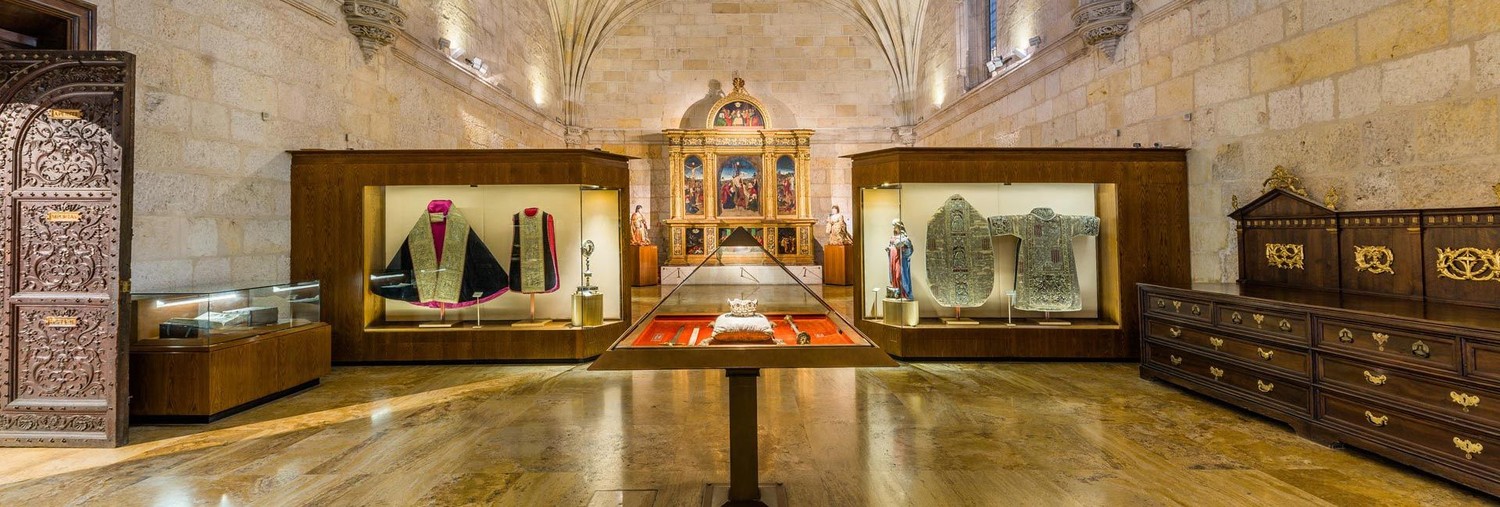
Stepping inside, the visitor is enveloped in an unparalleled collection of spiritual and artistic treasures that illuminate the heights of 17th and 18th-century mastery. The interior acts as a sanctuary for monumental paintings that utilize chiaroscuro to evoke deep theological truths, pulling the viewer into scenes of breathtaking realism. Perhaps the most transcendent experience, however, is found within the Royal Chapel. Dedicated to the memory of Queen Isabella I and King Ferdinand II, this sacred space is a jewel box of artistic achievement. Here, the soaring vaulted ceilings are adorned with intricate mosaics, while light filters through exquisite stained glass windows crafted by Flemish artisans. The presence of the monarchs' alabaster tomb adds a layer of solemnity, anchoring the cathedral’s artistic splendor to the very foundations of Spanish national identity.
For collectors and designers of fine spaces, the Granada Cathedral represents the ultimate inspiration for grandeur and texture. Its legacy is not confined to its walls; it continues to inspire through periodic exhibitions that bring global masterpieces into dialogue with its permanent collection. The cathedral remains a beacon of preservation, a testament to the enduring power of art to define a culture. It stands as a reminder that true beauty is found in the layers of time—in the way a single site can hold the weight of conquest, the light of faith, and the eternal elegance of human creativity.