

A Tapestry of Faith and Art: Exploring Naples Cathedral
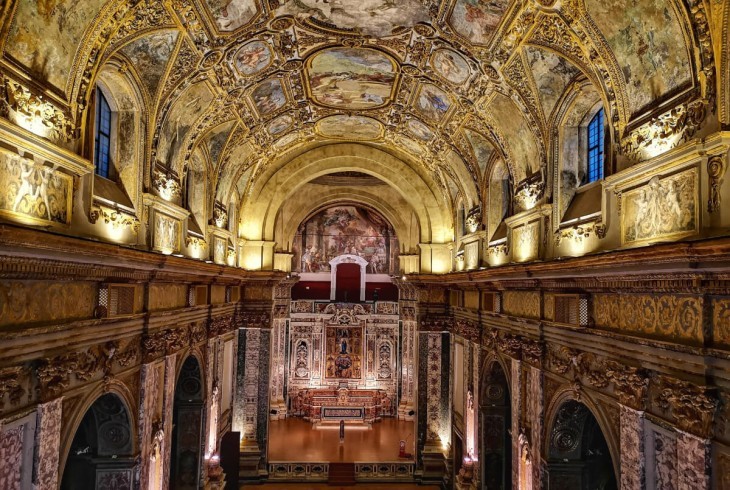
Naples Cathedral, officially known as Cattedrale di Santa Maria Assunta, stands as a monumental testament to centuries of Neapolitan history—a fusion of architectural styles that whispers tales of emperors, saints, and artistic brilliance. More than simply a place of worship, this magnificent edifice is a palostype of time itself, inviting visitors on an unforgettable journey through faith, art, and cultural heritage. The cathedral’s story begins in the 4th century with a modest basilica dedicated to Saint Eustachius, which served as the spiritual heart of early Naples. Subsequent rulers—including Byzantine emperors and Norman kings—added layers of embellishment, shaping its character over time. However, it was Charles I of Anjou who initiated the ambitious project that would transform the cathedral into its current form: a soaring Neo-Gothic masterpiece completed in 1905. Three vast naves dominate the interior space, supported by colossal granite columns adorned with busts of popes and bishops—silent guardians of countless prayers and ceremonies. Above them all ascends a vaulted ceiling ablaze with gilded splendor and vibrant frescoes, creating an atmosphere of awe-inspiring grandeur that transports visitors back to the medieval era.
Undoubtedly, the cathedral's most celebrated treasure is the Cappella di San Gennaro , dedicated to Naples’ patron saint—a chapel brimming with Baroque splendor and imbued with profound religious significance. Lavishly decorated with silver and gold leaf, every surface gleams with intricate artistry, serving as a visual expression of the fervent piety that defines Neapolitan culture. At its center lies the vial containing San Gennaro’s blood, said to liquefy periodically during solemn processions—a phenomenon steeped in mystery and tradition that draws pilgrims from across Italy and beyond. Alongside the chapel resides the Tesoro di San Gennaro , an equally dazzling collection of reliquaries, sculptures, and precious metals—tangible representations of centuries of offerings and unwavering belief. This intersection of the sacred and the material creates a sensory experience where the weight of gold meets the lightness of divine devotion.
The cathedral's interior is further enriched by masterpieces of Neapolitan Baroque art, notably the frescoes executed by Luca Giordano —a celebrated artist who captured the dynamism and emotion of biblical narratives with unparalleled skill. His canvases burst forth with vibrant color palettes and dramatic compositions, transporting viewers into scenes from the Old Testament and illuminating the spiritual essence of Christian faith. Visitors can admire his monumental altarpiece depicting Saint Peter’s martyrdom, a breathtaking achievement of artistic technique and expressive power. Beyond these grand displays, the Diocesan Museum, nestled within the cathedral complex, offers a deeper exploration into Naples’ artistic legacy—housing works by other prominent Neapolitan masters such as Aniello Falcone , Francesco Solimena , and Massimo Stanzione . Among its treasures are early Christian mosaics dating back to the 6th century—a glimpse into the very foundations of Naples' religious art and offering insights into Byzantine artistic traditions. Furthermore, Santa Restituta, the oldest part of the cathedral, houses stunning mosaics that showcase remarkable craftsmanship and represent an invaluable contribution to European art history.