

A Tapestry of Time: The Elegance of Collection Rothschild
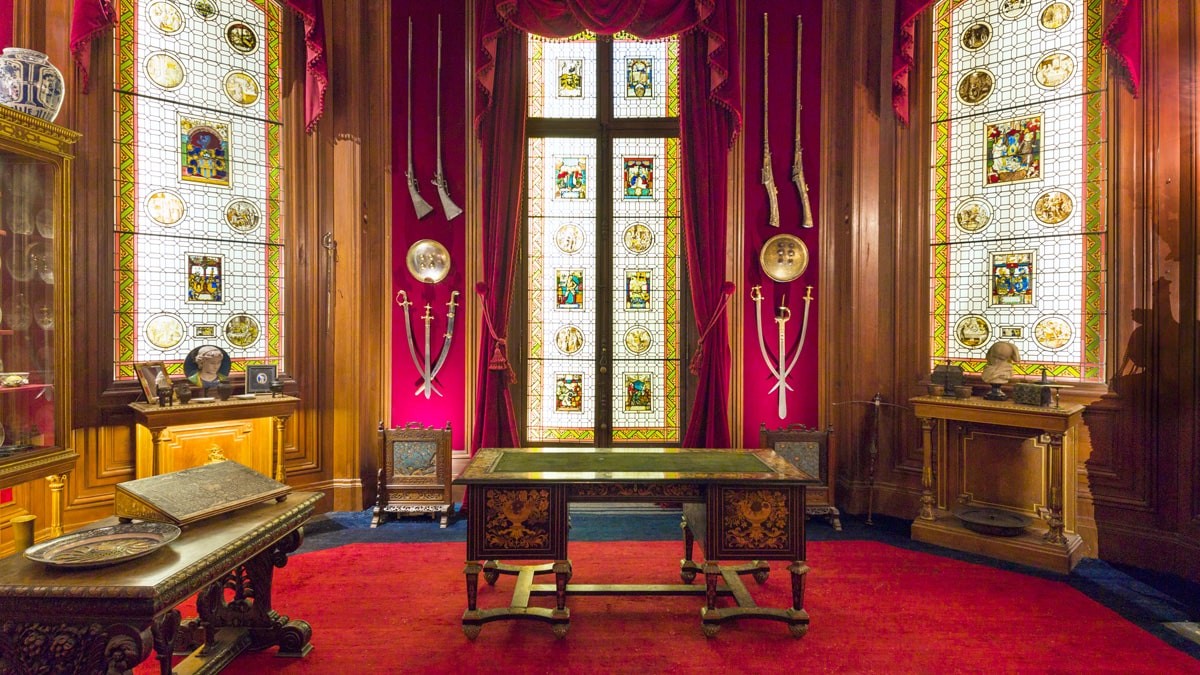
In the luminous heart of Paris, where history breathes through the very stones of the city, lies a sanctuary that transcends the traditional boundaries of the art museum. The Collection Rothschild offers far more than a mere viewing of fine art; it presents a breathtaking panorama of European identity through the lens of 16th and 18th-century theatrical and courtly fashion. This extraordinary assemblage, a profound bequest from the illustrious Rothschild family, invites the observer to look beyond the canvas and into the very fibers of social existence. Here, the distinction between art and attire dissolves, revealing how the drape of a silk brocade or the weight of a velvet gown served as a powerful instrument for conveying status, identity, and the shifting cultural values of centuries past.
To wander through this collection is to embark on a sensory journey into the grandeur of European courts, where every stitch tells a story of patronage and prestige. The curation masterfully illuminates the intersection of craftsmanship and power, creating a dialogue between material culture and visual splendor. One might find themselves captivated by the shimmering gold threads woven into theatrical costumes, designed to dazzle under the candlelight of historical stages, or mesmerized by the opulent embroidery of royal garments adorned with pearls and gemstones. These are not merely relics of a bygone era but visual declarations of refinement that connect the viewer to the broader artistic landscape.
Material Splendor and Artistic Intersections
The depth of this collection is further enriched by its subtle threads to masterpieces such as Hans Memling’s “Triptych of the Rest on the Flight into Egypt” and the iconic elegance of portraits featuring Madame Récamier , a true symbol of Parisian Romanticism. This seamless integration of fashion and fine art allows for a profound understanding of how the decorative arts shaped the aesthetic consciousness of an era. What truly distinguishes the Collection Rothschild from its contemporaries is its multidisciplinary soul, treating fashion as a multifaceted historical medium.
While many institutions prioritize the visual arts in isolation, this collection serves as a window into technological innovation and the evolution of daily life. The archives showcase a diverse array of textiles, ranging from the humble strength of linen and wool to the decadent luster of satin, each reflecting the prevailing tastes and artisanal mastery of their time. This narrative of material culture extends even to the delicate beauty of 'Vieux Paris' porcelain , with its celebrated floral designs, and the pioneering spirit of industrial progress. For the collector or the interior designer, the collection offers an inexhaustible source of inspiration, demonstrating how the decorative arts and the history of human movement converge to create a lasting legacy of beauty.
The essence of the Collection Rothschild remains one of intimate contemplation, offering thematic explorations that challenge our perceptions of what constitutes a masterpiece. Through lenses such as:
- Fashion and Patronage
- The Decorative Arts of the Baroque
The collection continues to blur the boundaries between the functional and the ornamental, serving as an enduring testament to the idea that beauty is never just ornamental; it is a profound reflection of the human spirit, woven into the very fabric of our shared history.