
The Living Tapestry of Danish Democracy
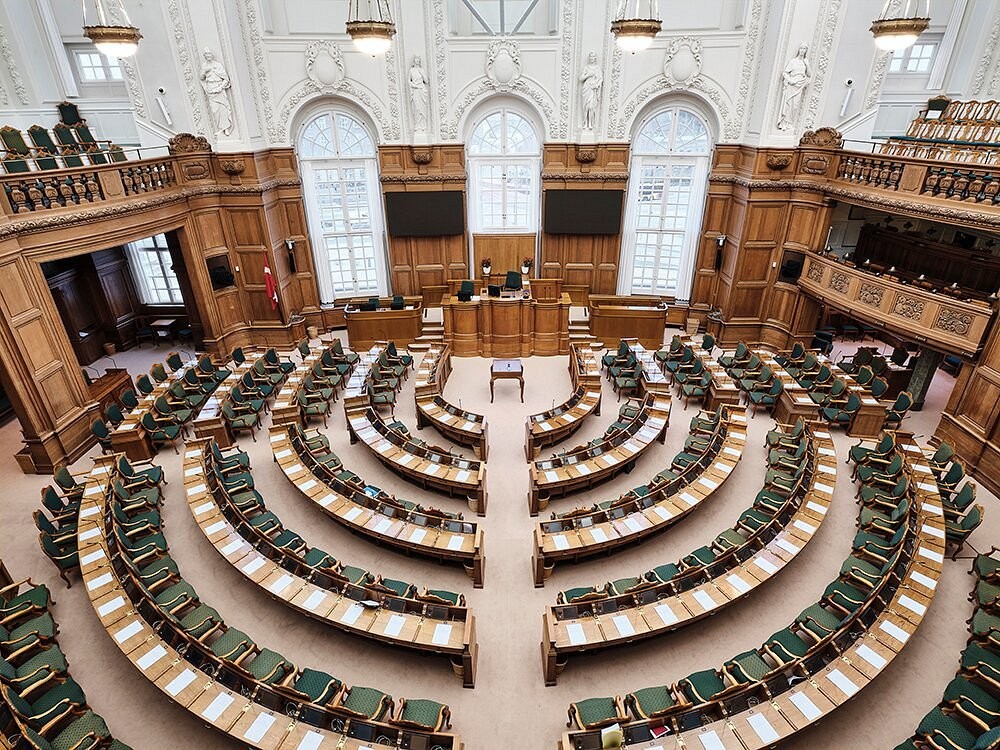
Within the storied walls of Christiansborg Palace , where the pulse of the nation beats most steadily, lies an experience that transcends the mere observation of politics. To enter the seat of the Folketinget is to step into a living narrative, a profound intersection of legislative power and artistic grandeur. The palace itself, standing resilient on the historic island of Slotsholmen, serves as a monumental testament to Danish endurance. Having risen from the ashes of devastating fires in 1794 and 1884, the current structure—completed in 1928—is a masterful architectural achievement that marries classical dignity with modern design sensibilities. For the art lover and the historian alike, the palace is not merely a building but an architectural palimpsest, where every stone and gilded ornament whispers tales of a nation’s evolution from a monarchical past to a transparent, democratic present.
As one wanders through the ornate parliamentary chambers, the atmosphere shifts from the weight of governance to the delicate beauty of craftsmanship. The interiors are far more than functional spaces for debate; they are curated environments designed to inspire reverence and thoughtful deliberation. In the Royal Reception Rooms, the splendor of Danish artistry is on full display, offering a feast for the eyes through opulent furnishings and breathtaking ceiling frescoes that capture the light of Copenhagen’s shifting skies. For interior designers and collectors, these rooms represent the pinnacle of decorative excellence, where intricate details and symbolic decorations serve to narrate the political journey of Denmark through the language of fine art and exquisite ornamentation.
A Sanctuary of Cultural Identity
The collection housed within these historic walls offers a poignant reflection of Danish cultural identity, blending historical significance with aesthetic mastery. While not a traditional museum in the conventional sense, the palace serves as a sanctuary for works that capture the very soul of the region. One cannot help but be moved by the Impressionist brilliance of Paul Gustave Fischer , whose work The Fish Market at Gammelstrand breathes life into the vibrant, bustling atmosphere of Copenhagen’s historic fishing district. Similarly, his serene depiction in A Street Scene In Winter, Copenhagen invites a moment of quiet contemplation, showcasing the architectural grace and urban tranquility of the city. These paintings do not merely decorate the halls; they act as visual anchors, connecting the contemporary political discourse to the enduring spirit of the Danish people.
What truly distinguishes the Danish Parliament is its remarkable accessibility, breaking the traditional barriers between the institution and the citizenry. It remains a dynamic, breathing entity where the public is invited to witness the mechanics of democracy firsthand through guided tours and live parliamentary sessions. This transparency creates a unique dialogue between the art on the walls and the people in the halls, fostering a sense of shared heritage. Through ongoing exhibitions that explore contemporary interpretations of Danish values and meticulous renovations aimed at preserving its architectural integrity, the palace ensures that its legacy remains both a window into the past and a beacon for the future.