


A Convergence of Form and Function: Exploring Barcelona's Design Narrative
To step within the walls of the Design Museum of Barcelona is not merely to enter a repository of beautiful objects; it is to immerse oneself in the very bloodstream of modern creativity. This institution stands as a vibrant testament to how human ingenuity—the marriage of art and utility—has shaped our daily existence. It is a place where the whispers of industrial revolution meet the bold pronouncements of contemporary artistry, inviting every visitor, from the seasoned collector to the nascent designer, into a profound dialogue with the built and crafted world.
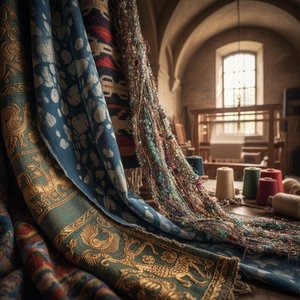
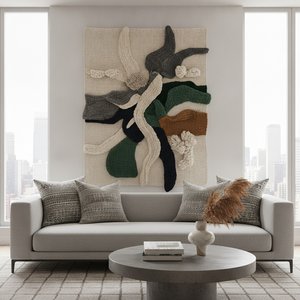
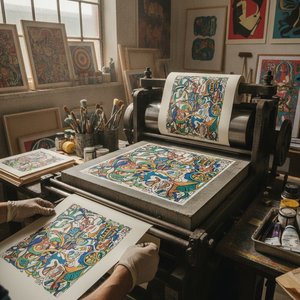
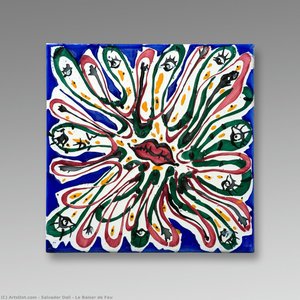
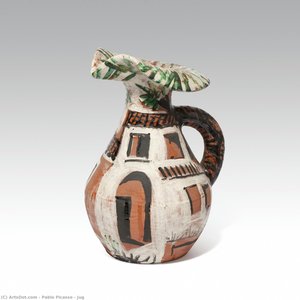
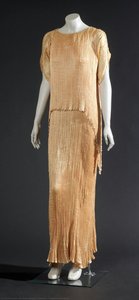
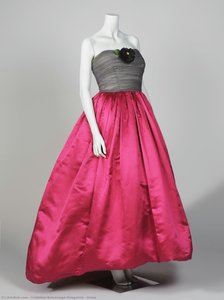
The museum’s scope is breathtakingly comprehensive, refusing to confine design to a single discipline. Instead, it embraces a holistic vision, charting pathways through space design, the meticulous craft of product creation, the logic inherent in information visualization, and the expressive poetry of fashion. One wanders past an exquisite piece of furniture, marveling at its joinery, only to turn a corner and be captivated by a graphic panel that speaks volumes through pure arrangement—a seamless narrative woven from material and concept.
The Architecture as Curator: A Modern Shell for Timeless Craft
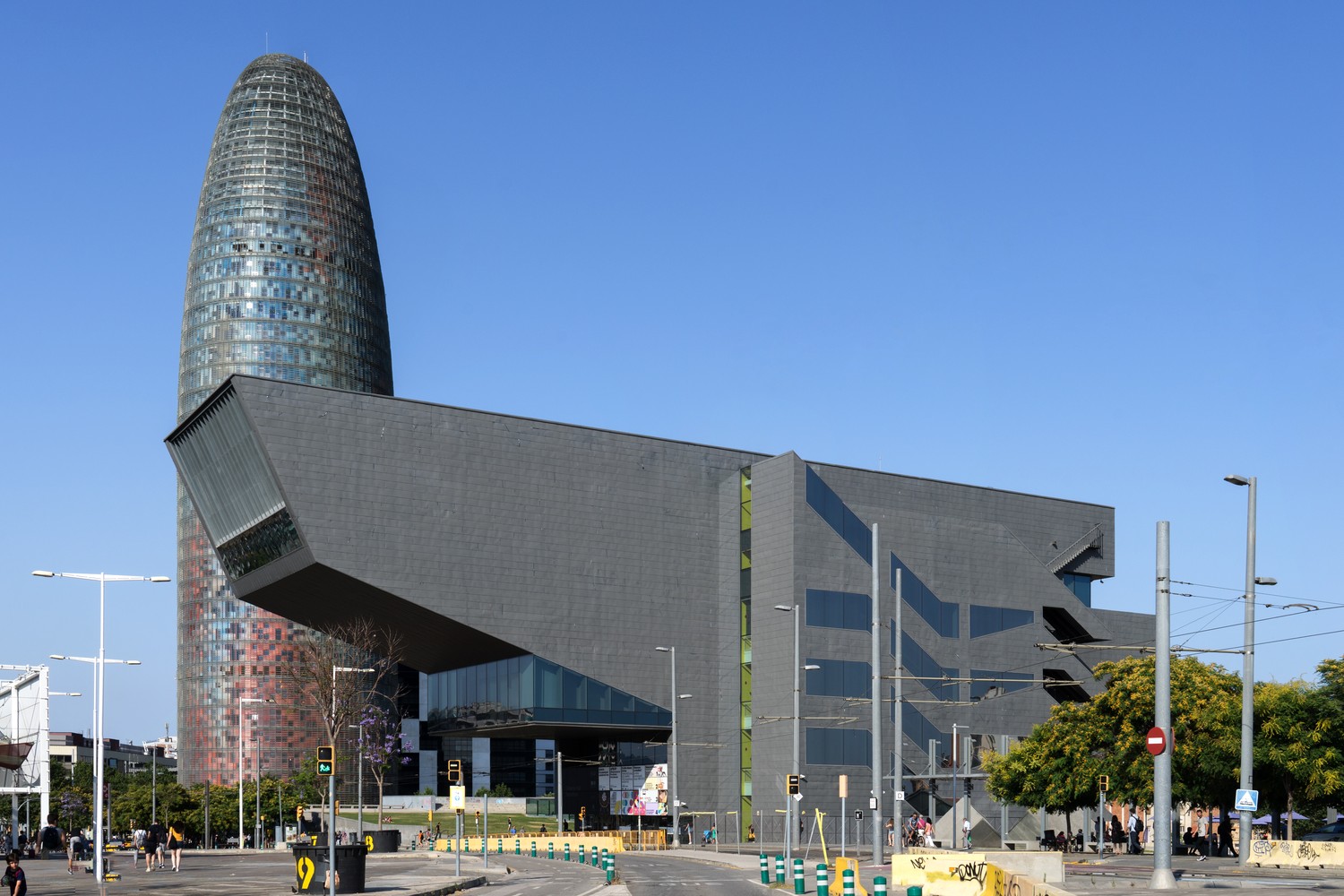
The very structure housing this collection is an integral part of the artistic statement. Situated in Plaça de les Glòries, the museum’s architecture itself speaks to a confluence of eras. It is a modern edifice that feels deeply rooted in Barcelona's rich cultural soil. The building acts as a grand, beating heart for Catalan creativity, having been conceived through the merger of several venerable institutions—the Museu de les Arts Decoratives, the Museu Tèxtil i d'Indumentària, and the Gabinet de les Arts Gràfiques collection. This physical amalgamation mirrors the museum’s intellectual mission: to unify disparate forms of making into one cohesive understanding.
The journey through its halls feels curated by light itself; vast open spaces allow individual objects—be they a revolutionary piece of lighting or an iconic garment—to breathe, commanding attention while remaining part of a larger, unfolding story. It is a masterclass in spatial storytelling, where the architecture does not merely contain art, but actively participates in its viewing experience.
Echoes Through Time: A Deep Dive into Design History
The museum’s collection functions as an unparalleled historical timeline. Here, one can trace the evolution of taste and technology across decades. The narrative flows effortlessly from the ornate craftsmanship of past epochs to the sleek minimalism that defines today's cutting edge. It is a place where the influence of masters—the echoes of Barcelona’s own storied design guilds—can be felt in every curve and stitch. To study these objects is to understand not just what was made, but why it was made, responding to the social needs, political climates, and aesthetic revolutions of their time.
The emphasis on process is key; you are encouraged to look beyond the finished product. Examine the sketches, the discarded prototypes, the material samples—these fragments offer intimate glimpses into the rigorous intellectual labor that precedes true innovation. It transforms viewing from passive appreciation into active archaeological investigation.
Beyond Display: The Living Laboratory of Design
What truly sets this museum apart is its identity as a living laboratory. It does not merely present artifacts for contemplation; it actively promotes understanding and effective use within the design world. This commitment means that notable exhibitions are rarely static retrospectives. Instead, they often feel like dialogues—inviting contemporary practitioners to engage with historical precedents. One might encounter an exhibition pairing 20th-century product design principles with cutting-edge sustainable materials, forcing a vital conversation between past genius and future necessity.
For the interior designer seeking inspiration, it is a veritable atlas of materiality; for the collector, it offers unparalleled provenance across multiple disciplines. It is an essential pilgrimage for anyone who believes that the objects we surround ourselves with possess the power to shape our very lives, making the Design Museum of Barcelona not just a destination, but a necessary intellectual encounter.