
A Sanctuary of Stone and Spirit: The Soul of Pisan Artistry
To step into the Duomo in Pisa is to embark on a profound pilgrimage through the very heart of medieval and Renaissance culture. Situated in the hallowed shadow of the Piazza dei Miracoli, this sacred space serves as much more than a mere monument; it is an immersive sanctuary where the stones of the Leaning Tower, the Baptistery, and the Cathedral itself find their voice. The architectural grandeur of Pisa’s most iconic landmarks is deconstructed and reimagined here, offering visitors a rare glimpse into the intellectual ferment and spiritual devotion that shaped one of Europe's most pivotal historical periods. It acts as a bridge between the physical weight of Pisan marble and the ethereal aspirations of the souls who carved it.
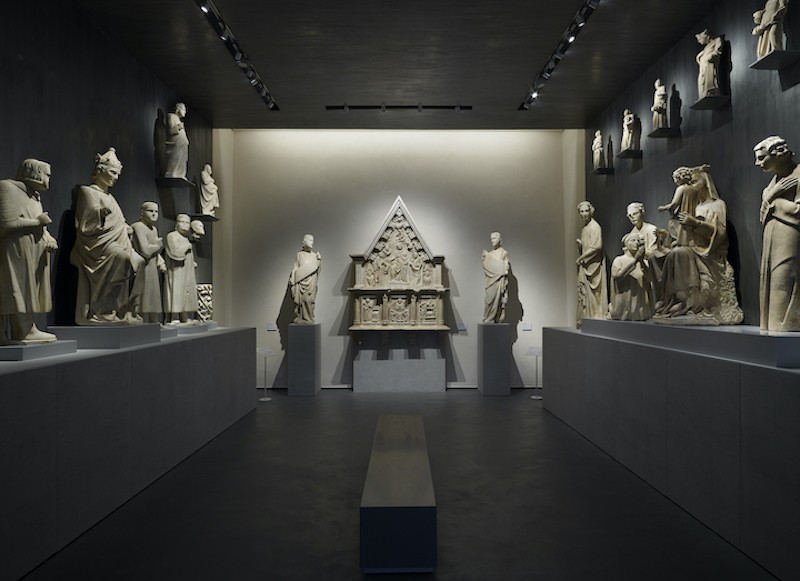
The collection finds its emotional and artistic anchor in the revolutionary sculptures of Giovanni Pisano . As one of the most formidable masters of his era, Pisano’s work represents a seismic shift from rigid Romanesque traditions toward a more dynamic, humanistic vision. His pulpit sculptures, characterized by expressive drapery and figures that seem to pulse with life, foreshadow the dramatic innovations of the Renaissance. To witness these works is to observe the precise moment when stone began to breathe, as Pisano utilized movement and emotion to challenge established conventions and redefine the sculptural language of the twelfth century.
Engineering Brilliance and Liturgical Splendor
Beyond the mastery of individual hands, the site offers a fascinating exploration of engineering brilliance through its collection of architectural models. These meticulously crafted replicas of the Leaning Tower document every stage of its storied construction, serving as tangible evidence of the ingenious—and often desperate—methods employed by Pisan builders to combat the instability of the ground. These models are not merely static representations but are windows into a scientific struggle against natural forces, celebrating the human ingenuity that allowed such an iconic, albeit tilted, marvel to endure through the centuries. This intersection of art and science provides a unique narrative for collectors and historians alike, illustrating the tension between aesthetic ambition and geological reality.
The narrative is further enriched by a vast tapestry of decorative arts and liturgical treasures that illuminate the evolving spiritual landscape of Pisa. The collection captures the intersection of faith and craftsmanship through various mediums:
- Illuminated Manuscripts: Featuring vibrant, jewel-like pigments that reflect the wealth and devotion of the era.
- Stained Glass: Ethereal windows depicting sacred biblical narratives that bathe the space in divine light.
- Architectural Fragments: Salvaged marble slabs and elements from excavations within the Piazza dei Miracoli that act as echoes of history.
For the art lover, these pieces offer a masterclass in how texture and form can convey the deepest human vulnerabilities. The Duomo remains an essential destination for anyone seeking to understand the enduring, luminous legacy of Pisa, connecting the modern observer to the ancient rhythms of pilgrimage and civic pride.