



The History and Mission of English Heritage
The roots of English Heritage trace back to the late 19th century, when initial legislation began protecting ancient monuments. This early recognition of the value held by these sites laid the foundation for a structured effort to safeguard the nation's physical history. In 1984, the organization was established, functioning as a governmental body sponsored by the Department for Culture, Media and Sport. This period marked a formalization of the responsibility to protect the landscape and its structures.
A significant shift occurred in 2015 when the organization transformed into a charity. This change in status allowed for a renewed focus on public engagement and sustainable preservation. Today, English Heritage manages over 400 historic monuments, buildings, and places in England. These sites range from prehistoric monuments to Victorian industrial sites, each maintained to ensure their continued presence in the modern era.
The mission centers on the meticulous preservation of the stories woven into the fabric of English identity. By managing these diverse holdings, the organization ensures that the physical remnants of the past—from the ramparts of Dover Castle to the Georgian elegance of Marble Hill House—remain accessible. The work involves a commitment to both the material stone and the intangible narratives of conquest, innovation, and resilience that these locations embody.
Diverse Sites and Architectural Styles
The landscape of English Heritage spans from the prehistoric silence of Stonehenge to the structured remains of Roman forts. These sites offer a physical continuity of occupation, where the weight of stone and earth marks the passage of millennia. The collection of properties includes medieval castles and Victorian townhouses, alongside stately homes that reflect the changing tastes of the British aristocracy. Each location provides a specific window into a particular era of construction and social organization.
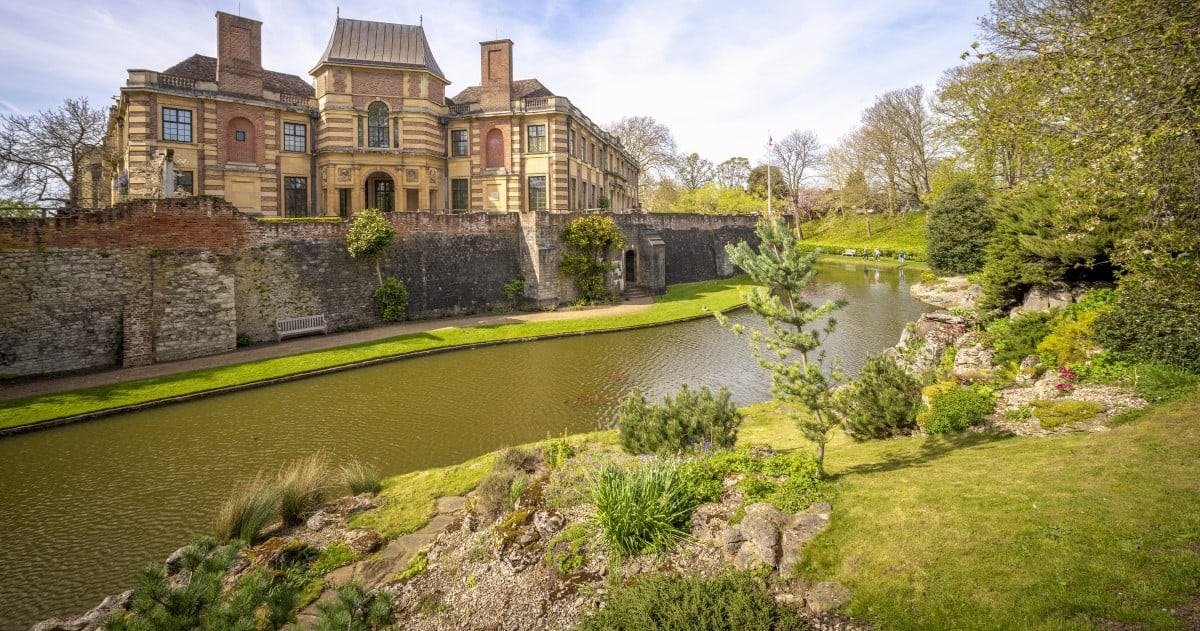
Architectural shifts are visible in the juxtaposition found at Eltham Palace, where medieval ruins meet the clean lines of an Art Deco interior. In Twickenham, Marble Hill House presents the symmetry of an 18th-century Palladian villa. These structures allow for a direct encounter with the evolution of design, from the defensive requirements of a fortress to the refined proportions of a Georgian residence. Even within religious or civic spaces, the details remain constant, such as the 13th-century stone altar and medieval tiled floor found at Winchester Palace.
- Marble Hill House, Twickenham
- Eltham Palace
- Winchester Palace
- Stonehenge
Artistic Collections and Masterpieces
The presence of art within these historic spaces offers a quiet dialogue between the viewer and the past. At Kenwood House, the atmosphere is shaped by the Wernher Collection, where Renaissance paintings and Dutch Old Masters reside alongside French tapestries. There is a specific gravity to standing before works such as Mrs Tollemache as Miranda, painted about 1774 by Sir Joshua Reynolds. The light in these rooms seems to settle differently upon the canvas, inviting a slow, steady observation of form and character.
Apsley House holds a different, perhaps more intense, visual weight. The walls contain works by Goya, Ribera, and Velazquez, creating a space defined by the heavy shadows and deliberate brushwork of these painters. In other settings, the spiritual intensity of the Baroque is felt through pieces like Bartolomé Esteban Murillo’s Saint Francis Receiving the Stigmata, dating from about 1650. These are not merely objects to be viewed, but presences that occupy the rooms they inhabit.
- Mrs Tollemache as Miranda, about 1774
- Saint Francis Receiving the Stigmata, about 1650
Engaging with History and Research
The preservation of these sites relies upon active collaboration with local communities, ensuring that conservation efforts remain rooted in the places they protect. This connection between the public and the past is furthered through modern engagement, such as recent initiatives that incorporate games into site visits to encourage interaction with history. These efforts aim to make the weight of the past feel accessible through unexpected, playful means.
For those seeking a more scholarly connection, the organization's website provides detailed timelines, architectural analyses, and scholarly essays. This digital presence is part of a broader commitment to preserving the historical record through the digitization of vast archives. This includes the Janette Rosing Collection of aerial photographs, which offers a unique perspective on the changing landscape of the country.
The work of the organization extends into the meticulous study of the environments it manages. By combining scientific research with historical inquiry, the focus remains on the tangible reality of the sites. This approach ensures that the narrative of the land is maintained through both physical upkeep and the careful curation of its documented history.