

Origins and History of the Hermitage Museum
The Hermitage Museum began in 1764. Its foundation traces back to the acquisition of a collection of 225 paintings from the Berlin merchant Johann Ernst Gotzkowsky. Catherine the Great initiated this collection, establishing the museum's presence in Saint Petersburg, Russia. These early acquisitions formed the nucleus of what would become a vast repository of Western European art.
The institution transitioned from a private collection into a public space in 1852. While it originated as a sanctuary for the imperial family, it eventually opened its doors to all visitors. The museum celebrates its founding annually on 7 December, which coincides with Saint Catherine's Day.
The Grand Architecture of the Museum Complex
The museum complex consists of six historic buildings situated along the Palace Embankment in Saint Petersburg, Russia. The Winter Palace, constructed between 1754 and 1762 by Francesco Bartolomeo Rastrelli, forms the core of the ensemble. This structure once served as the official residence of the Russian emperors. Surrounding this central palace are several interconnected buildings that have expanded the footprint of the collection over centuries.
The architectural development continued with the erection of the Small Hermitage between 1764 and 1775 by Jean-Baptiste Vallin de la Mothe and Yuri Felten. Yuri Felten also designed the Great Hermitage, which was built from 1771 to 1787. Later additions include the New Hermitage, designed by Leo von Klenze and constructed between 1842 and 1851. The ensemble is completed by the Hermitage Theatre, a building designed by Giacomo Quarenghi and built between 1783 and 1789.
These structures create a continuous sequence of halls and corridors that house the various collections. The transition between the different architectural styles reflects the shifting needs of the imperial court and the eventual expansion into a public institution. The physical layout remains a primary element of the museum's presence in Saint Petersburg.
The Vast Western European Art Collection
The museum holds 17,000 paintings, many of which are heavy oils by European masters. The collection includes works from the Renaissance, including pieces by Raphael and Titian. These canvases represent a significant portion of the institution's holdings in Western European art.
The 17th-century Dutch Golden Age is represented through various works, including the meticulous light of Vermeer. This period is further characterized by the profound psychological depth found in Dutch portraiture. The presence of these works allows for a direct study of the technical shifts occurring during that era.
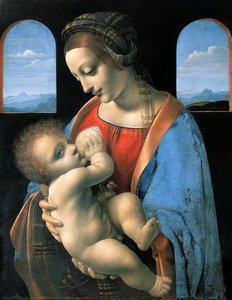
- Madonna Litta, 1490 - Leonardo da Vinci
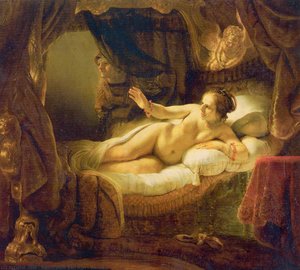
- Flora, 1634 - Rembrandt van Rijn
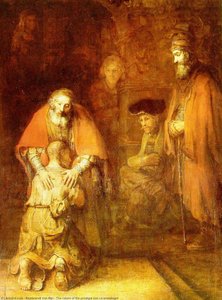
- The return of the prodigal son, 1662 - Rembrandt van Rijn
Classical and Ancient Antiquities
The collection contains significant holdings of Ancient Egyptian antiquities alongside Greek pottery. These ceramic works include artifacts from the Greek cities of the North Pontic Greek colonies. The archaeological record presented here spans from the third millennium to the fifth century BC. These objects provide a direct link to the material culture of the Mediterranean and the Black Sea regions.
Hellenistic sculpture and jewellery are held within the museum's various halls. The Roman presence is represented through marble and bronze sculpture, as well as various forms of applied art. These Roman pieces date from the first century BC to the fourth century AD. The arrangement of these items follows the historical progression of the classical era.
Sculpture and Decorative Arts
The museum holds over 12,000 sculptures, ranging from classical forms to more modern expressions. These works are accompanied by a vast collection of craft, which exceeds 300,000 items. This breadth of material culture includes furniture, jewellery, metalwork, and textiles such as tapestries and costumes. The physical presence of these objects provides a sense of the domestic and ceremonial life of previous eras.
Porcelain is a significant component of the decorative holdings, with more than 20,000 pieces in the collection. These items, alongside various forms of crockery, demonstrate the technical precision required for fine ceramic production. The sheer volume of these objects reflects the extensive acquisitions made over centuries of collecting.
- Madonna Litta, 1490 - Leonardo da Vinci
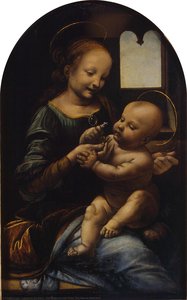
- Madonna with a Flower (Madonna Benois), 1478 - Leonardo da Vinci
Weaponry and Numismatic Collections
The museum holds a significant assembly of military history, containing 15,000 pieces of weaponry and armour. These items span the period from the Middle Ages to the 20th century. The collection provides a physical record of combat technology and protective equipment through several centuries of conflict.
The numismatic holdings are substantial, comprising over 1,000,000 numismatic findings. These objects are held alongside 700,000 archaeological findings that have been recovered from various sites. The sheer volume of these metal and stone artifacts provides a detailed look at historical trade and settlement patterns.
Masterpieces of the Collection
The collection contains significant works from the Italian Renaissance and the Dutch Golden Age. Leonardo da Vinci is represented by the 1490 Madonna Litta and the Madonna with a Flower (Madonna Benois), dated about 1478. These pieces reflect the technical precision and humanist ideals of the era. Nearby, the dramatic use of light and shadow is evident in Caravaggio’s Lute Player, painted in 1596.
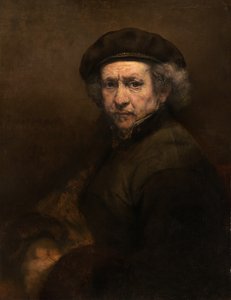
The Dutch masters are heavily represented, particularly through the works of Rembrandt van Rijn. His contributions include The return of the prodigal son (1662), Flora (about 1634), and the Holy Family (1645). These paintings demonstrate a profound psychological depth and a mastery of chiaroscuro, where light is used to sculpt forms from darkness.
- Madonna Litta, 1490 - Leonardo da Vinci
- The return of the prodigal son, 1662 - Rembrandt van Rijn
- Madonna with a Flower (Madonna Benois), about 1478 - Leonardo da Vinci
- Lute Player, 1596 - Caravaggio
- Flora, about 1634 - Rembrandt van Rijn
- Holy Family, 1645 - Rembrandt van Rijn