

A Tapestry of Stone and Spirit: The Majesty of Exeter Cathedral
Rising majestically from the heart of Devon, Exeter Cathedral stands as a breathtaking embodiment of faith, artistry, and human resilience. It is far more than a mere religious edifice; it is a living palimentpsest of English history, where every weathered stone whispers tales of centuries past. The cathedral’s narrative began in 1050, when the seat of the bishopric was strategically moved to Exeter to escape the looming threat of Viking raids, building upon an existing Saxon minster dedicated to Saint Peter. While its foundations are rooted in that ancient era, the structure that captivates the modern eye largely took shape between 1270 and 1400. This period saw medieval craftsmen replace an earlier Norman cathedral with a vision of unparalleled ambition, yet they thoughtfully preserved the imposing Norman towers, creating a striking visual dialogue between architectural eras that anchors the soaring Gothic additions to their rugged origins.
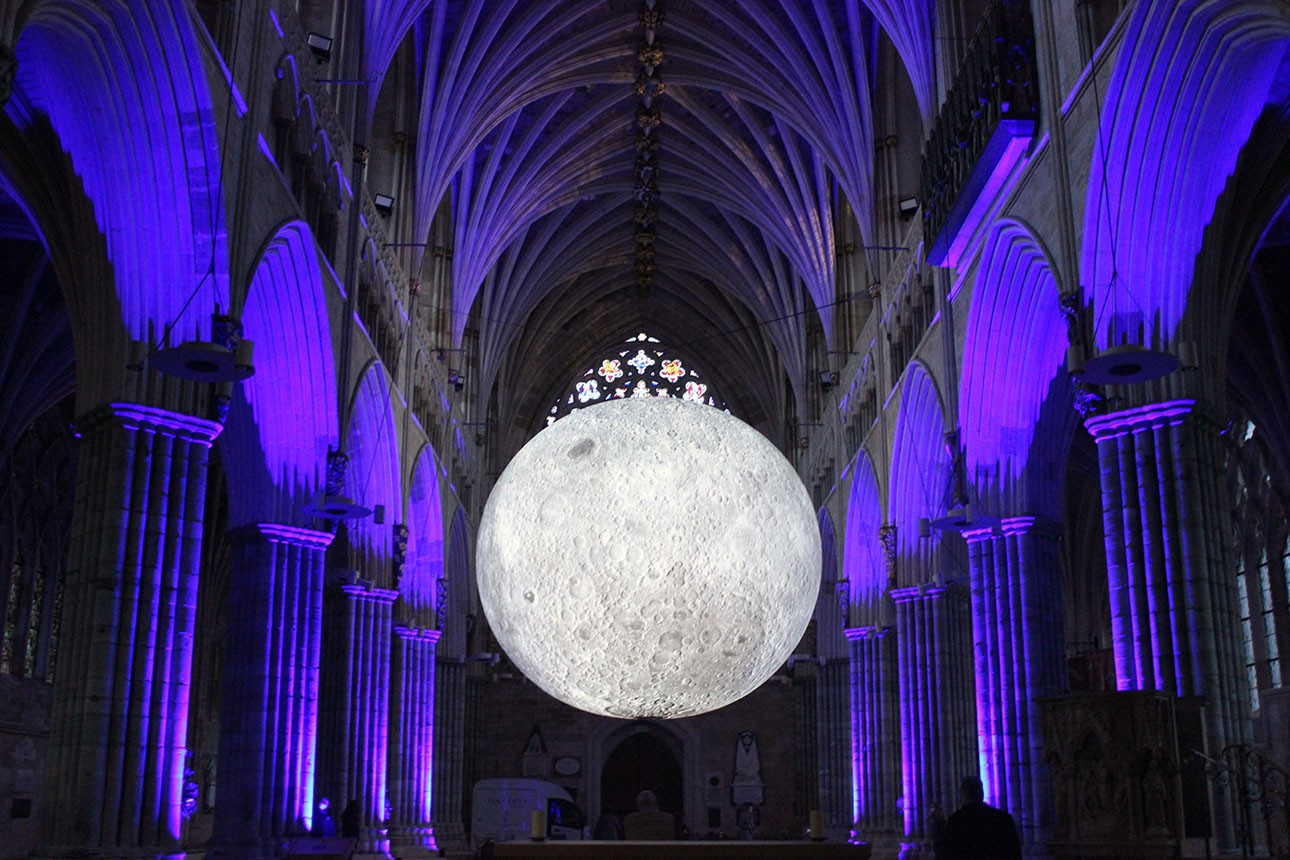
To wander within its walls is to traverse time itself, experiencing the evolution of Gothic design in its most sublime form. The architecture represents a pinnacle of the Decorated Gothic style , where pointed arches soar toward the heavens and intricate carvings adorn every available surface. Light streams through expansive windows, creating an ethereal atmosphere that feels both grounded and divine. Perhaps the cathedral’s most astonishing feat of engineering is its magnificent vaulted ceiling—the longest uninterrupted medieval stone vaulted ceiling in the world. This breathtaking expanse serves as a testament to the ingenuity of medieval builders who pushed the boundaries of architectural possibility, transforming heavy stone into a rhythmic, flowing canopy that guides the eye upward in a continuous motion of grace.
Treasures of the Medieval Soul and Celestial Wonders
Beyond its structural grandeur, the cathedral houses treasures that offer intimate glimpses into the medieval soul. The misericords —small wooden supports beneath the choir stalls—act as miniature galleries of medieval life, featuring exquisitely detailed sculptures that depict Gospel scenes alongside humorous, often ribald, portrayals of daily existence. This blend of the sacred and the profane is mirrored in the cathedral’s astronomical clock. Created by Robert Thornton in 1657, this complex mechanism reflects a medieval understanding of the cosmos, blending scientific inquiry with artistic expression through celestial symbols of the sun, moon, and zodiac.
For those drawn to the written word, the cathedral library safeguards The Exeter Book , one of the most significant collections of Anglo-Saxon poetry in existence, showcasing stunning calligraphy and vibrant illustrations that capture the sophisticated beauty of early medieval art. The history of Exeter Cathedral is also a saga of survival against the ravages of conflict. It endured the profound upheaval of the Dissolution of the Monasteries and the desecration of its cloisters by Parliamentarian forces during the English Civil War. Most tragically, St James’s Chapel was lost to the destruction of the Baedlam Blitz during World War II. Yet, through each period of devastation, the cathedral has demonstrated an extraordinary capacity for renewal, a spirit seen today in contemporary engagements such as The Museum of the Moon exhibition, which brought the wonders of lunar science and art to the cathedral’s doorstep.


