

A Sanctuary of Literary Genius: The Soul of Frankfurt
To step across the threshold of the Frankfurter Goethe-Haus is to transcend the boundaries of time and enter a sanctuary where the pulse of the Enlightenment still beats with palpable intensity. Located along the vibrant Museumsufer, this meticulously restored residence serves as more than a mere museum; it is a breathing biography of Johann Wolfgang von Goethe, the titan of German literature. The architecture itself tells a story of profound resilience, featuring the characteristic half-timbered elegance of Frankfurt’s historic Old Town. Having undergone a painstaking reconstruction following the devastation of World War II, the house stands as an authentic vessel of history, inviting visitors to wander through the very rooms where the foundations of masterpieces like Faust and The Sorrows of Young Werther were laid.
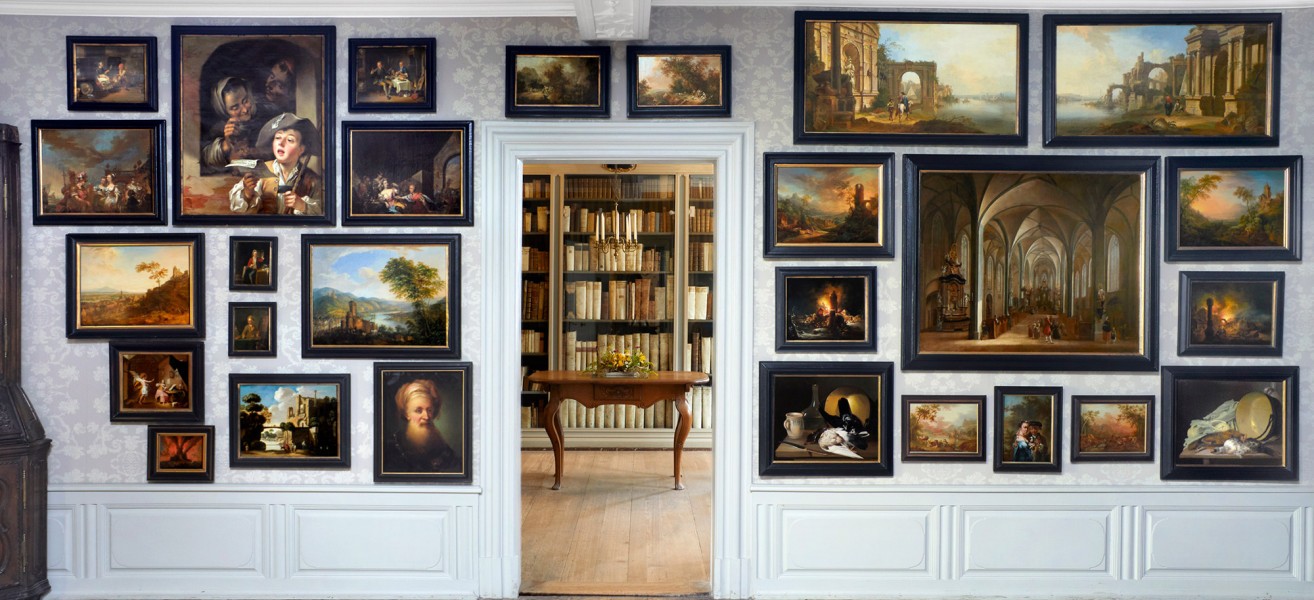
The interior experience is one of intimate discovery, offering a rare glimpse into the domestic atmosphere that nurtured such prodigious intellect. As one moves through the remarkably preserved chambers, the opulent furnishings of the 18th century create an evocative backdrop for contemplating Goethe’s formative years. For the art lover and the historian alike, the museum offers a profound connection to the man behind the myth. The collection is not merely composed of static objects but of echoes of daily life, where personal belongings and period decor allow for a sensory immersion into the social landscape of the era. It is a space where the boundaries between historical fact and biographical legend blur, creating an atmosphere that is both scholarly and deeply emotional.
Beyond the domestic intimacy of the residence, the museum houses treasures that illuminate the evolution of a creative soul. Collectors and scholars find immense value in the display of invaluable literary manuscripts, including raw, early drafts that reveal the meticulous labor behind Goethe’s monumental achievements. These documents are complemented by an extensive archive of personal correspondence, which maps the vibrant intellectual network of the time, connecting Goethe to the most influential thinkers and artists of his age. This web of letters provides a window into the classical influences and philosophical shifts that shaped his worldview, making the museum a cornerstone for understanding the cultural zeitgeist of the late 18th century.
A singular highlight that captivates the imagination is the magnificent astronomical clock, crafted in 1746. This intricate masterpiece transcends mere functionality, serving as a celestial symbol of the scientific advancements and the burgeoning spirit of the Enlightenment. As its rotating rings track the date and time alongside zodiac signs that illustrate the sun’s position, it offers a mesmerizing glimpse into the era's fascination with the cosmos. For interior designers and enthusiasts of historical craftsmanship, such details represent the pinnacle of period artistry. Through its blend of architectural grandeur, scientific wonder, and literary depth, the Goethe-Haus remains an essential destination for anyone seeking to touch the very heart of German cultural heritage.