
A Beacon of Bavarian Faith and Architectural Resilience
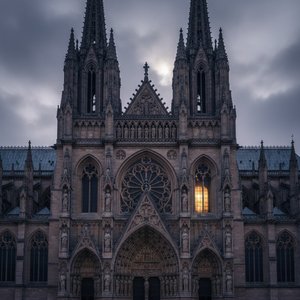
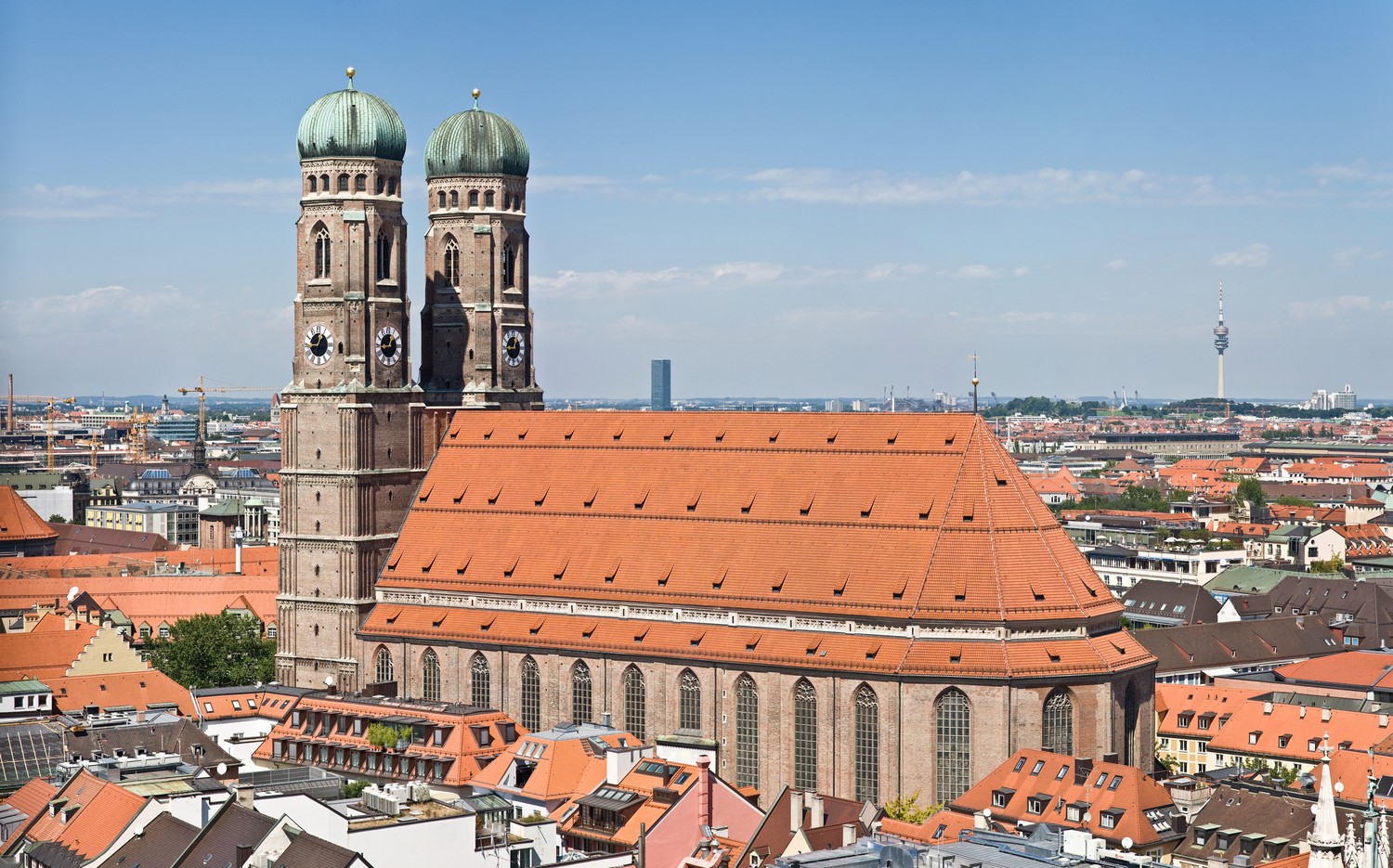
Dominating the Munich skyline with its iconic twin towers, the Frauenkirche stands much more than a mere cathedral; it is a profound testament to the enduring spirit of Bavaria. To gaze upon its silhouette is to witness a narrative etched in brick and stone, a story of architectural ambition that began in 1468 under the visionary Jörg von Halsbach. Replacing an older Romanesque structure, this masterpiece was born from a period of great transition, where the scarcity of traditional stone forced builders to embrace the warmth and texture of brick. This ingenious use of material not only defined its unique aesthetic but also allowed for a rapid construction that reflected the royal ambitions of Duke Sigismund. For the art lover and historian alike, the cathedral serves as a living chronicle of Munich’s evolution, standing resilient through religious upheavals and the devastating scars of wartime bombing to emerge once again as a symbol of reconstruction and hope.
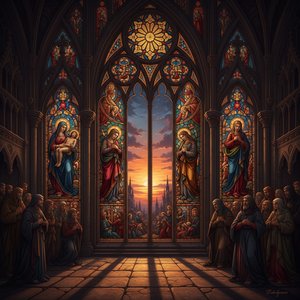
Stepping across its threshold, one is immediately enveloped by the breathtaking grandeur of Gothic engineering. The interior is designed as a magnificent hall church, where the nave and side aisles reach equal heights, creating an expansive, unified space that feels both monumental and intimately connected to the heavens. This architectural harmony allows light to flood the sanctuary, filtered through stained glass windows that cast ethereal, dancing hues across the floor. For those with an eye for design, the interplay of light and shadow within this soaring volume offers a masterclass in how structural innovation can evoke deep emotional responses. The sheer scale of the twin towers, reaching nearly 100 meters into the clouds, provides a dramatic verticality that draws the eye upward, inviting a sense of awe that is central to the Gothic experience.
Treasures of Identity and Legend
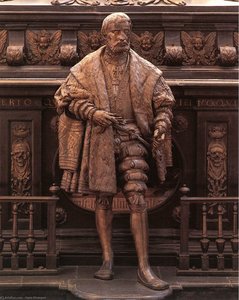
The treasures held within these walls offer a rich tapestry of Bavarian identity and religious symbolism. The cathedral houses the magnificent Wittelsbach Monument , an opulent tribute to the Bavarian royal family that reflects the splendor of the Habsburg era through its intricate artistry. Beneath the feet of every visitor lies the Bishop’s Crypt, a solemn repository for the remains of archbishops and figures who shaped the ecclesiastical landscape of Munich. Yet, amidst this high art, there exists a touch of the mystical; the legend of the Teufelstritt , or the Devil’s Footprint, whispers through the entrance hall, suggesting a wager between the architect and Lucifer himself. This blend of historical gravity, artistic opulence, and local folklore creates a unique atmosphere that captivates collectors of history and admirers of fine art alike, making the Frauenkirche an irreplaceable jewel in Europe's cultural crown.