
A Sanctuary of Marble and Light: The Essence of the Galerie du Grand Trianon
Nestled within the sprawling, verdant estate of Versailles, the Galerie du Grand Trianon stands as a profound testament to the refined tastes and shifting power dynamics of late 17th-century France. More than just a structural marvel, it is a carefully constructed microcosm—a private sanctuary designed for leisure, diplomacy, and the subtle display of royal authority. Originally conceived as a porcelain pavilion, a fleeting fancy of Louis XIV, the Trianon evolved into the magnificent marble structure we see today. It reflects a masterful blend of Italian influences and the King’s own evolving aesthetic preferences, its walls whispering tales of clandestine meetings, lavish entertainments, and the quiet dramas that unfolded behind the gilded façade of Versailles itself.
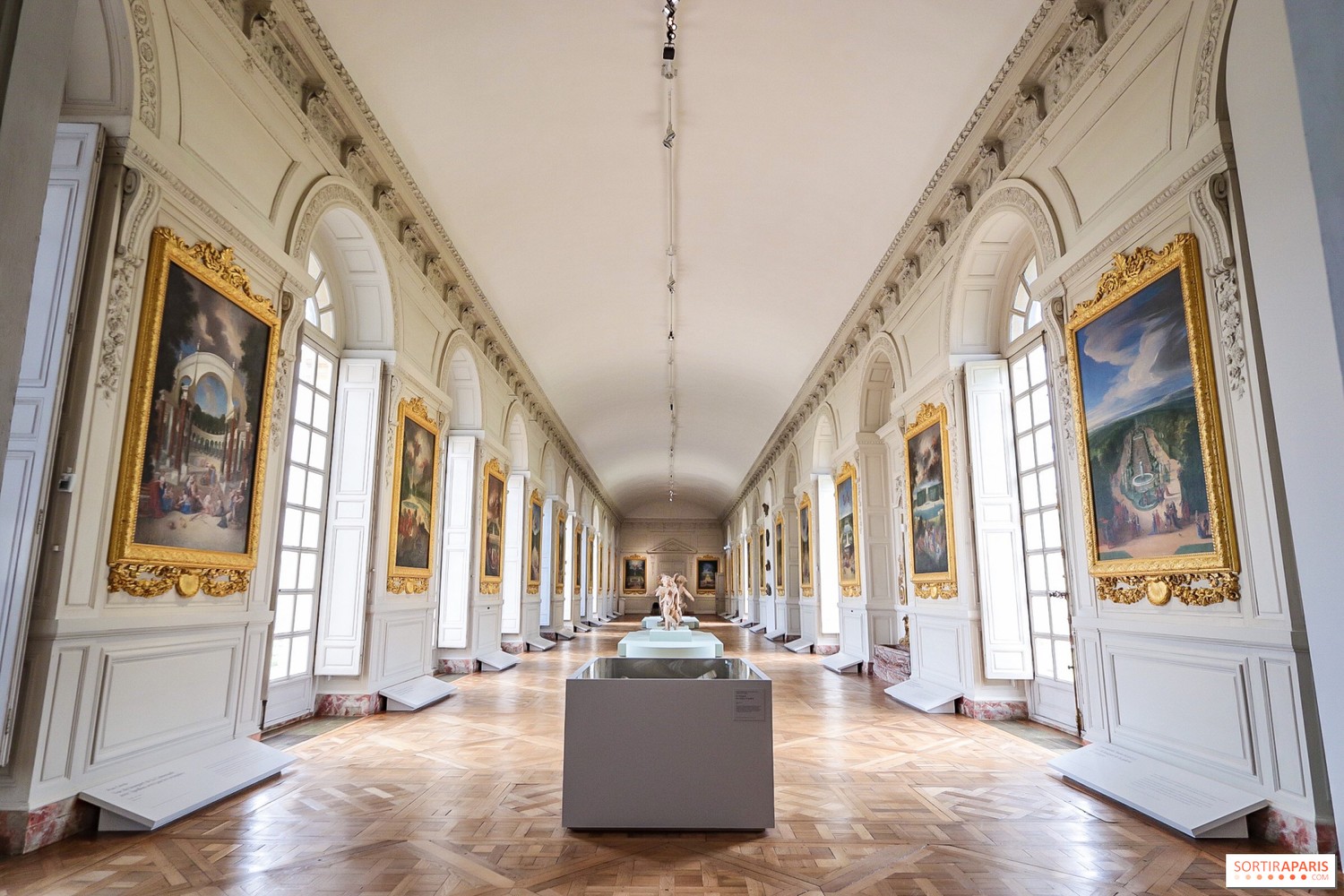
The allure of this architectural jewel lies in its deliberate restraint. Attributed largely to the genius of Jules Hardouin-Mansart , the design prioritizes harmony and proportion over the overwhelming opulence found within the main Palace. The single-story layout, punctuated by graceful colonnades and an open-air gallery, creates a sense of airy spaciousness that invites contemplation. As one wanders through the halls, the interplay of light and shadow becomes a central protagonist, dancing across a material palette designed to convey both prestige and stability. The cool, luminous white marble, quarried in Languedoc, provides a brilliant canvas for the deeper, more dramatic accents of crimson porphyry imported from Spain. This juxtaposition of textures creates an environment that embodies both serenity and grandeur, a visual language emblematic of royal patronage.
Beyond its physical beauty, the history of the Galerie du Grand Trianon is inextricably linked to the lives of France's most influential monarchs. It served as a private retreat for Louis XIV, yet it quickly became a favored haunt for his entire family, offering a respite from the rigid etiquette of the court. Later, Marie Antoinette transformed the space into an even more intimate and personal sanctuary, where she entertained artists and writers, fostering an environment of intellectual curiosity and pastoral escape. Even the shadow of Napoleon Bonaparte touched these halls during his temporary residence, cementing the Trianon's place as a symbol of imperial ambition. This historical layering makes the museum a stage for royal drama, where the boundaries between public duty and private desire were constantly negotiated.
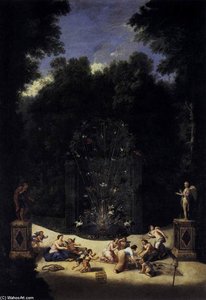
For the contemporary art lover or interior designer, the collection within the Galerie du Grand Trianon offers an unparalleled study in the Baroque era . The curated assemblage of furnishings and decorative arts illuminates a period fascinated by classical ideals and opulent ornamentation. Visitors can encounter exquisite porcelain pieces commemorating the reign of the Sun King, alongside intricately carved furniture that reflects the enduring influence of the Italian Renaissance. Period paintings depicting mythological narratives and lush, pastoral landscapes complete this symphony of decorative arts. To step into the Grand Trianon is to enter a world where architecture, nature, and art converge, offering a timeless inspiration for those who seek beauty in the balance of strength and elegance.