
A Journey Through Six Centuries of Belgian Art
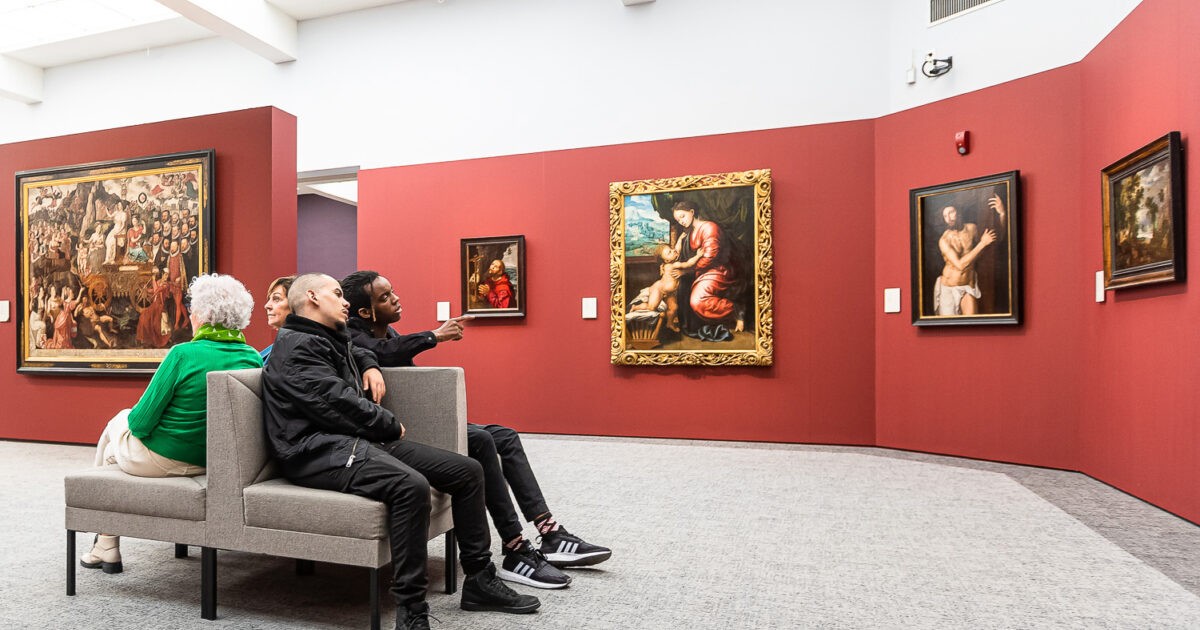
Established in 1930, the Groeninge Museum in Brugge, Belgium, holds a collection that spans six centuries of Flemish and Belgian painting. The works trace a continuous line of visual history, beginning with the precision of the Flemish Primitives and moving through the structured harmony of the Renaissance. As the centuries progress, the collection transitions into the dramatic lighting and movement of the Baroque era. This progression offers a way to observe how artistic vision shifted alongside the changing social fabric of the region.
The holdings extend into the 18th and 19th centuries, encompassing the formal qualities of the neo-classical and realist periods. Beyond these traditional movements, the museum contains significant examples of Belgian symbolism and modernism. The presence of Flemish Expressionism and post-war modern art ensures that the narrative of Belgian creativity remains present through the most recent developments in the twentieth century. Each era is represented by specific canvases that reflect the technical and philosophical shifts of their respective times.
- The Death of the Virgin (c. 1472–1480)
- The Judgment of Cambyses (1498)
- Portrait of a Man (1697)
- Last Judgement (1551)
The Architecture of a Former Monastery
The museum occupies the site of the medieval Eekhout Abbey, a location where the weight of history is felt through the very stones of the structure. The building resides within a remarkably preserved former Augustinian monastery, providing a quiet, contemplative atmosphere that remains even after the 2020 renovation and redesign. This architectural setting provides a physical connection to the religious life that once defined the space.
The original gatehouse, which was once part of the proosdij of Our Lady, marks the entrance to this historical site. Within the grounds, the courtyard retains traces of its monastic origins, offering a sense of the spatial organization used by the monks. The transition from a sanctuary of faith to a public space for art is marked by these enduring structural elements. The stillness of the courtyard allows for a moment of pause before entering the galleries.
The Extraordinary Early Netherlandish Collection
The heart of the museum lies in its extraordinary collection of Early Netherlandish paintings. This period, often referred to as the Flemish Primitives, represents a profound shift in European art through its meticulous detail and the groundbreaking use of oil paint. To stand before these works is to witness an intimate understanding of light and shadow that defines the era. The presence of these canvases creates a quiet dialogue between the viewer and the technical precision of the fifteenth century.
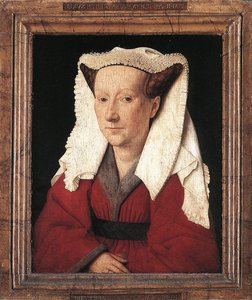
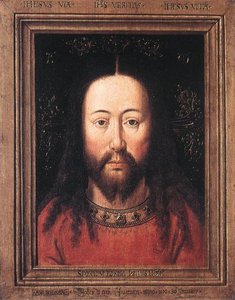
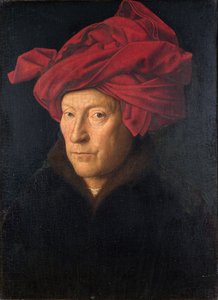
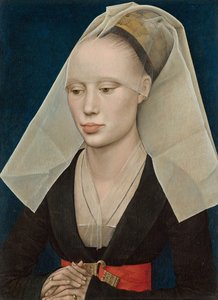
Jan van Eyck and Hans Memling are central to this assembly, their works providing a window into the religious devotion and social standing of the period. The collection also features the expressive compositions of Rogier van der Weyden and the intricate details found in the works of Gerard David. Each piece offers a specific glimpse into the values and beliefs of the time, rendered with an astonishing realism that persists through the centuries.
Beyond the portraits and religious scenes, the museum holds a triptych by Bosch, adding to the depth of the Flemish tradition. The collection remains a significant site for those seeking to observe the evolution of artistic vision through these foundational masters.
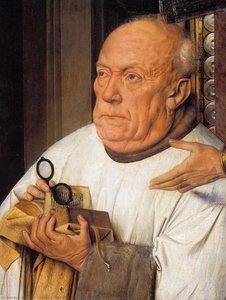
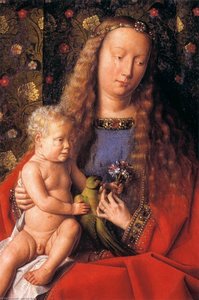
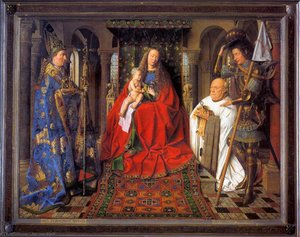
- The Madonna with Canon van der Paele, about 1436 - Jan van Eyck
- The Death of the Virgin, about 1480 - Hugo van der Goes
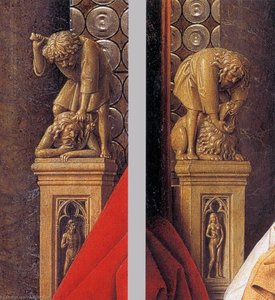
- The Judgment of Cambyses, 1498 - Gerard David
Masterpieces of the Flemish Primitives
The presence of Jan van Eyck’s “Madonna with Canon Van der Paele” (1436) commands the center of the collection. The technical precision in the rendering of the canon’s robes and the subtle play of light across the figures creates a sense of profound realism. Every detail, from the delicate folds of the fabric to the textures of the surroundings, invites a slow, quiet observation of 15th-century Bruges.
Nearby, Hugo van der Goes’ “Death of the Virgin” (about 1472–1480) offers a different emotional weight. The composition captures a moment of intense grief through expressive figures and a dramatic arrangement. It is a work that demands attention through its raw depiction of human experience. The museum also holds the “Triptych of the 'Martyrdom of St. Hippolytus'”, a piece that contributes to the depth of this early period.
The collection extends into the sixteenth century with the “Last Judgment for the Bruges town hall (1525)” by Dirk Bouts. This work remains a significant part of the visual history of the region. The paintings here do not merely represent religious or social themes; they exist as windows into the meticulous craftsmanship of the Flemish tradition.
Visiting the Museum in Bruges
Located at Dijver 12, 8000 Brugge, Belgium, the museum is accessible to those with mobility needs through the use of ramps and elevators. The halls are open from Tuesday to Sunday, between 09:30 and 17:00. While the doors remain closed on Mondays, the institution opens for visitors on public holidays such as Easter Monday and Whit Monday.
A visit typically requires between 60 and 90 minutes to move through the various periods of Flemish and Belgian painting. This duration allows for a steady pace when observing the presence of the works. The museum is situated within a green area by the canals, providing a quiet setting for those walking from the Bruges Train Station.
The collection includes several significant pieces that demand quiet contemplation:
- The Madonna with Canon van der Paele, 1436
- The Death of the Virgin, 1480
- The Judgment of Cambyses, 1498
- Triptych of the Family Moreel, 1484