
A Subterranean Sanctuary
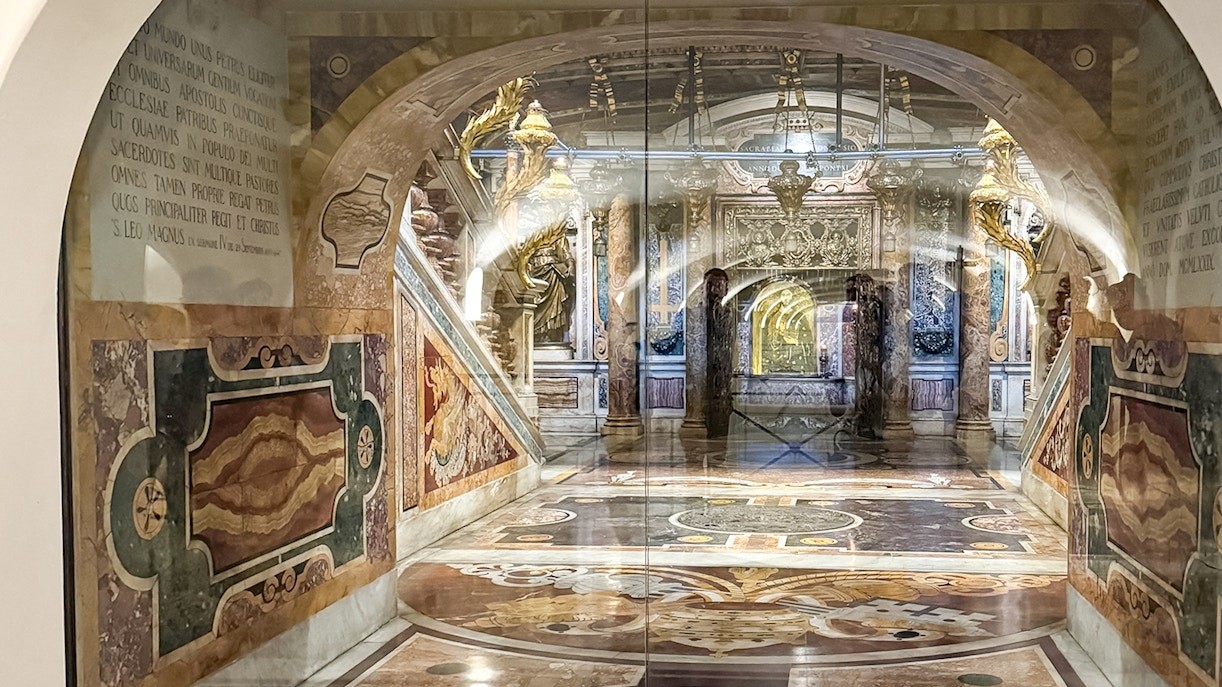
Descending into the heart of St. Peter’s Basilica reveals a space that transcends mere sightseeing. The Vatican Grottoes, nestled beneath the cathedral floor, are a meticulously crafted subterranean pilgrimage route. Initiated in the 16th century amidst the reconstruction of St. Peter’s Basilica, this project evolved over generations under the patronage of successive popes. The result is a space where Roman brick and stone intertwine with the hues of Renaissance and Baroque frescoes, creating an atmosphere where echoes of history resonate in cool, shadowed chambers.
The genesis of the Grottoes lies in a pragmatic solution proposed by Antonio da Sangallo the Younger: structural supports for the burgeoning basilica floor. However, this utilitarian beginning blossomed into something far grander. Popes Clement VIII, Paul V, and Urban VIII recognized the potential to transform this subterranean space into a deliberate sacred area, commissioning chapels dedicated to revered saints and pivotal moments in Church history. This evolution reflects the shifting priorities and artistic sensibilities of each era, resulting in an astonishing diversity of styles.
A Chronological Progression of Art
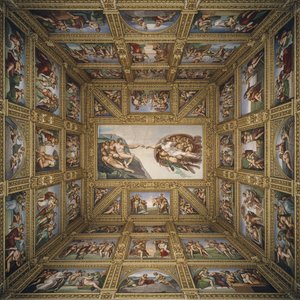
What distinguishes the Vatican Grottoes is their remarkable heterogeneity. Unlike a uniformly styled space, the Grottoes offer a chronological progression through the evolution of art within the Catholic Church. The early Renaissance frescoes, characterized by luminous clarity and idealized depictions of biblical figures, give way to the opulent drama and emotional depth of Baroque painting. Within each chapel, a miniature work unfolds, telling its own story through carefully chosen colors, dynamic compositions, and potent symbolism.
Agostino Ciampelli and Guido Ubaldo Abbatini’s manipulation of light and shadow in the oratories beneath the dome creates a sense of depth and movement, drawing the eye towards the intricate details of their designs. This reflects the Baroque fascination with illusion and theatricality. Notable artistic highlights include:
- The Chapel of St. Peter, which surrounds the tomb of Saint Peter himself.
- The Irish Chapel, featuring intricate mosaics that reflect Irish artistic traditions.
- The Polish Chapel, adorned with frescoes depicting scenes from the life of St. John Paul II.
- The Sancta His Sanctorum, a long corridor leading to the tomb of St. Peter.
The Presence of History and Faith
Beyond aesthetic beauty, the Vatican Grottoes offer a window into the history of the Catholic Church. Each chapel is a repository of prayers, aspirations, and commemorations—a tangible record of centuries of faith. The strategic placement of tombs and chapels reflects the evolving concerns of the papacy throughout time. The addition of chapels dedicated to specific nationalities speaks to the universal reach of Catholicism. The Grottoes are a physical manifestation of the Church’s history, beliefs, and aspirations—a space where pilgrims can connect with the past.
The space contains the tombs of 91 popes. Notable burials include Queen Christina of Sweden and Queen Charlotte of Cyprus. The area closest to Saint Peter's tomb is surrounded by chapels dedicated to Our Lady. The central space resembles a lower basilica with three naves, occupying the space between the current floor of the Basilica and that of the 4th century Constantinian basilica. Within the Clémentine Chapel, behind the altar, lies St. Peter's Tomb, marked by a grill covering white marble.