

A Serene Sanctuary of Indian-Inspired Art
Nestled atop the verdant hills of Tenryu Futamata Town in Hamamatsu, Shizuoka Prefecture, the Hamamatsu City Fuku Akino Art Museum stands as a profound testament to artistic devotion and architectural harmony. This institution is far more than a mere repository for paintings; it is an immersive sanctuary designed to transport the soul into the visionary world of the renowned Japanese painter, Fuku Akino . Her life’s work represents a daring and beautiful fusion, where the delicate aesthetics of traditional Japanese painting meet the vibrant, pulsating spirit of Indian culture. To step into this museum is to embark on a journey that transcends borders, inviting visitors to witness a lifelong dialogue between two great Eastern traditions.
The heart of the museum beats through its breathtaking collection, which comprises an assemblage of over 300 paintings by Akino herself. These works serve as windows into her extensive travels across India, Bangladesh, Nepal, Cambodia, and Africa. Each canvas is a masterclass in color and emotion; one might find themselves lost in the bold, sun-drenched hues reminiscent of the Rajasthani deserts, only to be swept away by the tranquil, ethereal blues that mirror the majesty of Himalayan vistas. Akino’s technique is particularly captivating for the discerning eye, as she skillfully adapted the expressive brushstrokes and layered textures of Sumi-e ink wash painting to capture the grandeur and spiritual weight of the Indian landscape.
In masterpieces such as Rajarani Temple I or her evocative depictions in The Ganges , the viewer encounters a realm where history and atmosphere converge, making the stone monuments of antiquity appear to breathe as living entities. Other notable works like Goddesses (Devatas) offer a celestial encounter, presenting a breathtaking portrait of figures draped in the rich textures of traditional Indian attire, bound together by a shared sense of eternal stillness.
Architectural Harmony and the Tactile Connection
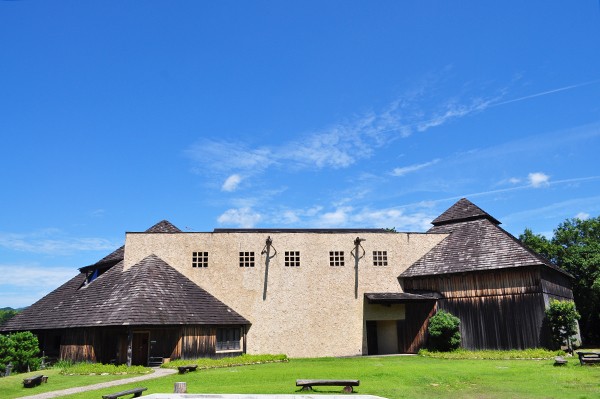
The architectural experience of the museum is as much a part of the art as the paintings themselves. Designed by the celebrated Japanese architect Terunobu Fujimori , the building embodies a philosophy of organic design that honors its surroundings. Its undulating roofline mimics the natural contours of the surrounding hillsides, allowing the structure to blend seamlessly into the landscape rather than imposing itself upon it.
In a groundbreaking move that emphasizes a tactile connection with the earth, Fujimori incorporated a policy encouraging visitors to experience the artwork barefoot . This unique feature fosters a sense of mindfulness and deepens the contemplative atmosphere, stripping away the barriers between the observer, the art, and the natural world. For the interior designer seeking inspiration or the collector searching for depth, the museum offers an encounter with a legacy of transformative power—a place where the boundaries between the earthly and the divine beautifully dissolve.