
The History of The White House
The White House functions as the official residence and workplace of the president of the United States. Since 1800, when John Adams and his wife Abigail moved into the unfinished structure, it has served as the home for every U.S. president. The building's identity has evolved through various designations and conflicts. While the term was used in public records as early as 1811, the name was not formally established by Executive Order until 1901, when Theodore Roosevelt designated it as such.
The history of the site includes significant destruction and reconstruction. During the War of 1812, British forces burned the building on August 24, 1814. This event necessitated a rebuilding of the interior and structure. The residence has remained a central site for executive governance and national leadership through these periods of transformation.
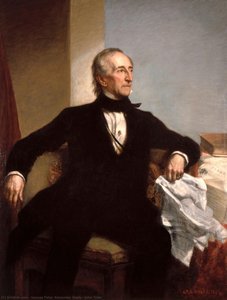
- John Tyler, about 1859 - George Peter Alexander Healy
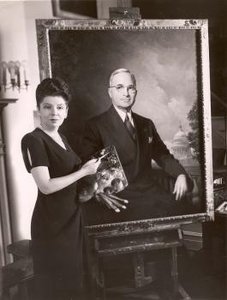
- Elizabeth (Bess) Wallace Truman, 1967 - Martha Greta Kempton
- President George W. Bush, 2011 - John Howard Sanden
The Architecture and Design of the Building
The genesis of the building lies with Irish architect James Hoban, whose design was inspired by Leinster House in Dublin. Construction took place between 1792 and 1800. The exterior walls are composed of Aquia Creek sandstone painted white. This choice of material and color provides the primary aesthetic for the structure.
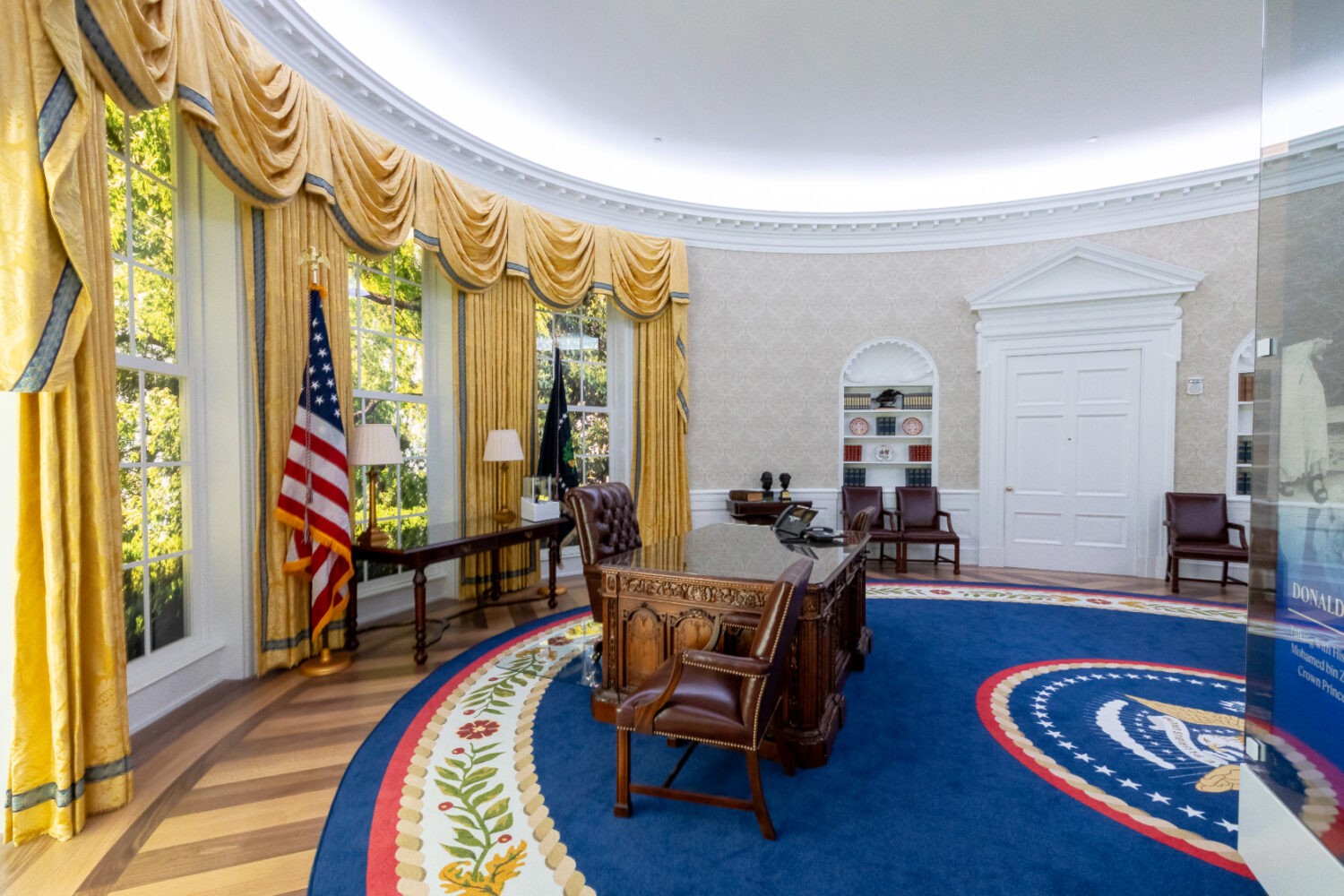
The present-day complex includes the Executive Residence, the West Wing, and the East Wing. The architectural profile of the building evolved through various additions over the decades. During the administration of James Monroe, the South Portico was constructed. Later, in 1829, Andrew Jackson oversaw the addition of the North Portico.
The structural history is marked by significant modifications to accommodate the needs of the executive branch. These changes have resulted in the current layout of the residence and its surrounding wings.
The Presidential Portrait Collection
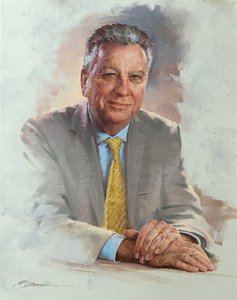
The White House houses a remarkable collection of presidential portraits. These works are designed to capture physical appearance and inner conviction. Each portrait functions as a visual record of leadership, intended to convey the character of those who have held the office. The collection reflects a long-standing tradition of using portraiture to document the executive branch.
The selection includes works from various eras of American history. George Peter Alexander Healy painted a portrait of John Tyler about 1859. Martha Greta Kempton created a portrait of Elizabeth (Bess) Wallace Truman about 1967. More recent additions include a portrait of President George W. Bush, painted by John Howard Sanden about 2011.
The East Room and State Rooms
The East Room is the largest of the State Rooms. Designed by James Hoban and George Washington, the space was intended to function as a Public Audience Room. The first couple to reside in the Executive Mansion, John and Abigail Adams, utilized the room during their tenure. The room has undergone various functional changes over the decades, including the installation of gas lighting in the chandeliers in 1848 under James K. Polk.
The State Floor contains several rooms used for official functions and ceremonies. These spaces reflect the evolving needs of the presidency, from the early use of the East Room for public gatherings to the more formal arrangements required for modern statecraft. The architecture of these rooms maintains the original proportions established during the building's construction and subsequent reconstructions.
Exhibitions and Artistic Heritage
The White House functions as a living museum where current exhibitions often focus on specific presidential administrations. These displays examine the legacies of various leaders through a selection of artifacts and interactive elements. Temporary exhibitions frequently highlight American art and design, offering perspectives on the intersection of politics and aesthetics. These programs examine how artistic choices reflect broader cultural trends and political ideologies.
The collection includes a significant assembly of furniture, textiles, and decorative objects. Many of these items are preserved through meticulous restoration to maintain their historical integrity. Beyond static displays, the building hosts national celebrations and events that integrate the residence into the public life of the nation. The site remains an active space, reinterpreted by each new administration to reflect evolving ideals.
- John Tyler, about 1859 - George Peter Alexander Healy
- Elizabeth (Bess) Wallace Truman, 1967 - Martha Greta Kempton
- President George W. Bush, 2011 - John Howard Sanden