

A Sanctuary of Iberian Splendor
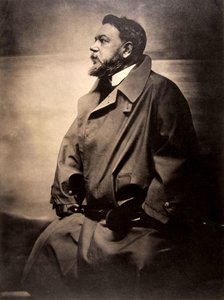
Nestled within the tranquil enclave of Audubon Terrace in New York City’s Washington Heights, the Hispanic Society Museum & Library serves as a breathtaking portal to the soul of the Iberian Peninsula and the vast reaches of Latin America. Founded in 1904 by the visionary philanthropist Archer M. Huntington, this institution was born from a profound desire to elevate the artistic heritage of Spain, Portugal, and their former colonies onto the global stage. What began as a singular man's passion has blossomed into a monumental cultural repository, offering an immersive journey through centuries of human creativity. To step inside is to leave the frenetic energy of Manhattan behind and enter a world where history, art, and literature breathe in unison, creating a sanctuary that feels both like a hidden treasure and a grand, scholarly estate.
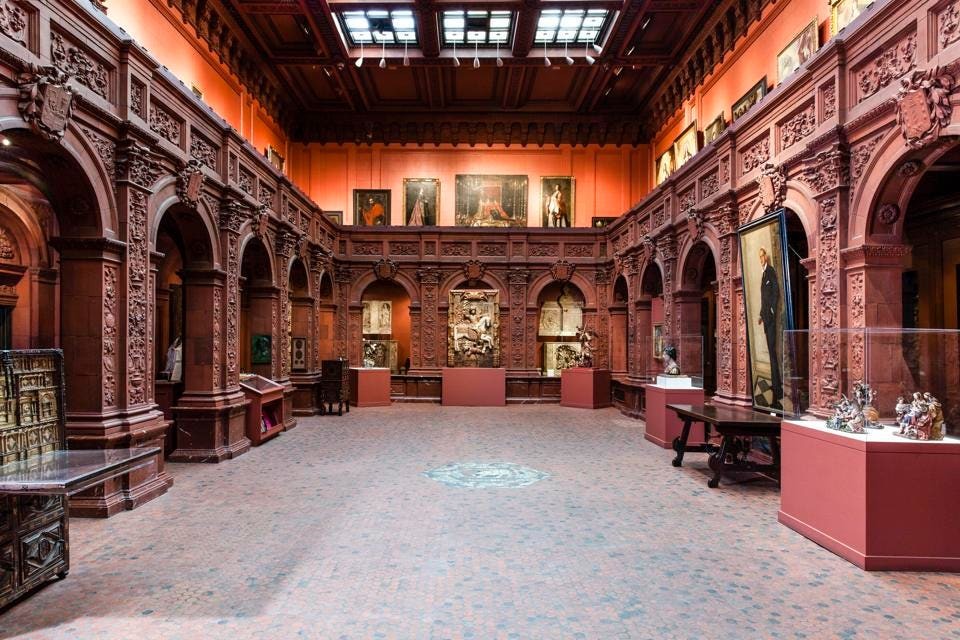
The museum’s physical presence is as much a masterpiece as the canvases it protects. Housed in a magnificent Beaux-Arts structure completed in 1908, the building itself is a triumph of architectural elegance designed by Charles P. Huntington. Its stately facade, characterized by imposing columns and intricate detailing, evokes the grandeur of a European plaza. The complex is further enriched by the sculptural contributions of Anna Hyatt Huntington and Berthold Nebel, whose works grace the exterior and integrate the museum seamlessly into its historic surroundings. For the admirer of classical aesthetics and the interior designer seeking inspiration in timeless proportions, the very walls of the Hispanic Society offer a masterclass in dignified, monumental beauty.
Masterpieces of Light and Shadow
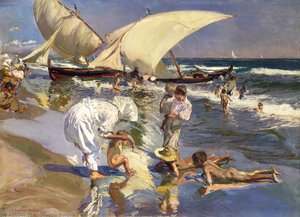
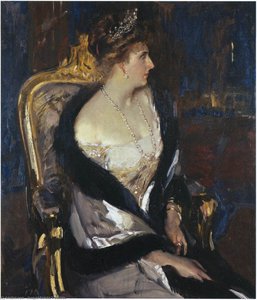
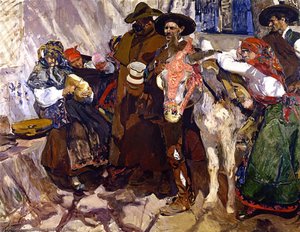
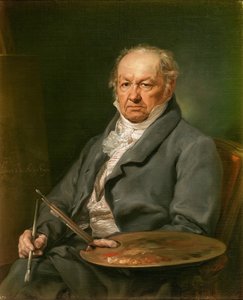
The heart of the collection beats most vibrantly within its galleries, where the heavy weight of history meets the ethereal lightness of artistic genius. Visitors are often moved to silence when encountering the works of Diego Velázquez, whose portraits possess an uncanny ability to capture the psychological depth and living essence of his subjects. Alongside him, the dramatic, often haunting canvases of Francisco Goya provide a visceral window into the tumultuous spirit of Spanish history, utilizing light and shadow to evoke profound emotional responses. The collection reaches a crescendo of sensory delight in The Sorolla Room , a space dedicated entirely to Joaquín Sorolla’s monumental “Vision of Almería” series. Here, fourteen massive paintings envelop the viewer in a dazzling panorama of Mediterranean light, where masterful brushwork and vibrant color palettes celebrate the sun-drenched landscapes of Spain.
Beyond the realm of grand oil paintings, the museum offers a rich tapestry of decorative arts that appeal to the connoisseur of fine craftsmanship. The halls are adorned with exquisite metalwork, delicate ceramics, and intricately textured textiles that speak to the diverse artisanal traditions of Hispanic cultures. These objects, ranging from prehistoric artifacts to 20th-century treasures, provide a tactile connection to the past, illustrating how artistry has been woven into the very fabric of daily life across generations. This breadth of material culture ensures that every corner of the museum offers a new discovery, whether it be the subtle sheen of silver or the intricate patterns of ancient pottery.
A Legacy of Knowledge and Discovery
What truly distinguishes the Hispanic Society from traditional art institutions is its dual identity as a premier research center. The library is a scholar’s paradise, housing an extraordinary collection of over 250,000 books and rare documents that serve as a vital artery for the study of Hispanic history and literature. Among its most precious holdings are first editions of Miguel de Cervantes’s Don Quijote and the incredibly rare Black Book of Hours, treasures that attract academics and bibliophiles from around the world. This commitment to scholarship ensures that the museum is not merely a static display of beauty, but a dynamic engine of intellectual exploration.
Through groundbreaking exhibitions and international collaborations, the Hispanic Society continues to reshape contemporary perceptions of Iberian and Latin American art. It remains a beacon for those who seek more than just a visual experience; it is a destination for those who crave a deeper understanding of the cultural threads that connect continents. For the collector, the historian, or the casual wanderer, the museum stands as an enduring testament to the power of art to preserve identity and foster a universal appreciation for the splendor of the Hispanic world.