
A Residence Preserved in Time
Located at Nieuwe Haven 30 in Dordrecht, Netherlands, Huis Van Gijn remains a preserved fragment of the late nineteenth and early twentieth centuries. The house served as the residence of Simon van Gijn, a banker and collector, until his death in 1922. The interior reflects the period in which he lived, maintaining the arrangement of salons, bedrooms, a kitchen, and a study. The rooms are furnished with the original pieces and objects that Van Gijn himself acquired, creating a setting that reflects the domestic life of a family of standing around 1900.
The architecture underwent significant internal renovation between 1886 and 1889, incorporating modern technical advancements of that era. Today, the house functions as a space where the daily routines of the past are visible through the placement of furniture, porcelain, and personal belongings. The atmosphere is one of stillness, as the house was left to the municipality of Dordrecht to ensure the preservation of its specific historical character.
The Collection of Simon van Gijn
The holdings within the house reflect the specific interests of its former inhabitant. Van Gijn was a collector of diverse objects, ranging from fine textiles to decorative arts. The collection is integrated into the domestic setting, appearing as part of the lived environment rather than as isolated specimens. The following items are held within the house:
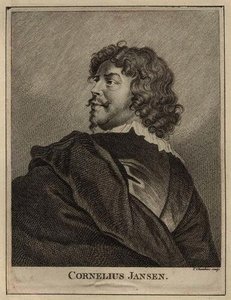
- Portrait of Adriaan van Blijenburgh (1616-1682), 1654 - Cornelis Janssens van Ceulen
- Portrait of Johan Hallincq (1616-1706), 1692 - Godfried Schalcken
- Portrait of Carolina van Beveren (1598-1625), wife of Adriaan van Blijenburg, 1612 - Jan van Ravesteyn
- Portrait of Adriaan van Blijenburg, 1612 - Jan van Ravesteyn
Beyond these portraits, the house contains a collection of ship models and various decorative items including carpets, prints, and porcelain. These objects were selected by Van Gijn and remain in the rooms where they were originally intended to be viewed.
Domestic Life and Accessibility
The museum provides insight into the social structures of the nineteenth century, including the roles of domestic staff and the specifics of period dining. Visitors can observe the details of a household from a century ago, from the arrangement of a table to the items found in the service areas. The house is designed to be accessible, with adaptations for disabled visitors and specific facilities such as adapted toilets. For those visiting, a restaurant is available on the premises, offering tea and lunch in a setting consistent with the house's history.