

Origins and History of the Museum
The Kasama Nichidō Museum of Art opened in 1972. Its establishment was intended to celebrate the 45th anniversary of Galerie Nichidō, the first commercial gallery in Japan to specialize in Western-style painting. The museum was founded by Jin Hasegawa and Rinko Hasegawa on the site of the former Hasegawa Family estate.
Jin Hasegawa established the institution with the specific ideal of bringing outstanding art to a larger audience. This mission remains central to the museum's purpose. The current director, Tokushichi Hasegawa, continues to manage the institution and expand its collection. The museum's presence in Kasama, Ibaraki Prefecture, maintains the legacy of the original gallery and the Hasegawa family's commitment to the arts.
The Museum Facilities and Grounds
The museum is situated on the former Hasegawa Family estate, occupying a site of historical significance in Kasama, Japan. The grounds include an outdoor sculpture garden featuring 19 works by representative Japanese figurative sculptors. Visitors can walk through a bamboo grove to reach the various wings of the institution. The architecture is organized into three exhibition halls, including a Special Exhibits Wing where exhibition rooms occupy the first and second floors.
The third floor contains the 'Café de l'Aube' open-air terrace. This space provides a quiet area for reflection overlooking the surrounding landscape. The layout is designed to facilitate movement between the Japanese and French Wings and the Special Exhibits Wing via a gentle uphill walk.
Access to the site is straightforward from Kasama Station. A bus ride takes approximately five minutes to reach the 'Nichido Bijutsukan Iriguchi' stop. Alternatively, a taxi from the station arrives in about nine minutes. The museum is open from 9:30 to 17:00, though it remains closed on Mondays and during the New Year holidays.
The French and Japanese Collections
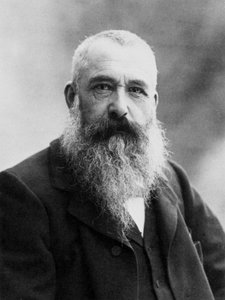
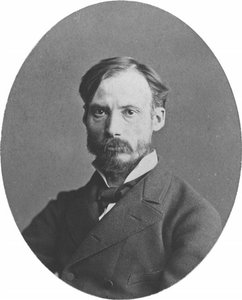
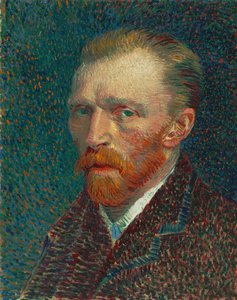
The museum's holdings are organized to reflect the historical influence of Western painting on Japanese art. The France Pavilion is dedicated to French art, housing works by Impressionists such as Claude Monet, Pierre-Auguste Renoir, Edgar Degas, and Georges Seurat. This collection also includes pieces by Vincent van Gogh and Pablo Picasso. These works sit alongside American Pop Art, including works by Andy Warhol, providing a broad perspective on Western movements.
The Japanese Wing focuses on domestic talent and historical memory. It contains the Kanayama Heizo and Satake Toku Memorial Room. The collection features significant Japanese artists, including Ryusei Kishida, Tsuguharu Fujita, and Hiroshi Okutani. These artists represent the evolution of Japanese modern art in dialogue with the international styles found in the French Wing.
- Girl beside a Fountain, 1887 - Pierre-Auguste Renoir
- Vetheuil, Prairie Inondee, 1881 - Claude Monet
- Road at Saint-Remy with Female Figure, A - Vincent van Gogh
Masterpieces and Notable Exhibits
The museum holds a significant collection of works by Japanese masters and emerging artists. This includes paintings by Pierre-Auguste Renoir, such as Girl beside a Fountain, 1887, and Claude Monet, including Vetheuil, Prairie Inondee, 1881. The collection also features Vincent van Gogh, represented by Road at Saint-Remy with Female Figure, A.
A distinctive aspect of the museum is the presence of over 350 palette paintings by old masters. These works are accompanied by a collection of over 200 palettes used by artists. This rare exhibition provides a direct connection to the physical tools of artistic creation.


