
A Sanctuary of Light: The Eternal Majesty of Chartres Cathedral
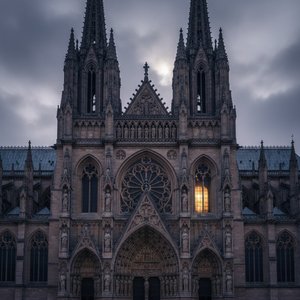
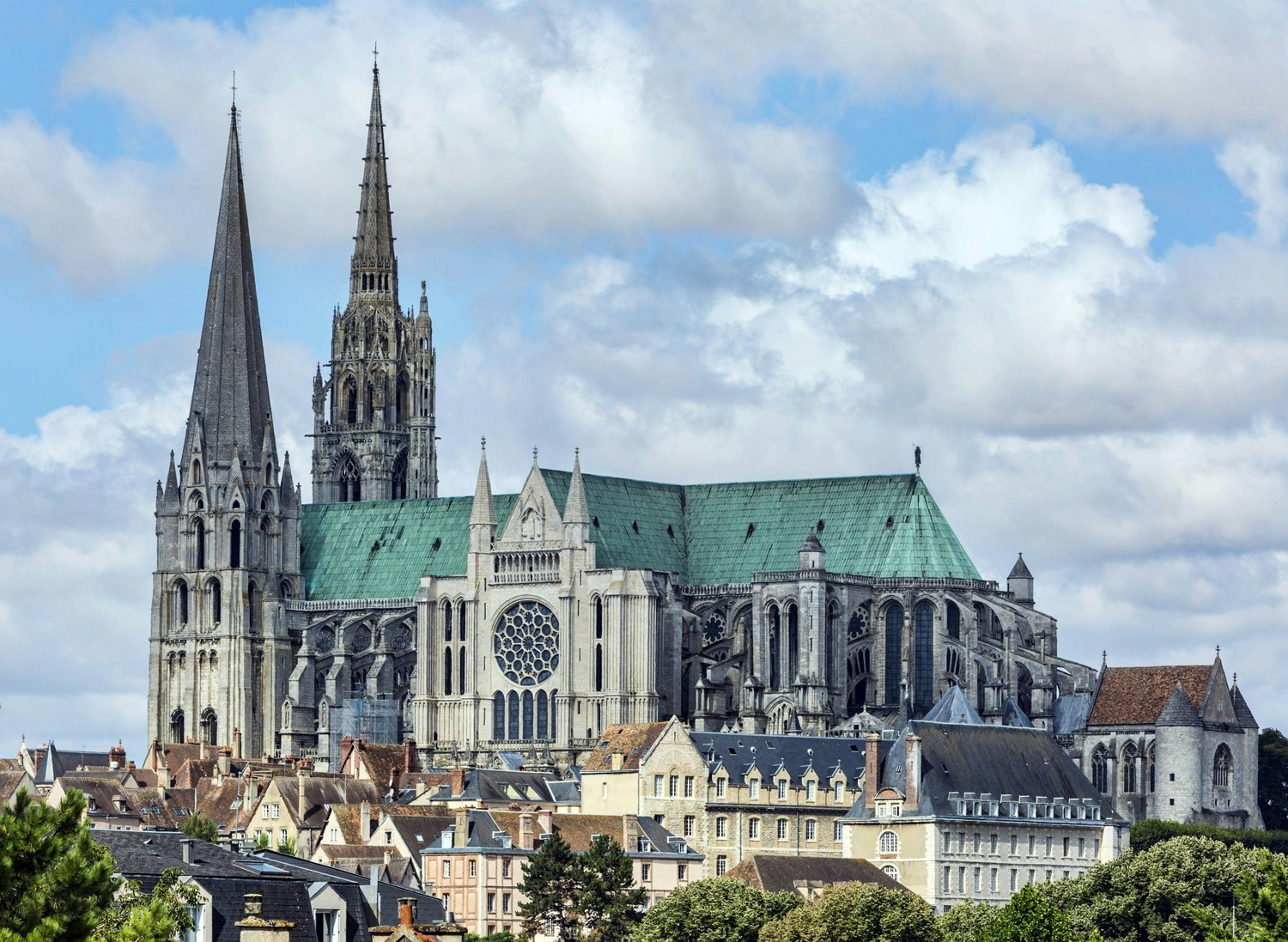
To approach Chartres Cathedral is to be humbled by a sheer scale that transcends the physical, reaching upward with a spiritual ambition that has captivated the human soul for centuries. Standing as a preeminent masterpiece of High Gothic architecture in the heart of France, this sacred monument is far more than a feat of medieval engineering; it is a living testament to the convergence of history, art, and profound belief. While its roots stretch back to the 4th century, the cathedral we venerate today emerged from the transformative ashes of a devastating fire in 1194. This tragedy became a catalyst for an unprecedented era of reconstruction, where the collective faith of a community was rendered into stone and glass, creating a sanctuary that seems to dissolve the boundary between the earthly and the divine.
The architectural brilliance of Chartres lies in its revolutionary use of structural innovation to achieve aesthetic transcendence. The introduction of elegant flying buttresses allowed architects to push the limits of height and light, thinning the walls to accommodate vast expanses of glass that would have been impossible in earlier Romanesque designs. As one walks through the hallowed halls, the gaze is irresistibly drawn toward the soaring vaults, which create a sense of weightless verticality. The West Facade serves as a breathtaking introduction to this sculptural prowess; here, the Royal Portal presents a visual narrative carved in stone, where Christ reigns supreme amidst a celestial assembly of prophets and saints. This intricate program of sculpture does not merely decorate the entrance but acts as a theological gateway, inviting pilgrims into a space where every carving tells a story of divine authority.
The Luminous Legacy of Medieval Artistry
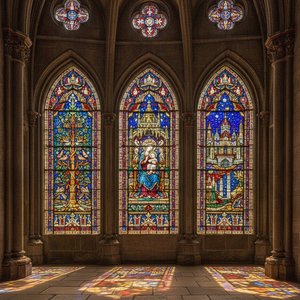
Perhaps the most transcendent element of the cathedral is its legendary stained glass, a kaleidoscope of medieval storytelling that defines the interior atmosphere. The windows, dating primarily from the 13th century, are luminous narratives that bathe the nave in an otherworldly glow. Central to this experience is the famed “Chartres blue,” a unique and ethereal cobalt hue achieved through a lost medieval formulation that seems to emanate light from within itself. These windows served as a "Bible for the illiterate," translating complex theological concepts into vibrant, accessible imagery. From the breathtaking Notre-Dame de la Belle Verrière to the intricate depictions of daily medieval life, the glass transforms the sunlight into a transformative medium, turning the cathedral into a vessel of pure, colored light.
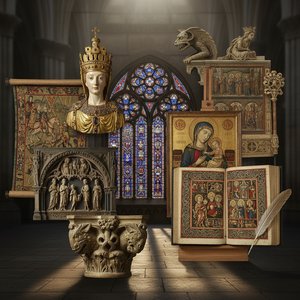
Beyond its soaring spires and luminous windows, Chartres holds deep historical treasures that ground its spiritual heights in tangible reality. The cathedral serves as a guardian of sacred relics, including those believed to be part of the tunic worn by the Virgin Mary, further cementing its status as one of Europe's most significant pilgrimage sites. For the art lover, the collector, or the designer, the cathedral stands not just as a monument of the past, but as a timeless masterpiece of human creativity. Visitors may also encounter:
- The Labyrinth: An inlaid path on the cathedral floor that once offered a physical manifestation of a penitential journey for pilgrims.
- High Gothic Architecture: A preserved example of structural innovation featuring soaring vaults and flying buttresses.
- Sacred Sculptural Programs: Intricate stone carvings on the Royal Portal depicting celestial assemblies.