

The Sorbonne Chapel: A Testament to Faith and Artistic Genius
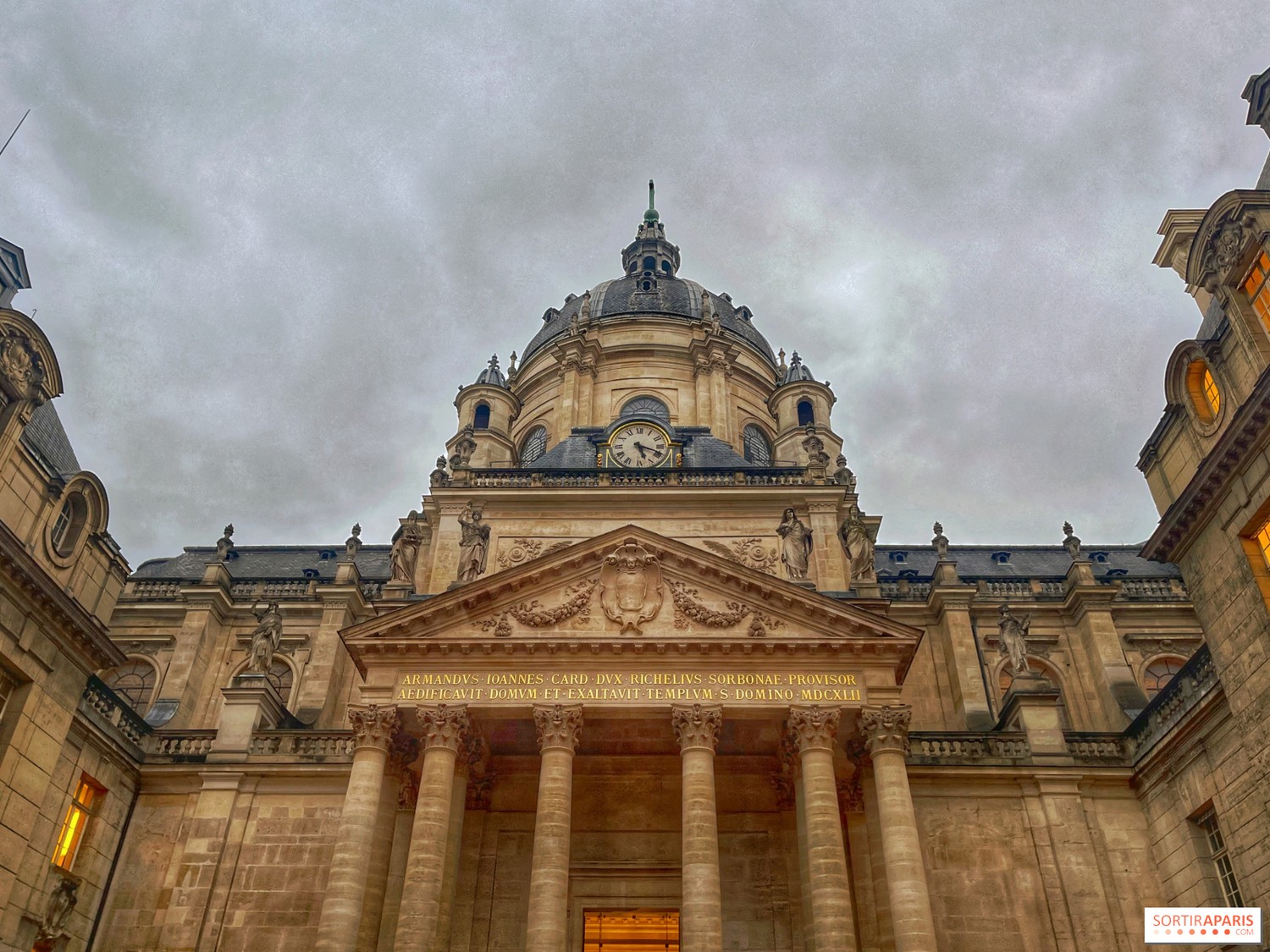
Nestled in the heart of Paris’s Latin Quarter, the Church of Sainte-Ursule de la Sorbonne stands as more than just a religious edifice; it's a living chronicle of French intellectual history and an unparalleled exemplar of Baroque architectural artistry. Commissioned by Cardinal Richelieu in 1626—a figure whose ambition reshaped the nation’s political landscape—the chapel embodies his vision for both spiritual piety and scholarly excellence, reflecting the enduring spirit of Paris.
- Architectural Marvel: Designed by Jacques Lemercier, the chapel’s façade showcases a harmonious blend of Romanesque and Renaissance styles, dominated by Corinthian columns and adorned with intricate sculptural details. Its soaring dome—a pioneering achievement in Parisian architecture—was painted by Philippe de Champaigne, capturing the grandeur of the Baroque era.
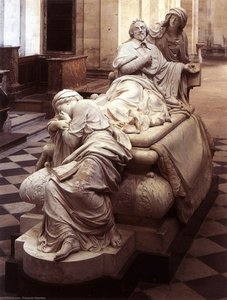
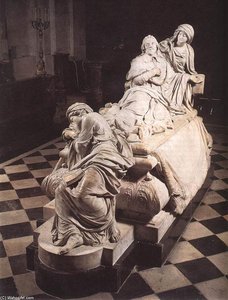
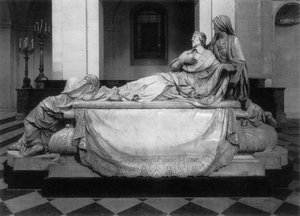
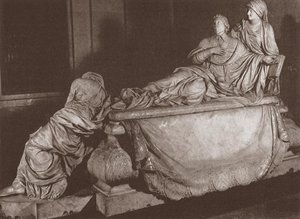
- Richelieu's Legacy: At its core lies Cardinal Richelieu’s tomb, sculpted by François Girardon, a masterpiece that portrays him not as a stern statesman but as a man imbued with dignity and contemplation. Surrounding him are allegorical figures symbolizing Piety and Science—a deliberate statement of Richelieu’s commitment to reconciling faith and reason.
- Artistic Treasures: The chapel houses an impressive collection of religious paintings and sculptures, reflecting the artistic styles prevalent during its construction and subsequent embellishments. Among these stand out eight windows in the dome, illuminated by stained glass depicting Saint Jerome, Saint Ambrose, Saint Leo, and Saint Augustine—a testament to the chapel’s spiritual significance.
- Historical Significance: From its inception as a theological college to its tumultuous experience during the French Revolution and subsequent restoration, the Sorbonne Chapel has witnessed centuries of transformative change. Its survival symbolizes France's ability to confront its past with grace and understanding.
The chapel’s reopening in 2025 promises not only to restore a magnificent landmark but also to rekindle a dialogue about faith, history, and the enduring power of art—a truly unforgettable encounter for visitors drawn to Paris's cultural heritage.
Exploring Parisian Art History: The Sorbonne Collection
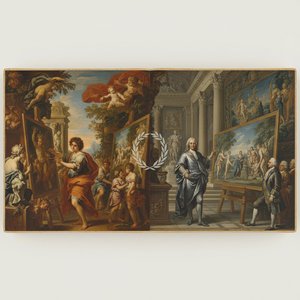
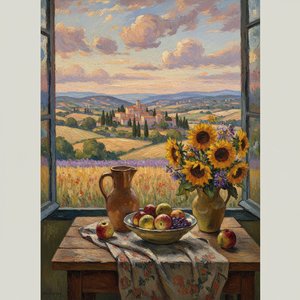
The Church’s collection showcases masterpieces from various artistic movements, including Impressionism and Baroque. Visitors can admire artworks by renowned artists like Gustave Loiseau and Laurent Ridel, capturing the vibrant atmosphere of 19th-century Paris.
A Unique Destination for Art Enthusiasts
Located amidst the Latin Quarter’s historic bookstores and lively cafes, the Sorbonne Chapel offers a serene respite from urban bustle—a space where scholars, students, art lovers, and curious travelers converge, united by an appreciation for beauty and intellectual pursuit. Its architectural splendor and artistic treasures make it a must-visit destination for anyone exploring Paris.
Notable Exhibitions & Ongoing Restoration
Recent exhibitions have focused on the chapel’s role in shaping Parisian artistic identity, highlighting its influence on subsequent generations of artists. Currently undergoing meticulous restoration—supported by organizations like the World Monuments Fund—the Sorbonne Chapel ensures that its legacy will continue to inspire awe and contemplation for years to come.
Architectural Details & Symbolism
The chapel’s dome is a remarkable feat of engineering, demonstrating Lemercier's mastery of classical architectural principles. Its frescoes depict biblical scenes with meticulous detail—a testament to the artistic skill of Philippe de Champaigne and his collaborators. Furthermore, the chapel’s interior incorporates symbolic elements reflecting Christian faith and humanist ideals.