Convent of San Francesco

Quick Facts

  • Mediums: fresco
  • Location: Assisi, Italy
  • Historical periods: late medieval
  • Works on APS: 1
  • Featured artists: Giotto di Bondone

Art Quiz

There is only one correct answer for each question.

Question 1:
The Convent of San Francesco was built on a site that was once known as what?
Question 2:
Construction of the Basilica commenced shortly after which event?
Question 3:
What two architectural styles are masterfully blended in the Basilica of Saint Francis?
Question 4:
Which artist's frescoes are considered the artistic heart of the Convent?
Question 5:
What is a key characteristic of Giotto's frescoes that was groundbreaking for his time?
Question 6:
In what year was the Basilica and surrounding areas designated as a UNESCO World Heritage site?
Question 7:
What is housed beneath both the Upper and Lower Churches?
Question 8:
What is the F.M. Perkins Collection known for?
Question 9:
The text describes the Convent as transforming from what to what?
Question 10:
What does the text highlight about Giotto’s use of light and shadow?

A Sanctuary Forged in Stone and Light: The Convent of San Francesco

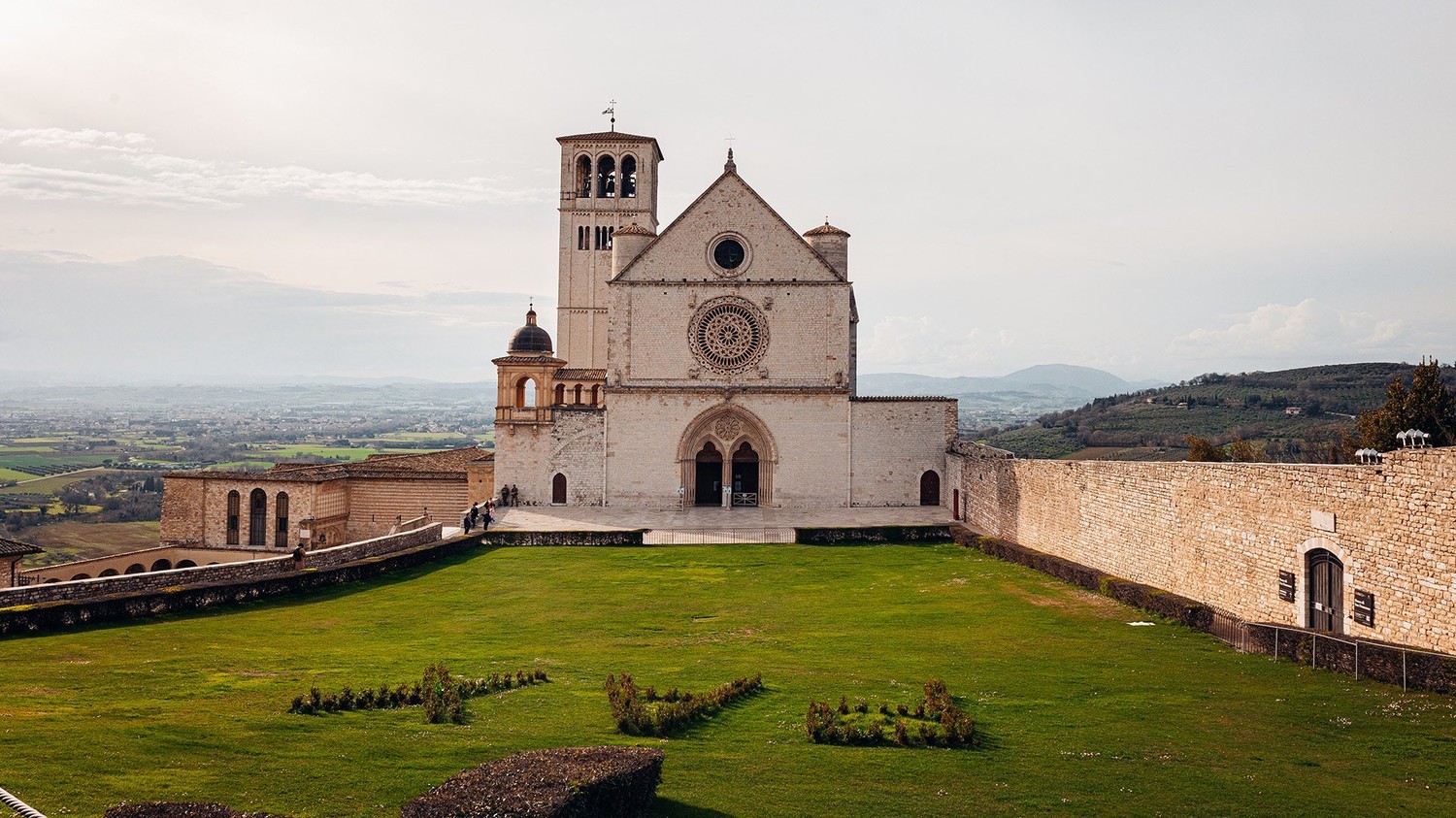
Rising from the gentle Umbrian hills like a dream given form, the Convent of San Francesco in Assisi is more than just a repository of artistic masterpieces; it’s a living embodiment of faith, history, and the enduring power of human creativity. Once known as the “Hill of Hell,” this landscape was transformed into the “Hill of Paradise” through the spiritual legacy of Saint Francis, whose life and teachings continue to resonate within these ancient walls. Construction began shortly after his canonization in 1228, a fervent desire to create a fitting memorial to a man who redefined spirituality for an age. The Basilica, encompassing both the Upper and Lower Churches, wasn’t conceived as merely a building, but as a sacred narrative rendered in stone, fresco, and light—a testament to devotion that has drawn pilgrims for centuries.

Architectural Harmony: A Journey Through Time

A journey through the Convent is akin to traversing architectural history itself. The Basilica of Saint Francis masterfully blends the robust solidity of Romanesque design with the soaring grace of Gothic elements, subtly yielding over time to Renaissance influences. This isn’t a jarring juxtaposition but rather a harmonious evolution, reflecting the changing artistic sensibilities of each era while maintaining a unified spiritual purpose. The two-tiered structure—the Lower Church (Basilica Inferiore) and the Upper Church (Basilica Superiore)—offers distinct experiences. The Lower Church, with its grounded Romanesque character, invites contemplation in an intimate space. Ascending to the Upper Church is akin to entering another realm; bathed in light streaming through stained-glass windows, it’s here that Giotto's breathtaking frescoes truly come alive, transforming the stone walls into vibrant scenes of devotion and human emotion. Beneath both churches lies the crypt, a hushed sanctuary housing the remains of Saint Francis—the heart of this pilgrimage site and the source of its profound spiritual energy.

Giotto’s Vision: A Renaissance Dawning

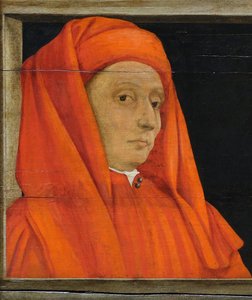
The artistic soul of the Convent undoubtedly beats with the vibrant pulse of Giotto di Bondone's frescoes. These aren’t simply paintings; they are revolutionary works that bridged the gap between medieval iconography and the burgeoning naturalism of the Renaissance. Giotto’s ability to imbue his figures with emotion, to depict scenes from the life of Saint Francis with such tenderness and humanity, was groundbreaking for its time. Masterpieces like “Nativity,” a poignant depiction of the birth of Christ, demonstrate his mastery of light and shadow, sculpting form and capturing fleeting expressions on faces. His compositions guide the eye, drawing viewers into a deeply personal encounter with the sacred narrative. These techniques would profoundly influence generations of artists to come, marking Giotto as a pivotal figure in the evolution of Western art. The F.M. Perkins Collection further enriches this artistic tapestry, offering a diverse range of religious art assembled with discerning taste by American art critic Frederick Mason Perkins, adding layers of historical and devotional context to the Basilica’s already rich collection.

A Legacy Preserved: Pilgrimage and UNESCO Recognition

Since its inception, the Convent of San Francesco has remained a vital center for Christian pilgrimage, drawing visitors from across the globe seeking spiritual solace and artistic inspiration. Its unique atmosphere—a palpable sense of peace and reverence—is inextricably linked to Saint Francis’s life and message of humility, compassion, and love for all creation. This enduring significance was formally recognized in 2000 when UNESCO designated the Basilica and surrounding areas as a World Heritage site, acknowledging its exceptional cultural and historical importance. Beyond the celebrated frescoes and architectural grandeur, the Convent also houses a rich collection of medieval art—paintings, sculptures, and liturgical objects that offer glimpses into the devotional practices and artistic traditions of centuries past. The sacred relics held within further deepen the connection to Christian history, providing tangible links to figures central to the faith. A visit to Assisi’s Convent of San Francesco is an immersive experience—a chance not just to admire art but to connect with a profound spiritual legacy and witness the enduring power of human creativity. It's a place where history whispers, beauty captivates, and the spirit soars.
© 2026 mus3ums.com