
The Quiet Presence of the Kovalenko Collection
Located at the intersection of Krasnaya and Grafskaya streets in Krasnodar, Russia, this institution holds a significant assembly of Russian painting and historical artifacts. The collection began through the personal efforts of Fyodor Akimovich Kovalenko, who moved to Yekaterinodar in 1881. What started as a gathering of engravings and books evolved into a substantial repository of art. The building itself, a mansion constructed by engineer Batyrbek Shardanov, provides a serene setting for these works. The atmosphere within the walls encourages a slow, contemplative engagement with the past.
The holdings reflect a deep connection to the history of the Caucasus region. The museum contains a variety of media, from 18th-century crystal glassware to 19th-century porcelain dishes. The presence of Old Russian icon painting offers a spiritual dimension to the space, grounding the viewer in the religious traditions of the region. These objects are not merely displays; they are remnants of a specific era of Southern Russian life.
Artistic Anchors and Visual Narratives
The collection contains works spanning several eras, from 19th-century naturalism to the experimental movements of the early 20th century. The museum's catalog includes these specific pieces:
- Forest, 1900 - Ivan Shishkin
- The sun in the forest, 1895 - Ivan Shishkin
- Composition with Cards, 1915 - Olga Rozanova
- Room, 1915 - Olga Rozanova
- The Matchmakers - Mykola Pymonenko
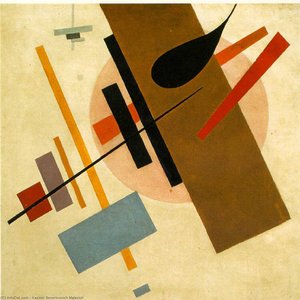
- Suprematism, 1917 - Kazimir Malevich
Ivan Shishkin’s paintings focus on the physical presence of the woods, capturing the specific play of light through trees. This naturalism finds a sharp contrast in the works of Olga Rozanova and Kazimir Malevich. Their pieces from 1915 and 1917 represent a shift toward the abstract and the experimental. The collection places these different approaches in direct proximity, allowing the quietude of the forest to meet the structured language of the avant-garde.
A Legacy of Preservation
The history of the site is tied to the evolution of Krasnodar itself. The collection has moved through different spaces, from the City Hall to the building of the Yekaterinodar State Bank, before finding its place in the Shardanov mansion. This movement reflects the changing social landscape of the city. The museum remains a repository for the artistic legacy of the region, preserving the works of painters like I. Repin and V. Polenov, who contributed to the growth of the collection. To stand before these canvases is to encounter the continuity of Russian artistic expression.