

Origins and History of LaM
The history of LaM (Lille Métropole musée d'art moderne, d'art contemporain et d'art brut) begins with the vision of Roger Dutilleul. A passionate collector active from the beginning of the 20th century, Dutilleul was among the first to acquire works by significant modern painters. His collection was later inherited by his nephew, Jean Masurel, in 1956. This inheritance included a large portion of the original holdings, which eventually formed the basis for a public institution.
The museum was established in 1983. Its foundation was made possible through the generosity of Geneviève and Jean Masurel, who sought to return the collection to the public. To accommodate the scale of the Masurel collection, the institution was built in Villeneuve-d'Ascq, France. The site was designed to provide a permanent home for these works, transitioning them from a private legacy into a public cultural resource.
The Building and its Architecture
The museum occupies a total surface area of 11,000 m2, situated within the Parc urbain de Villeneuve-d'Ascq. The original structure was designed by the architect Roland Simounet. This primary building was conceived to house the initial collections in a space that facilitates an intimate encounter between the visitor and the work. The exhibition surface area comprises 4,000 m2.
Following a European competition for the restructuring and extension of the site, Manuelle Gautrand was selected as the architect. Her design approach for the extension was intended to embrace the original museum. The new architecture follows the slope of the terrain, with the extension appearing like five fingers adjusted to a slope. This structural addition integrates the museum into its natural surroundings while providing necessary space for the Art brut collection.
Major Collections and Art Movements
The institution holds a distinct position in Europe as the only museum to present the primary components of 20th and 21st-century art simultaneously. The collections are organized around three central pillars: Modern Art, Contemporary Art, and Art Brut. This arrangement allows for a direct examination of the stylistic shifts that defined the last century and continue into the present era.
The museum houses the largest collection of Art Brut in France. This specific department contains 3,500 works produced by both French and foreign artists. These works represent a significant body of self-taught expression, providing a counterpoint to the established movements found elsewhere in the galleries. The breadth of the collection covers the evolution of modernism, including the developments of Fauvism, Cubism, Surrealism, and the School of Paris.
The permanent collection includes several significant works that illustrate these movements:
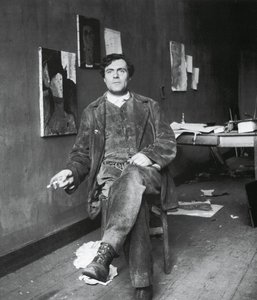
- Nu assis à la chemise, about 1907 - Amedeo Modigliani
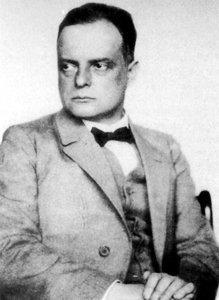
- Sunken Island, 1923 - Paul Klee
- Nude on a Divan, 1912 - Albert Marquet
Major Acquisitions and Donations
The foundation of the museum's holdings rests upon the significant contributions of Jean Masurel and his wife, Geneviève. In 1979, the couple donated 186 works to the institution. This was followed by a second donation of 36 works in 1986. These acquisitions provided the essential core for the permanent collection, establishing a presence for modern art in the region.
A major turning point for the institution occurred in 1999 with the arrival of the Aracine Art Brut collection. This donation significantly expanded the museum's scope, allowing it to hold one of the most important collections of outsider art in Europe. The inclusion of these works established the museum as a site for both established modern movements and the raw expression of self-taught artists.
The current collection is composed of diverse media, including approximately 1,000 sculptures and 4,500 drawings and prints. These objects represent a broad spectrum of artistic development from the twentieth and twenty-first centuries. The breadth of these holdings allows for a continuous study of stylistic evolution across different eras and genres.