

The Quiet Presence of the Library-museum
Located in Paris, France, the Library-museum of the Comédie-Française exists as a repository for the history of the stage. It is a place where the ephemeral nature of performance meets the permanence of the archive. Within its walls, the legacy of the oldest active theatre company in the world finds its physical form. The collection is not a collection of grand spectacles, but rather a gathering of intimate traces left by those who have inhabited the stage.
The atmosphere is one of scholarly stillness. It holds the weight of centuries of dramatic tradition, preserved through portraits and documents. To stand before these works is to encounter the faces of the actors who once defined the French theatrical tradition. There is a specific gravity to these objects, which exist as silent witnesses to the spoken word.
The Faces of the Stage
The collection is anchored by a series of portraits that capture the likenesses of significant figures from the theatre. These works offer a glimpse into the social and artistic hierarchies of past eras. The presence of Adèle Romany is felt through several works, including her depictions of Mlle Raucourt as Agrippine, Baptiste cadet, Portrait of Emilie Leverd, Portrait of Fleury, Mlle Bourgoin, and Dazincourt as Crispin. These paintings provide a visual record of the performers who shaped the company's history.
Other notable works include:
- Portrait of Beaumarchais, 1755 - Jean-Marc Nattier
- Portrait of Mademoiselle Dumesnil, 1754 - Donat Nonnotte
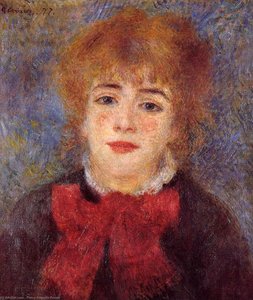
- Jeanne Samary, 1877 - Pierre-Auguste Renoir
A Record of Performance
The works held here are more than mere likenesses; they are studies in character and status. The brushwork of Jean-Marc Nattier or Pierre-Auguste Renoir captures a specific moment in the life of a performer, frozen in oil. These pieces belong to a lineage of art that seeks to document the human presence within the theatrical space. The collection remains a vital link to the history of the Comédie-Française, preserving the visual identity of its most significant members.